
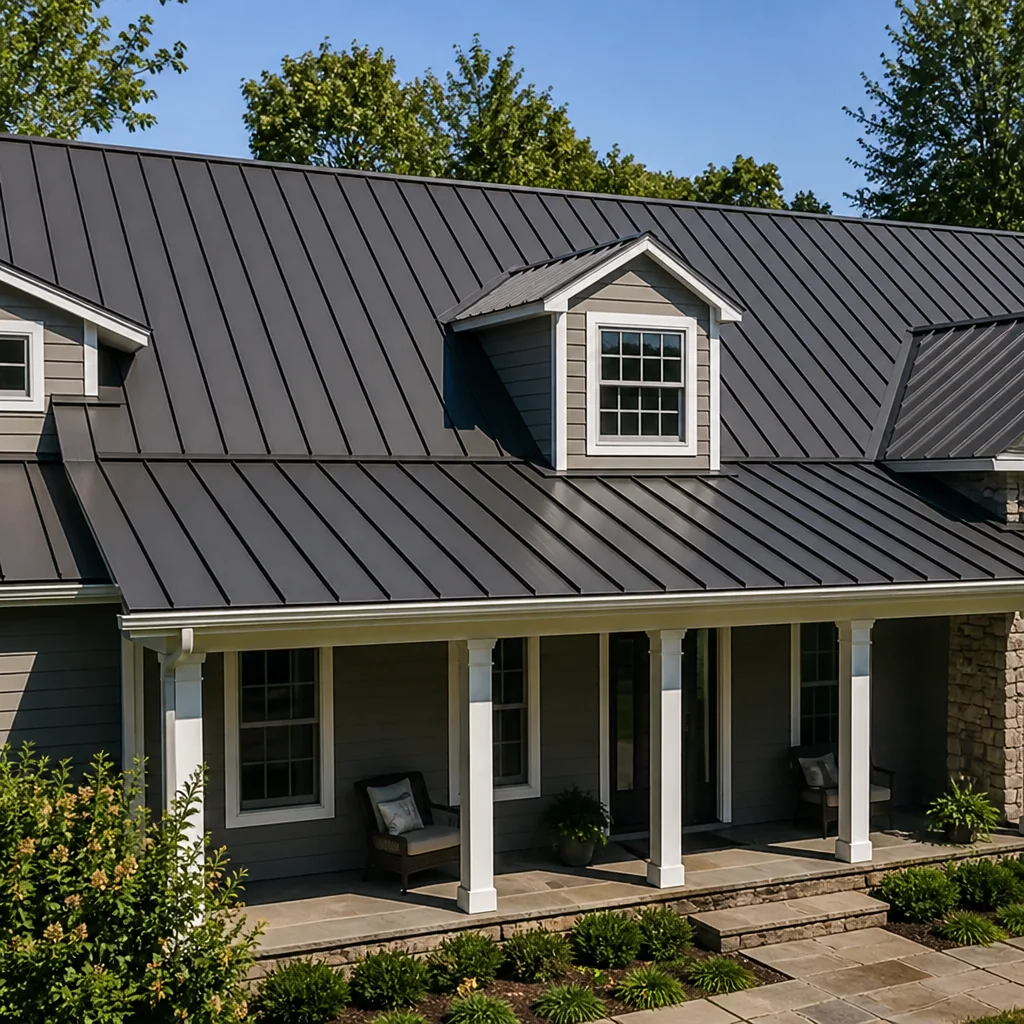
 Metal roofing
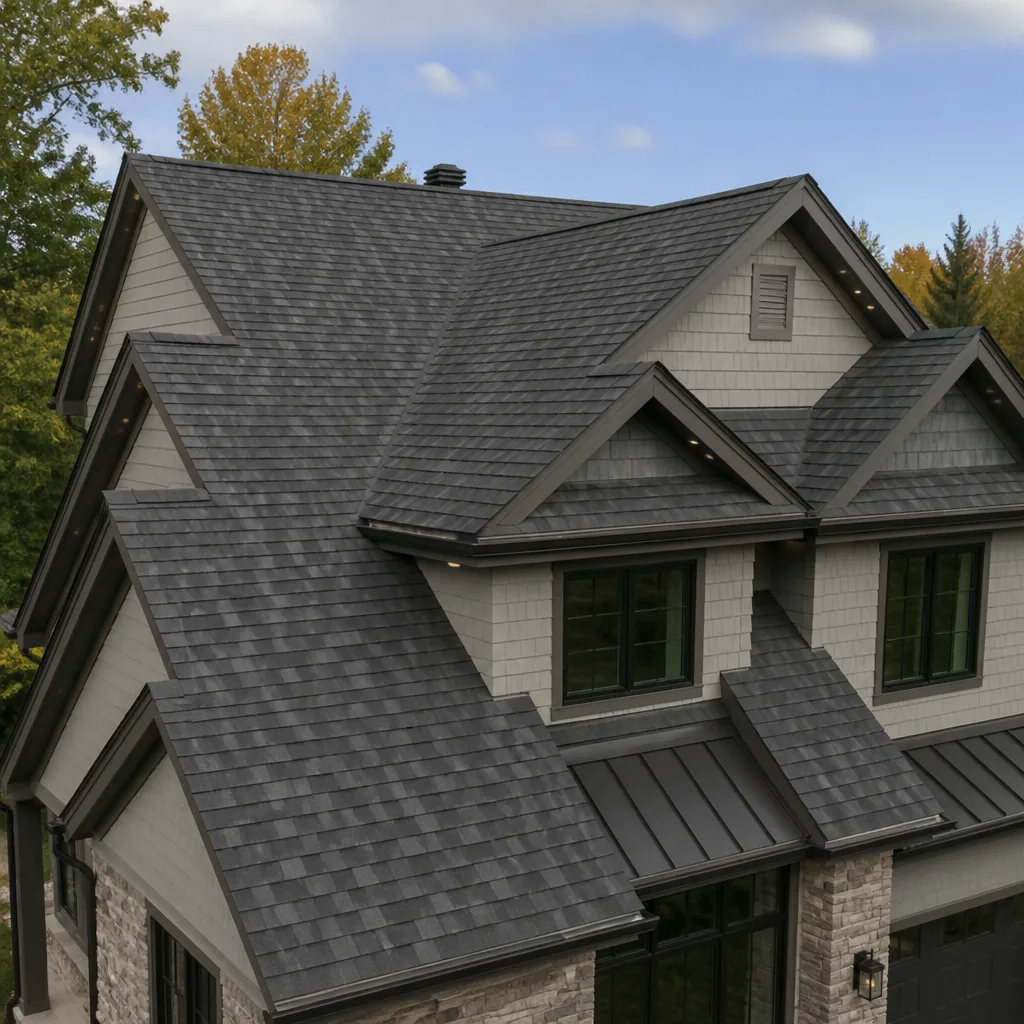 Architectural shingles
 Tile roofing
 GAF
GAF Owens Corning
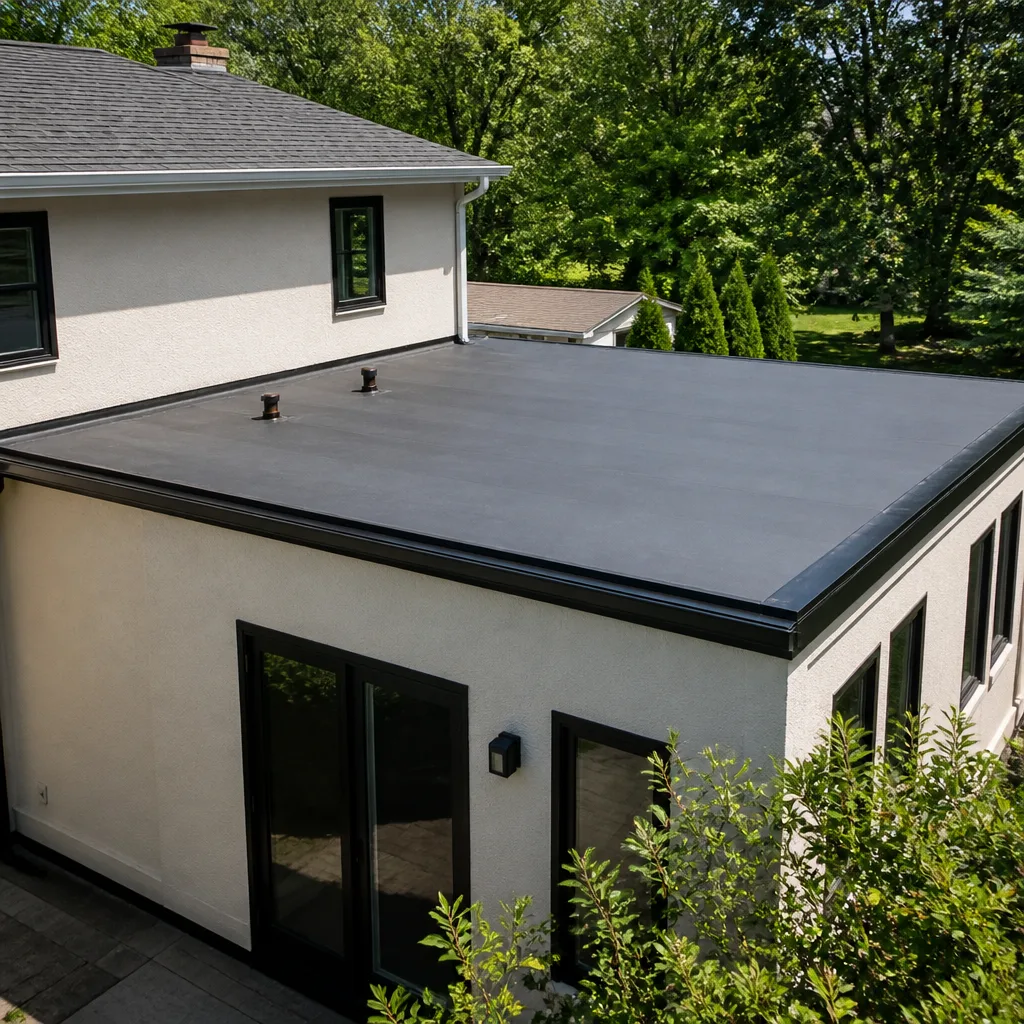 Flat & low-slope
Free roof inspection with deck photos before we talk money - GAF and Owens Corning certified installation
CertainTeed Flashing Replacement: The Tampa Owner’s Guide
CertainTeed flashing replacement in Tampa typically runs $250 to $650 installed for a single penetration point, depending on access, roof pitch, and how much surrounding shingle work is required. We keep CertainTeed-compatible flashing on our trucks and can usually complete the swap same day once we’re on site. Most Tampa homeowners discover the problem the same way: a ceiling stain after an afternoon thunderstorm, or a drip near the chimney during hurricane season.
Flashing is not the loudest part of a roof. It fails quietly. In Tampa, the combination of salt air near Bayshore Boulevard, daily UV exposure, and the thermal expansion from 95-degree afternoons followed by sudden downpours means flashing pulls away from sealant faster than it does in drier climates. We see it most often at pipe boots, valleys, and sidewalls, where two materials meet and the seal between them gives way.
Birchbark Roofing is an independent service provider, not affiliated with CertainTeed. That independence means one thing for you: we match the flashing to your roof, not the other way around. Our crews work with materials from CertainTeed, GAF, Owens Corning, and other major manufacturers, which means we recommend the right part for your specific roof rather than whatever single brand we happen to carry.
Which CertainTeed Models This Applies To
CertainTeed flashing spans the full range of the company’s roofing system, from the Landmark shingle line up through Presidential Shake and Grand Manor. The compatibility question is less about your shingle model and more about the flashing type and dimensions that were installed with it.
Here’s the practical breakdown. CertainTeed manufactures flashing for pipe boots, chimneys, step flashing, kickout flashing, drip edge, and valley work. The pipe boot sizes that matter most are 1.5-inch (standard plumbing vent) and 2-inch (FHA-compliant vent stacks), though we also carry 3-inch and 4-inch bases for HVAC and exhaust penetrations. The base material is typically aluminum or galvanized steel in 24-gauge thickness, with CertainTeed recommending steel in coastal exposure zones.
The gotcha for Tampa homeowners: many older CertainTeed installations used plain aluminum flashing without a proper counter-flashing detail at sidewalls. Aluminum in a salt-heavy environment like South Tampa or Davis Islands gets pitted and eventually perforated faster than the shingles wear out. If your original flashing was aluminum and you’re within five miles of the bay, we’ll recommend upgrading to a heavier gauge or a powder-coated option. The written price will show exactly what changed and why.
Identifying your flashing before you call helps, but don’t go on the roof to do it. Check your warranty paperwork or building permit records. If you don’t have those, describe where the leak appears and what the penetration looks like from the ground. We’ll handle the measurement. As a rule, we install OEM or specification-matched equivalents designed for CertainTeed roof systems, because a flashing that does not match the shingle profile creates a new leak where the old one was.
Styles & brands we work with
Signs Your CertainTeed Flashing Replacement Is Failing
- Ceiling stains after rain, especially near exterior walls or the chimney. This is the classic symptom of step flashing failure or missing counter-flashing. Water travels down the wall side of the flashing, not through the shingle field, which is why the stain often appears inches away from where the actual problem sits.
- Visible sealant pulling away around pipe boots or vents. In Tampa, cheap sealant rarely survives more than three or four summers. If you can see a gap between the rubber boot collar and the pipe, water is getting in, even on a dry day the next storm will find it.
- Grit and granule buildup in gutters directly below a valley or sidewall. Flashing that has lifted allows water to run under the shingle edge, which erodes the asphalt coating and washes granules into the gutter. You’ll often spot more granules in one downspout than the others.
- Rust streaks or white corrosion powder on exposed flashing. Salt air accelerates galvanic corrosion where aluminum flashing contacts steel nails or fasteners. On older Tampa homes, this looks like powdery white residue along the flashing edge and it means the metal is actively losing its protective layer.
- Damp drywall or paint bubbling inside a wall where the roof meets a sidewall. This is step flashing or kickout flashing failure. The water enters behind the exterior siding and follows the wall framing down. The repair is at the roofline, not the interior wall, and the longer it waits the more drywall work gets added to the bill.
See the difference
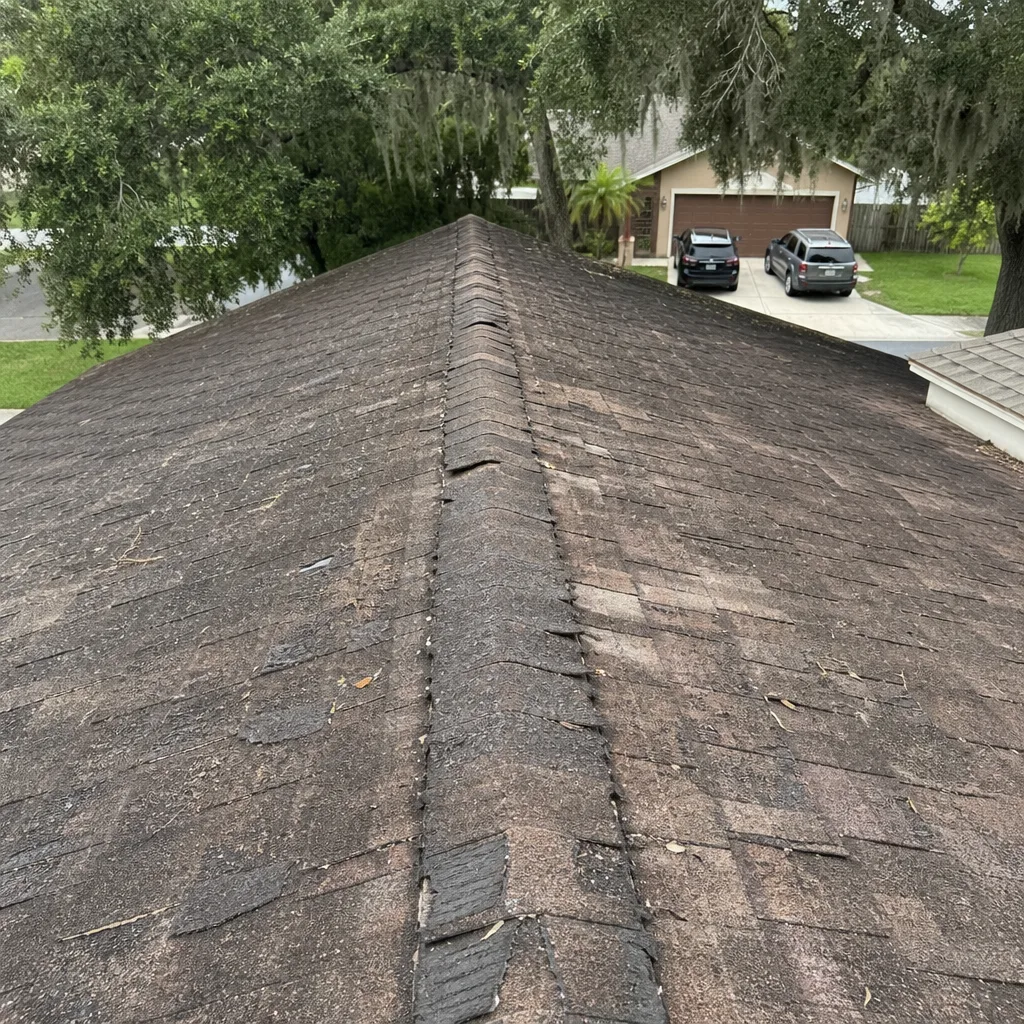 Before
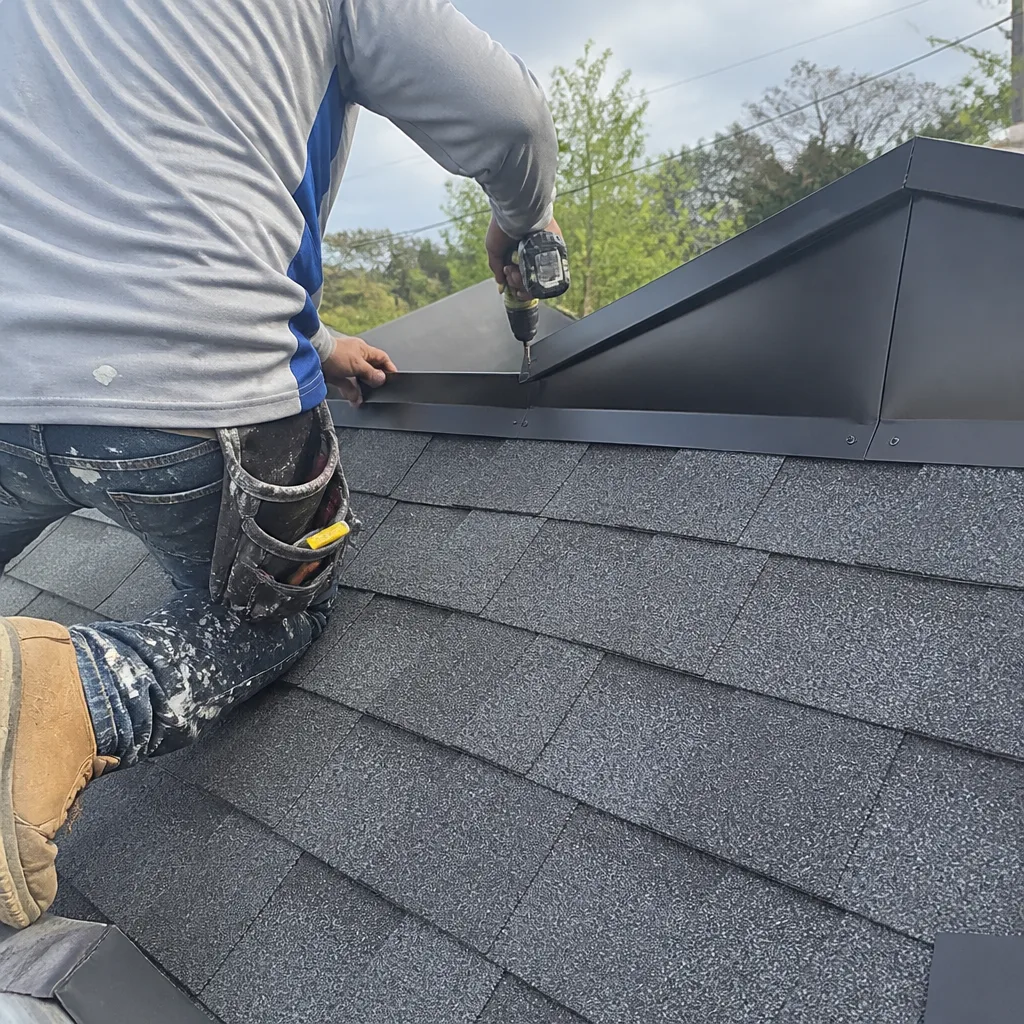 After
After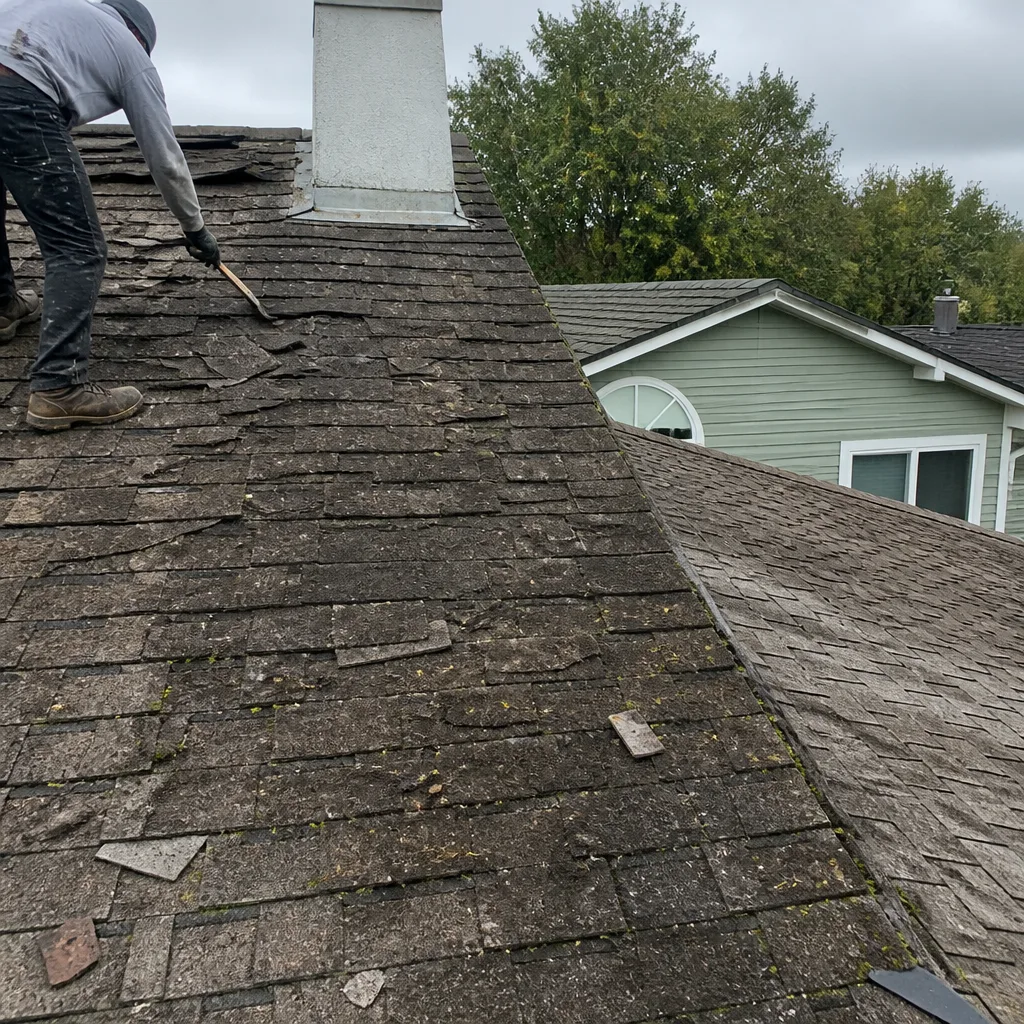 Before
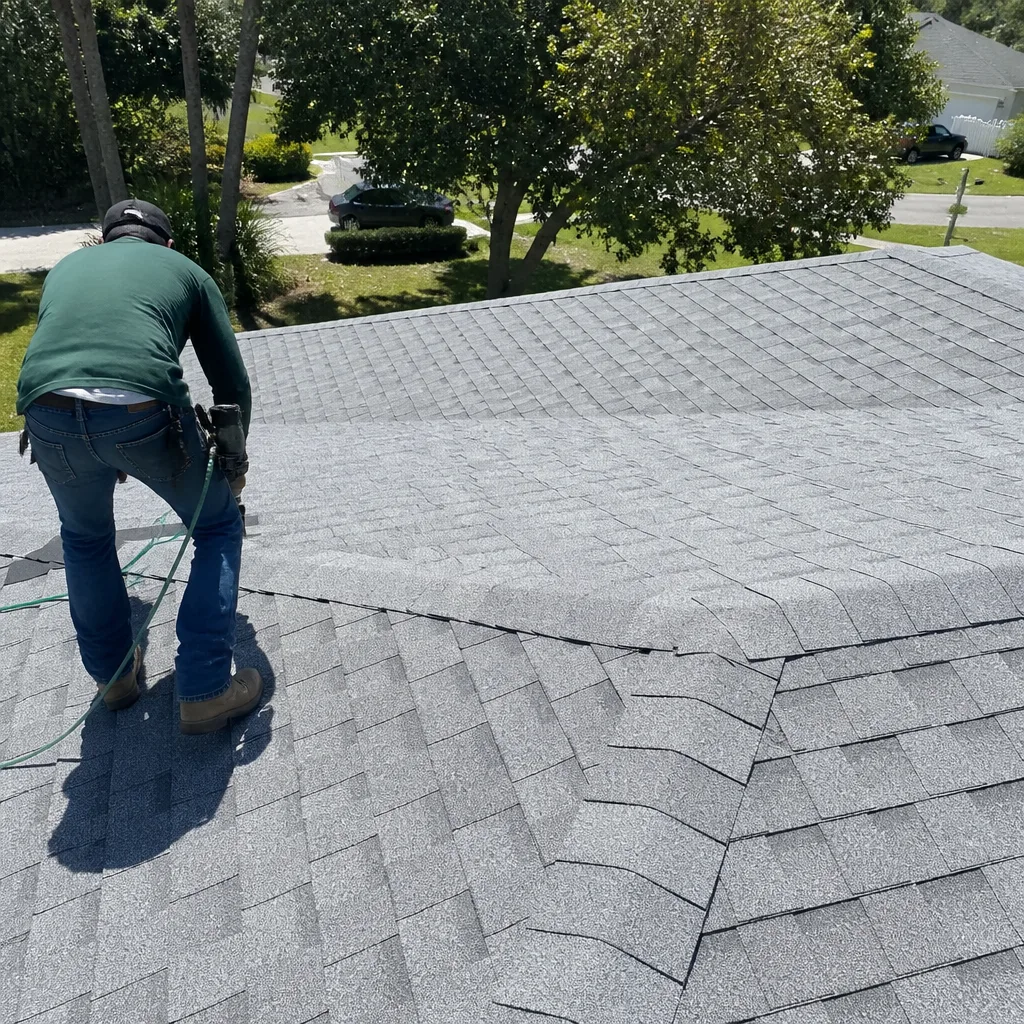 After
After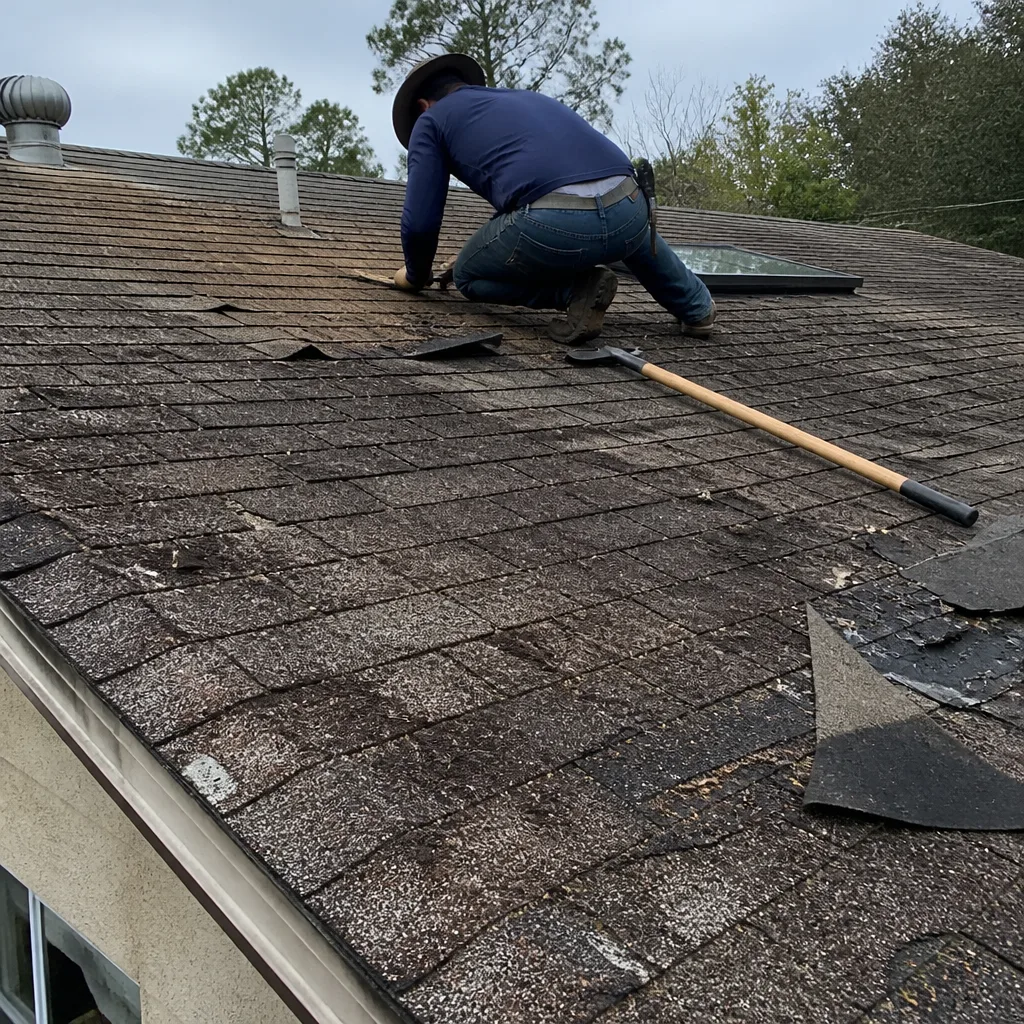 Before
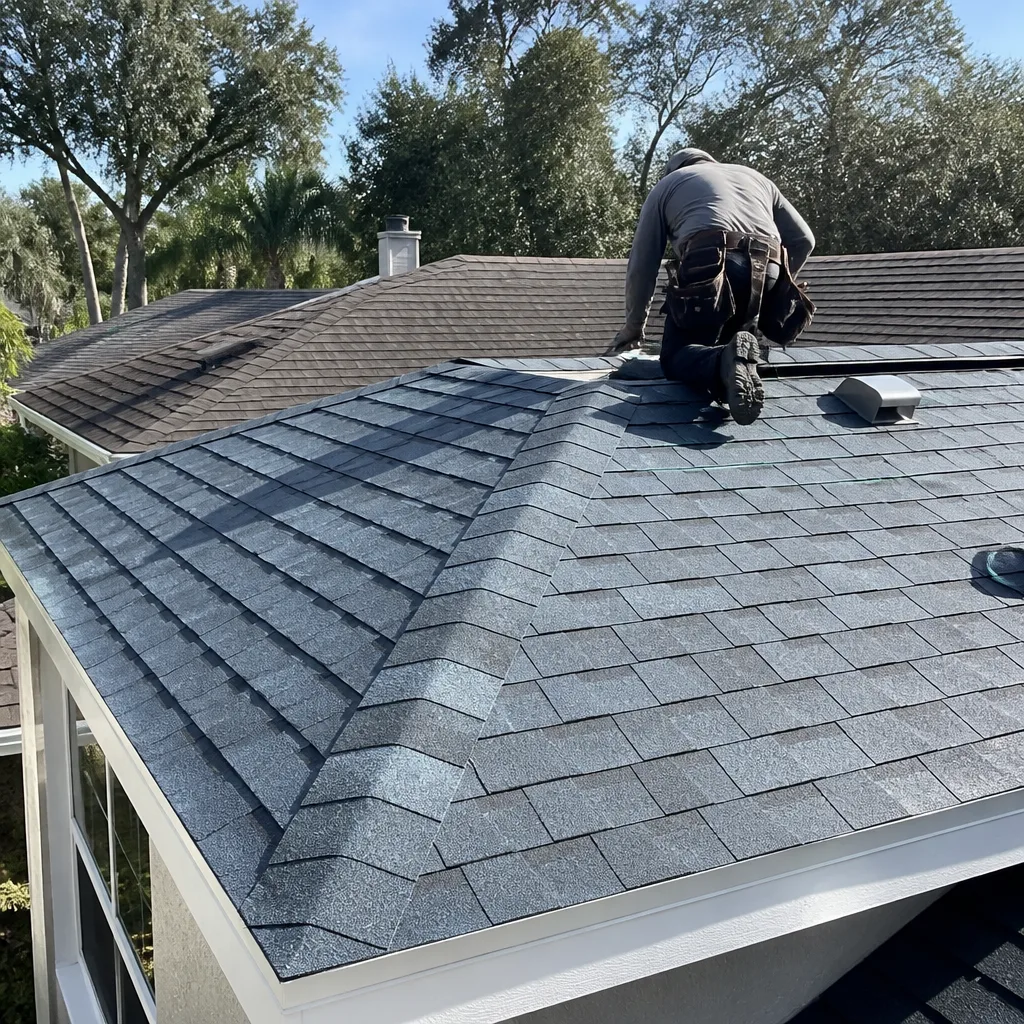 After
AfterReplacement Cost & What’s Included
Most CertainTeed flashing replacements in Tampa fall between $250 and $650 installed per penetration point. A straightforward pipe boot swap on a walkable roof with good access sits at the lower end. A chimney flashing overhaul with counter-flashing, reglet cutting, and re-bedding in mortar at the upper end. Step flashing replacement along a full sidewall runs $700 to $1,400 depending on linear feet.
There are three factors that move the price in Tampa specifically. Roof pitch matters: anything above a 6/12 requires additional fall protection and slows the work. Accessibility matters: tight lot lines in neighborhoods like Seminole Heights mean steeper ladder setup and more care with neighboring property. And the condition of surrounding shingles matters: if the old flashing is sealing correctly, the shingles around it now lift and break during removal, those replacement shingles go on the written estimate, not added as a surprise after the fact.
Every flashing replacement from Birchbark includes the same written breakdown: parts, labor, debris removal, and any shingle or underlayment work needed to restore the penetration to a watertight condition. There is no vague “flashing repair” line item. You’ll see exactly what gets replaced, what it costs in dollars, and what the crew will do with the old material before they leave. The work itself is covered under our 365-Day Done Right Promise: if it leaks, we make it right.
DIY or Call Us?
What you can safely do from the ground or a ladder: inspect visible pipe boots for pulled-back rubber collars, check the gutter for unusual granule buildup, and photograph anything that looks wrong before the next rain. These observations help us prepare the repair and they cost you nothing.
What we do not recommend: climbing onto a tile or steep-pitch Tampa roof with a caulking gun and a tube of sealant. Roof-tar patches trap water behind the flashing and accelerate rust. Replacing flashing properly means lifting shingles, cutting new metal to fit the penetration, and re-sealing in a sequence that keeps water moving down and away. That work happens on a ladder or a roof slope, and a fall at roof height is never worth the $12 you saved on a sealant tube. Call (850) 600-8577 and let us get eyes on it. The estimate is free.
FAQs
In Tampa’s salt air and storm-heavy climate, standard aluminum flashing lasts 10 to 15 years before it begins to corrode or lose its seal; heavier-gauge steel or powder-coated flashing can exceed 20 years. Coastal proximity shortens the lifespan. Homes within five miles of the bay routinely see faster deterioration, which is why we check flashing condition even when we’re on the roof for a different repair.
A torn rubber collar on a pipe boot can sometimes be patched for a season, but metal flashing that has lifted, rusted through, or separated at the counter-flash line needs full replacement to stop the leak. Patching works when the metal is sound and only the sealant has failed. The moment we see pitting or rust, replacement is the honest answer. Call (850) 600-8577 and we’ll tell you which one you’re looking at.
Most single-penetration flashing replacements are completed in 90 minutes to three hours on site, including setup, removal, installation, and cleanup. Chimney and full sidewall work runs longer, sometimes a full day. We’ll give you a realistic time window when we see the job, and the crew leaves with shoe covers off at the door and a photo of the completed clean-up.
We stock common sizes in both aluminum and steel, including 1.5-inch and 2-inch pipe boots, standard step flashing, and drip edge, so most replacements are completed same day without a supply-house run. If your job needs a specialty size or powder-coated finish, we source it from our local Tampa supplier and schedule the return visit around that part’s arrival. Either way, the written price reflects the actual part cost plus labor, with no markup games.
Need a flashing replaced before the next Tampa downpour? Call Birchbark Roofing at (850) 600-8577 for a free estimate. A live person answers every call, and you’ll get a written price in dollars before any work starts. As Erik Lindgren says: a written price before the first nail, that is just how the job starts.
Written by Erik Lindgren, Owner, Birchbark Roofing Tampa at Birchbark Roofing Tampa, serving Tampa and nearby areas.