
Last updated October 17, 2026
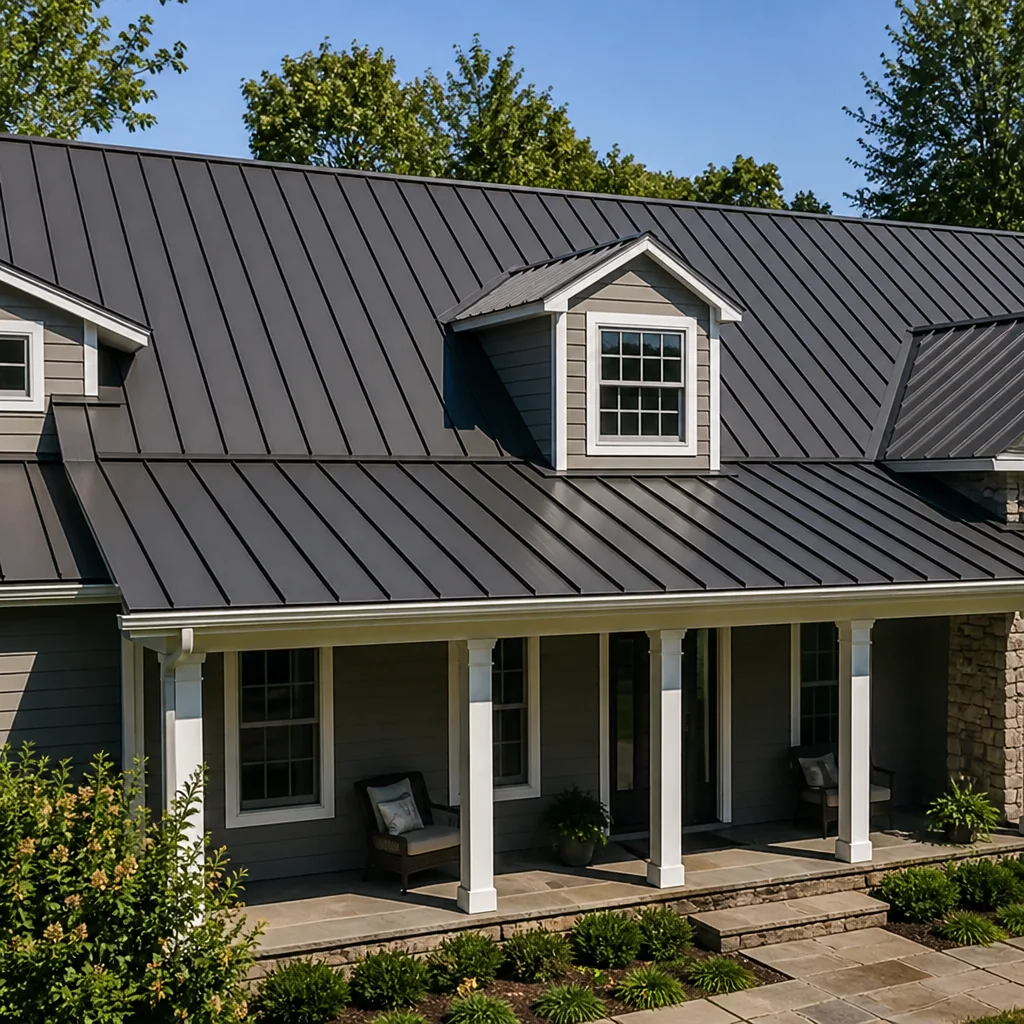 Metal roofing
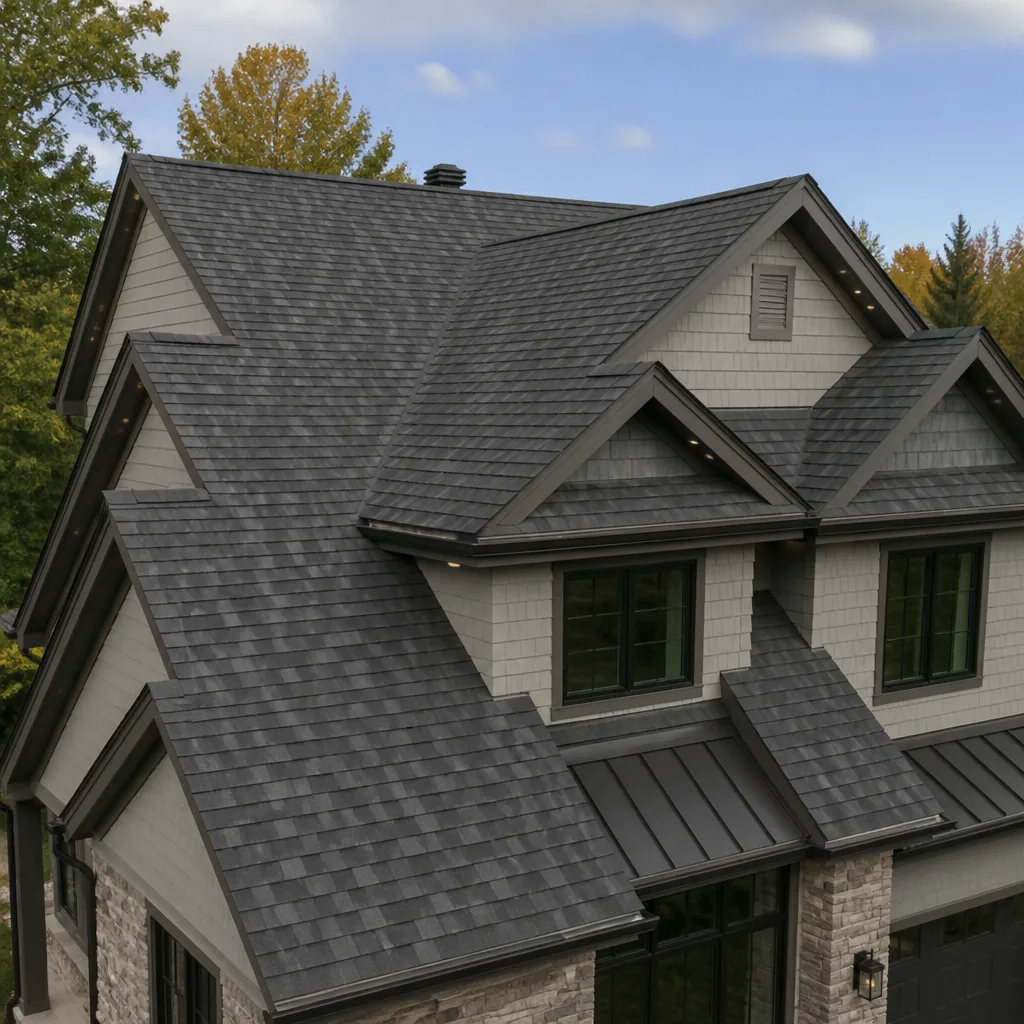 Architectural shingles
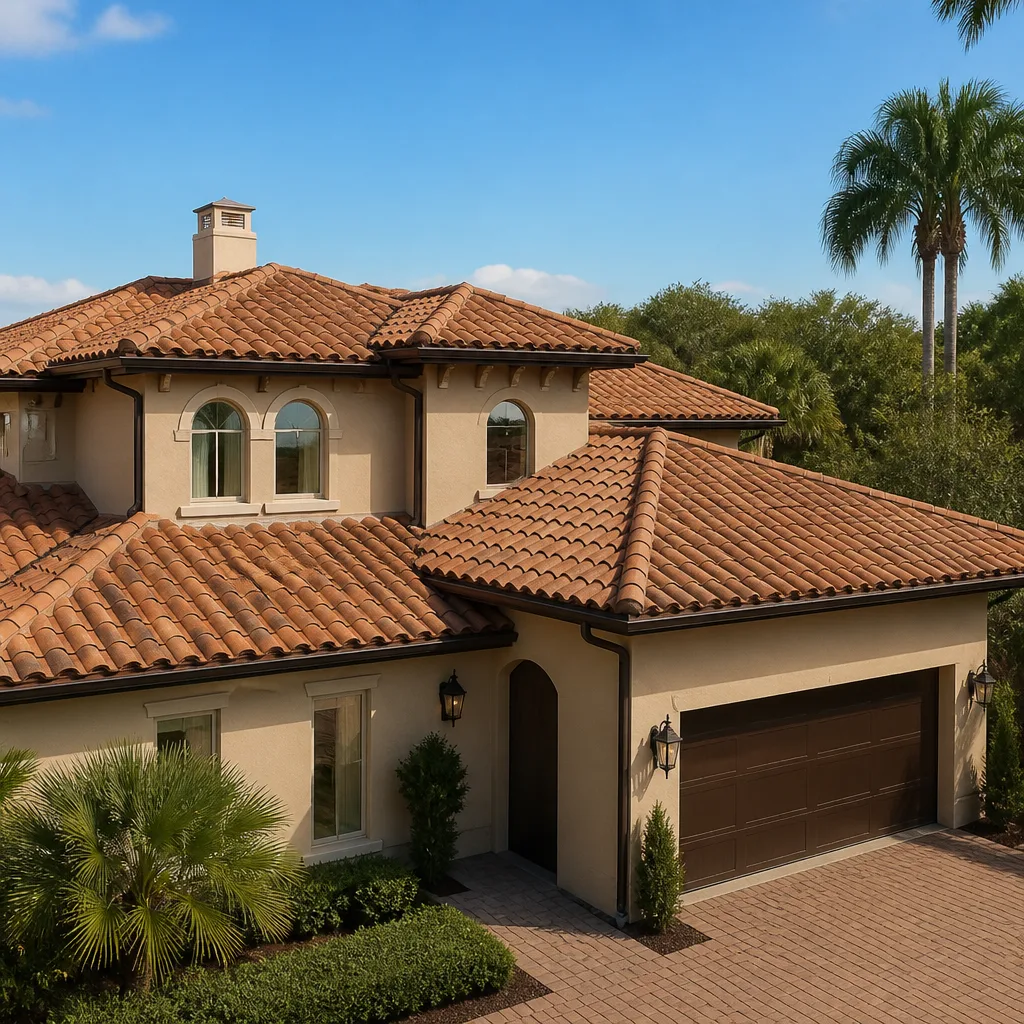 Tile roofing
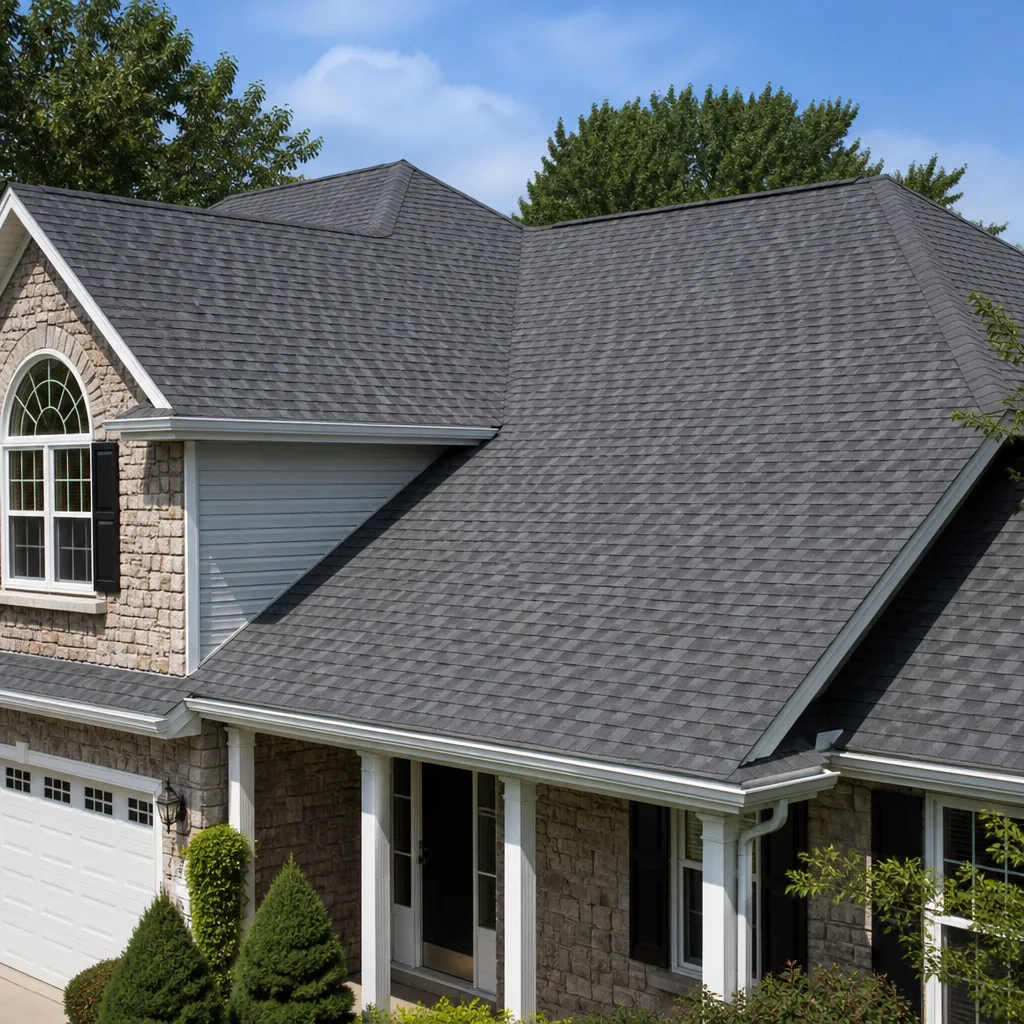 GAF
GAF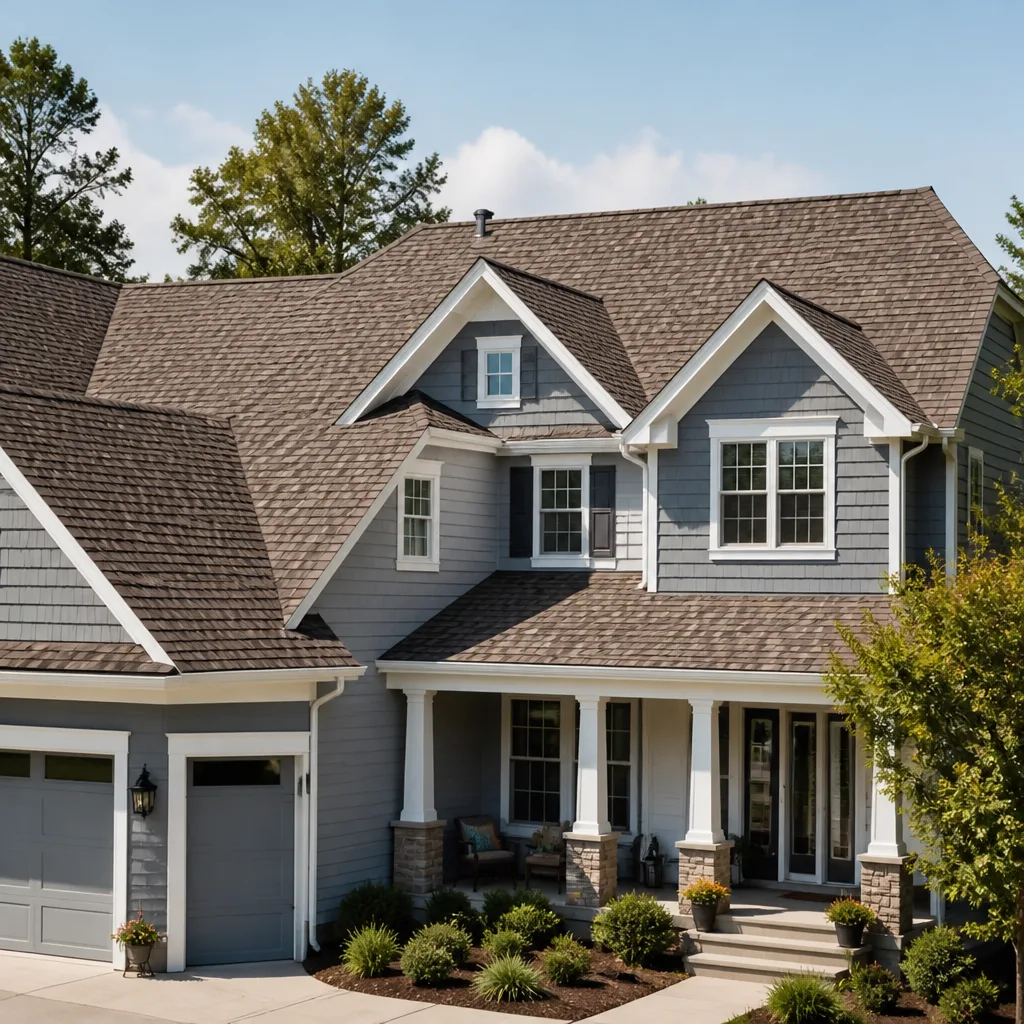 Owens Corning
 Flat & low-slope
Free roof inspection with deck photos before we talk money - GAF and Owens Corning certified installation
The Complete Guide to Roofing in Tampa
Tampa receives an average of 46 inches of rain per year, almost all of it dumped in violent summer storms, yet most roofing guides written for “Florida” treat Orlando, Miami, and Tampa as interchangeable. They aren’t. Tampa sits on a peninsula between two bays, which means salt-laden air, hurricane-grade wind loads, and a heat cycle that turns under-ventilated attics into ovens. This guide maps exactly which materials, installation details, and contractor habits hold up in Tampa’s specific climate, and which ones quietly fail within five years, and you can find more guides & resources on our blog. You’ll learn what the building code actually requires in coastal Hillsborough County, which fastening patterns are legal here (and which aren’t), how attic ventilation affects shingle lifespan, what a legitimate Tampa roofing job looks like from permit to final cleanup, and the single document you should request before any crew member climbs on your roof.
Quick Answer
Roofing in Tampa FL requires materials and installation methods rated for 140 mph wind speeds in most coastal ZIP codes, corrosion-resistant fasteners that can withstand salt air from Tampa Bay, and attic ventilation designed for year-round heat load. A complete Tampa roofing job includes a pulled permit, scheduled inspections, and written documentation of the finished work. Most residential roof replacements in Tampa run from $11,000 to $24,000 depending on square footage, material choice, and decking condition.
Styles & brands we work with
Table of Contents
- Tampa’s Wind Requirements: What the Code Actually Says
- Salt Air and Fastener Corrosion: The Overlooked Failure Point
- Attic Ventilation: Why Tampa Heat Kills Roofs from the Inside
- Best Roofing Materials for Tampa Homes
- What Roofing Costs in Tampa
- What a Legitimate Tampa Roofing Job Looks Like
- The One Document to Request Before Work Starts
- Common Mistakes to Avoid
- When to Call a Professional
- Frequently Asked Questions
Tampa’s Wind Requirements: What the Code Actually Says
Most Tampa ZIP codes fall within a wind-borne debris region, which means the Florida Building Code requires a design wind speed of 140 mph for roof assemblies in many parts of Hillsborough County. That single number eliminates a surprising number of shingle products from the legal options list. If a shingle isn’t rated for 140 mph uplift, it cannot be installed on most Tampa homes, period. The same applies to fastening patterns. A standard four-nail installation that works fine in Georgia or Tennessee won’t pass inspection here. Tampa code enforcement expects six nails per shingle in high-wind zones, with specific ring-shank nail requirements and a sealed roof deck where the home sits in a wind-borne debris area.
What this means for homeowners is straightforward: when you see a quote that’s significantly lower than others, the first question to ask is whether the crew is pulling permits and installing to 140 mph code, which is why we recommend reading our How to Hire a Roofing Contractor in Tampa: A Step-by-Step Guide before you sign anything. A roof nailed down to a lesser standard will fail in ways insurance adjusters are very good at spotting: shingles torn loose at the nail line, flashing peeled back at the eaves, or entire deck sections exposed after a storm. We’ve walked onto Tampa roofs where the previous installer used smooth-shank nails instead of ring-shank, and the shingles lifted like sheets of paper during the first summer squall. The repair bill for that mistake is always higher than the cost of doing it right the first time.
What Roofers in Tampa Must Include for Wind Compliance
- Ring-shank nails minimum 6d, with six nails per shingle in high-wind zones rather than the four nails used in lower-wind regions.
- A sealed roof deck using a self-adhered underlayment when the home is located in a wind-borne debris region, which includes most of coastal Tampa and South Tampa neighborhoods.
- Metal drip edge at all eaves and rakes, secured at intervals that meet current code, not the wider spacing older homes often have.
- Secondary water barrier in valleys and at roof-to-wall intersections, where wind-driven rain enters first.
- Specific flashing details at chimneys, skylights, and pipe penetrations that resist uplift rather than simply shedding water.
The permit inspection schedule exists to verify these details. A crew that skips the permit is also skipping the inspection, which means nobody independent ever checks the nail pattern, the underlayment seal, or the flashing. In Tampa, an unpermitted roof is also a resale problem: many title companies now verify permits before closing, and an unpermitted roof can stall a sale or reduce the price a buyer is willing to pay. For a deeper look at what full replacement involves in this market, see our guide to Roof Replacement in Tampa.
Salt Air and Fastener Corrosion: The Overlooked Failure Point
Salt air from Tampa Bay is an invisible but relentless force. It travels inland for several miles, carried on the same sea breezes that make South Tampa, Davis Islands, and Bayshore feel cooler in July. That air carries chloride particles that settle on metal surfaces and accelerate corrosion at rates three to five times what you’d see in Brandon or Wesley Chapel, which sit farther from open water. The result is simple: in coastal Tampa neighborhoods, the first thing to fail on a roof is rarely the shingle. It’s the metal.
Galvanized steel flashing, which lasts decades in interior Florida, can show visible rust within eight to ten years near the Bay. Fasteners fare worse. A smooth-shank electro-galvanized nail driven into a roof deck on Davis Islands can lose enough material to lose holding power well before the shingle itself wears out. When a shingle comes loose on a coastal Tampa home, the cause is often not wind. The cause is a nail that has rusted through.
The fix is material selection. For coastal Tampa roofs, we specify stainless steel or hot-dipped galvanized fasteners with a heavy zinc coating, not electro-galvanized. Flashing should be copper, stainless, or a marine-grade aluminum with a paint finish rated for coastal exposure. Ridge vents and pipe collars, the small metal parts most homeowners never see, should be specified for salt-air environments. These choices add a few hundred dollars to the cost of a roof, which is trivial compared to replacing rusted flashing or re-nailing entire slopes a decade early. The manufacturers who test for coastal exposure include GAF and CertainTeed, both of which publish coastal fastener specs, and a reputable Tampa roofer will follow those specs rather than using whatever nails are on the truck.
Attic Ventilation: Why Tampa Heat Kills Roofs from the Inside
In most of the country, an under-ventilated attic means higher cooling bills and a warm upstairs. In Tampa, an under-ventilated attic destroys the roof itself. Summer attic temperatures in an unventilated or poorly ventilated Tampa home routinely reach 140 to 160 degrees Fahrenheit. At those temperatures, asphalt shingles cook from below as much as from above. The shingle mat becomes brittle, the adhesive seal that holds the shingle tabs down breaks early, and the roof ages at roughly double the rate of a properly vented roof. A 25-year shingle can lose meaningful lifespan within a decade, not because the shingle was poor quality, but because the attic was trapping heat.
Proper attic ventilation for Tampa means a balanced system: intake at the soffits and exhaust at or near the ridge. The current code-recommended ratio is 1 square foot of net free vent area for every 150 square feet of attic floor space, and that’s the minimum. Many Tampa homes built before the 1980s have gable-end vents only, or soffit vents blocked by insulation, or no soffit vents at all. A roof replacement is the right time to correct this, because the deck is open and the roofer can install a continuous ridge vent or reposition intake vents so air actually moves. Owens Corning and Boral both provide detailed ventilation design tables for hot-humid climates, and experienced Tampa roofers use those tables to size intake and exhaust before the shingles go down. The difference in roof life is measured in years, not months.
Best Roofing Materials for Tampa Homes
Tampa’s climate eliminates some roofing options that work beautifully elsewhere. Wood shake, for instance, has no business on a Tampa house: it swells with summer humidity, dries in winter, and becomes a mold magnet in between. Uncoated metal roofs fare poorly near the salt air unless the metal is specifically rated for coastal use. Clay and concrete tile perform well in the wind and heat but require a roof structure engineered for the weight, which many older Tampa homes don’t have. Asphalt shingles remain the most common choice in Tampa for good reason: properly specified and installed, they meet the 140 mph wind requirements, handle the rain, and don’t require structural reinforcement. Here is how the main options compare in Tampa specifically.
Material Comparison for Tampa’s Climate
- Architectural asphalt shingles: The workhorse option. Choose a brand with a 140 mph wind rating and pair with coastal fasteners and a sealed deck. Cost-effective and widely available from brands like GAF, CertainTeed, and Owens Corning.
- Standing seam metal: Excellent wind performance and long lifespan, but must be specified with a coastal finish (PVDF coating) and stainless or compatible fasteners. Higher upfront cost, lower lifetime cost for homeowners planning to stay 20+ years.
- Clay or concrete tile: Very durable in Tampa’s heat and rain, but heavy. Requires structural evaluation first. Common in established Tampa neighborhoods like Palma Ceia and Hyde Park where homes were designed for the load.
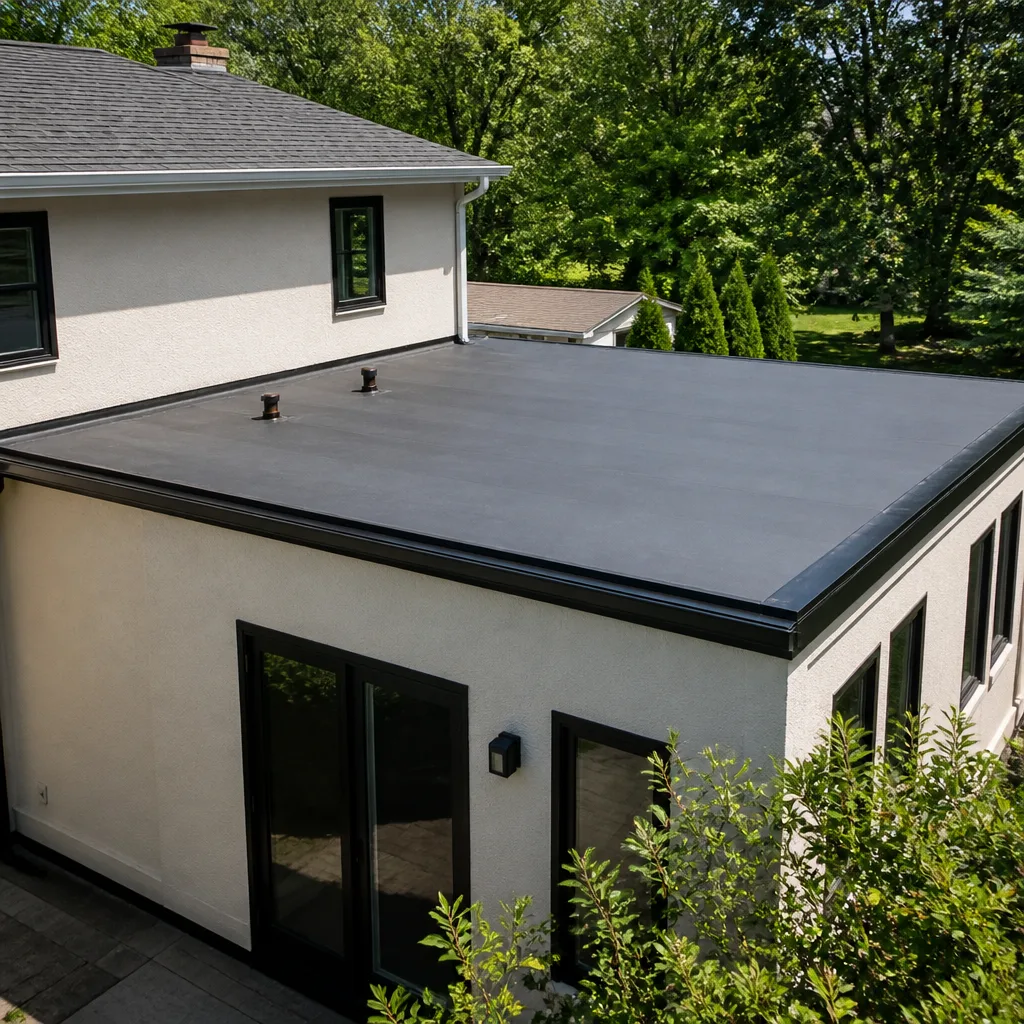
- Modified bitumen or TPO (flat/low-slope): For the flat-roof sections common on mid-century Tampa homes. Must be installed with proper heat-welded seams and reinforced flashing details.
The material matters less than the installation details in Tampa. A premium shingle nailed with the wrong fasteners to an unsealed deck will fail before a mid-grade shingle installed to current wind code. When homeowners ask us which brand to pick, the honest answer is to pick the installer first and the brand second. A GAF shingle installed correctly on a sealed deck in South Tampa will outperform an Owens Corning shingle installed wrong in Carrollwood every single time. For more on how we approach material selection, see our main Birchbark Roofing Tampa home page.
What Roofing Costs in Tampa
Roofing costs in Tampa vary by square footage, material choice, roof pitch, decking condition, and whether the home sits in a wind-borne debris zone (which affects underlayment requirements). Based on completed jobs in Hillsborough County, here is what homeowners should expect for a full replacement.
Typical Tampa Roof Replacement Costs (2026)
| Home Size (sq ft) | Asphalt Shingle | Standing Seam Metal | Clay/Concrete Tile |
|---|---|---|---|
| 1,200 – 1,800 | $11,000 – $16,500 | $22,000 – $32,000 | $28,000 – $40,000 |
| 1,800 – 2,500 | $14,500 – $21,000 | $29,000 – $42,000 | $35,000 – $52,000 |
| 2,500 – 3,500 | $18,000 – $27,000 | $36,000 – $55,000 | $44,000 – $68,000 |
These ranges assume a straightforward tear-off of one layer, no major decking replacement, and a roof pitch of 4:12 to 7:12. Homes with steep pitches, second layers to remove, or extensive rotted decking will land higher. Repair work is priced differently: a targeted repair in Tampa typically runs $350 to $900 depending on scope, while a larger repair involving multiple slopes or flashing replacement can reach $1,500 to $3,500. The number that matters is the written line-item price you receive before work starts. At Birchbark Roofing, that written price is always included and never negotiated away; you’ll see the exact dollar figure for materials, labor, permits, and disposal before anyone climbs a ladder. For a focused breakdown of repair pricing, see Roof Repair in Tampa.
What a Legitimate Tampa Roofing Job Looks Like
A legitimate roofing job in Tampa follows a predictable sequence. Knowing the sequence protects you from the two most common problems we see: crews that start work before permits are pulled, and crews that finish without letting an inspector verify the work. Here is the sequence from start to finish.
- Written estimate from an on-roof inspection. The contractor walks the roof, documents existing conditions, and provides a written scope with line-item pricing. No one should give you a firm price without looking at the roof itself, not just satellite photos.
- Permit pull. The contractor files for the permit with the City of Tampa or Hillsborough County, depending on where the property sits. The permit number should appear on your contract and you can verify it online.
- Material delivery and site protection. Materials are delivered, and the crew sets up protection: shoe covers at the door, drop cloths through the hallway, and a plan for where debris will be staged. At Birchbark, we take a photo of the completed clean-up before the crew leaves.
- Tear-off and deck inspection. Old shingles come off, and the roof deck is inspected for rot or damage. Rotted deck sections are replaced and documented. If the home is in a wind-borne debris zone, the deck is sealed with a self-adhered underlayment at this point.
- Underlayment, flashing, and shingle install. The new system goes on in layers: underlayment, drip edge, flashing at valleys and penetrations, then the shingles themselves, nailed to code pattern.
- Inspections. Tampa requires a rough inspection (often at the dry-in stage) and a final inspection. A legitimate contractor doesn’t ask you to skip this.
- Final walkthrough and photo documentation. The contractor walks the property with you, removes all debris, and provides photo documentation of the finished work. If the dog needs to stay inside during any part of this, a considerate crew coordinates the door schedule with you.
The One Document to Request Before Work Starts
Before any crew member climbs on your roof, you should have one document in hand: a written scope of work with line-item pricing. This single piece of paper eliminates nearly every roofing dispute in Tampa before it starts. A proper scope of work names the materials by brand and specification, states the fastening pattern, identifies the underlayment type, lists the flashing locations, includes the permit fee and inspection schedule, and shows the exact dollar amount for every line item. It also includes what the crew will do to protect your home during the job: shoe covers, drop cloths, and cleanup arrangements.
The absence of this document is a warning sign. Verbal agreements, “we’ll figure it out as we go” pricing, or a single lump-sum number with no breakdown are how Tampa homeowners end up with surprise change orders, substituted materials, or a roof that wasn’t installed to wind code. A written scope doesn’t guarantee good work, but it guarantees accountability. At Birchbark, the written price before any work starts is never optional; it’s how we’ve operated since opening as part of the Cedarwell family in 2000. We hold every job to the Cedarwell Care Promise, which means clean up like it’s our own home, ask before we move or touch anything, respect the family’s time and quiet hours, and explain the price before the work.
Common Mistakes to Avoid
- Accepting a low bid without checking the fastening pattern. Some Tampa crews save money by installing four nails per shingle instead of six. The roof looks identical on day one and fails early in a storm. Ask for the nailing pattern in writing.
- Replacing shingles without addressing attic ventilation. A new roof on a 150-degree attic will age prematurely. Have the intake and exhaust vents evaluated at the same time as the roof replacement.
- Allowing a crew to skip the permit. Unpermitted roofs fail inspection at resale and leave you with no independent verification that the work met wind code. No legitimate Tampa roofer skips the permit.
- Using interior-grade flashing or fasteners near the Bay. In coastal Tampa neighborhoods, standard galvanized metal rusts early. Specify stainless or marine-grade flashing and hot-dipped fasteners.
- Choosing a material based on marketing rather than Tampa suitability. A roof that performs well in Arizona or Ohio may be a poor choice for salt air, 46 inches of rain, and 140 mph wind loads. Match the material to this climate.
- Not asking about site protection. The roof is only one part of the job. A crew that doesn’t plan for shoe covers, drop cloths, and debris cleanup will leave you with scraped floors and nails in the yard. Ask how they protect the home before signing.
- Paying in full before the final inspection passes. A small deposit is standard. Full payment should follow the final inspection and your walkthrough, not before.
When to Call a Professional
Some roofing issues are visible from the ground or from a window, and some are not. Call a professional if you see shingles in the yard after a storm, if you notice water stains on the ceiling, if you can see daylight through the roof boards from inside the attic, or if your roof is more than 15 years old and has never had a professional inspection in this climate. You should also call if you’re buying or selling a home in Tampa, because a roof condition report affects the loan and the price. High-wind repairs and any work requiring a permit should never be attempted as a DIY project-see our DIY vs Professional Roofing: The Tampa Homeowner’s Decision Guide for why a fall from a Tampa roof is a serious injury, and the building code exists for a reason. Birchbark Roofing Tampa offers free estimates in Tampa. Call (850) 600-8577 to schedule one, and a live person will answer, day or night.
Frequently Asked Questions
A full roof replacement in Tampa typically costs between $11,000 and $27,000 depending on home size, material, and decking condition. Asphalt shingle replacements on a 1,800-square-foot home usually land between $14,500 and $21,000. Call (850) 600-8577 for an exact written quote, which is always provided before any work starts.
Most Tampa homes require a roof assembly rated for 140 mph design wind speed due to the wind-borne debris region designation in coastal Hillsborough County. This affects shingle selection, fastening patterns, and underlayment requirements. A permitted roof in Tampa is verified against this standard by an independent inspector.
A standard asphalt shingle replacement on a Tampa home takes two to five days, depending on roof size, pitch, and weather. The permit and inspection schedule runs alongside the installation. Your contractor should give you a written timeline before work begins.
Yes. Roof replacements in the City of Tampa and unincorporated Hillsborough County require a building permit and inspections. A contractor who skips the permit is violating code, and the unpermitted roof can cause problems when you sell the home.
In some cases, yes: wind or storm damage claims are common in Tampa, and a covered claim can pay for part or all of a replacement. Insurance does not cover normal wear and aging. A licensed roofing contractor can document the damage and help you through the claim. Schedule a free estimate by calling (850) 600-8577.
The 365-Day Done Right Promise is Birchbark Roofing’s guarantee that if the work isn’t right, we make it right. It covers every roof repair and replacement we perform in Tampa, and it’s stamped on every job as part of the Cedarwell Care Promise. The goal is a roof you don’t think about for decades.
The Bottom Line
Roofing in Tampa is a weather-resilience decision: the roof must shed 46 inches of annual rainfall, hold against 140 mph wind loads, survive salt-laden air from Tampa Bay, and breathe through year-round attic heat. Materials that work elsewhere often fail here within five years when the fasteners corrode, the deck goes unsealed, or the attic strangles the shingles from below. The single most important step a Tampa homeowner can take is to choose an installer who documents everything in writing: the scope, the fastening pattern, the ventilation plan, the permit schedule, and the price before work begins. That written commitment, backed by a 365-Day Done Right Promise and a clean-up photo before the crew leaves, is what separates a roof that lasts from one you’ll replace again too soon. Ready to talk about your roof? Call (850) 600-8577 for a free estimate from Roofing Company in Tampa.
Written by Erik Lindgren, Owner at Birchbark Roofing Tampa, serving Tampa since 2000.
See the difference
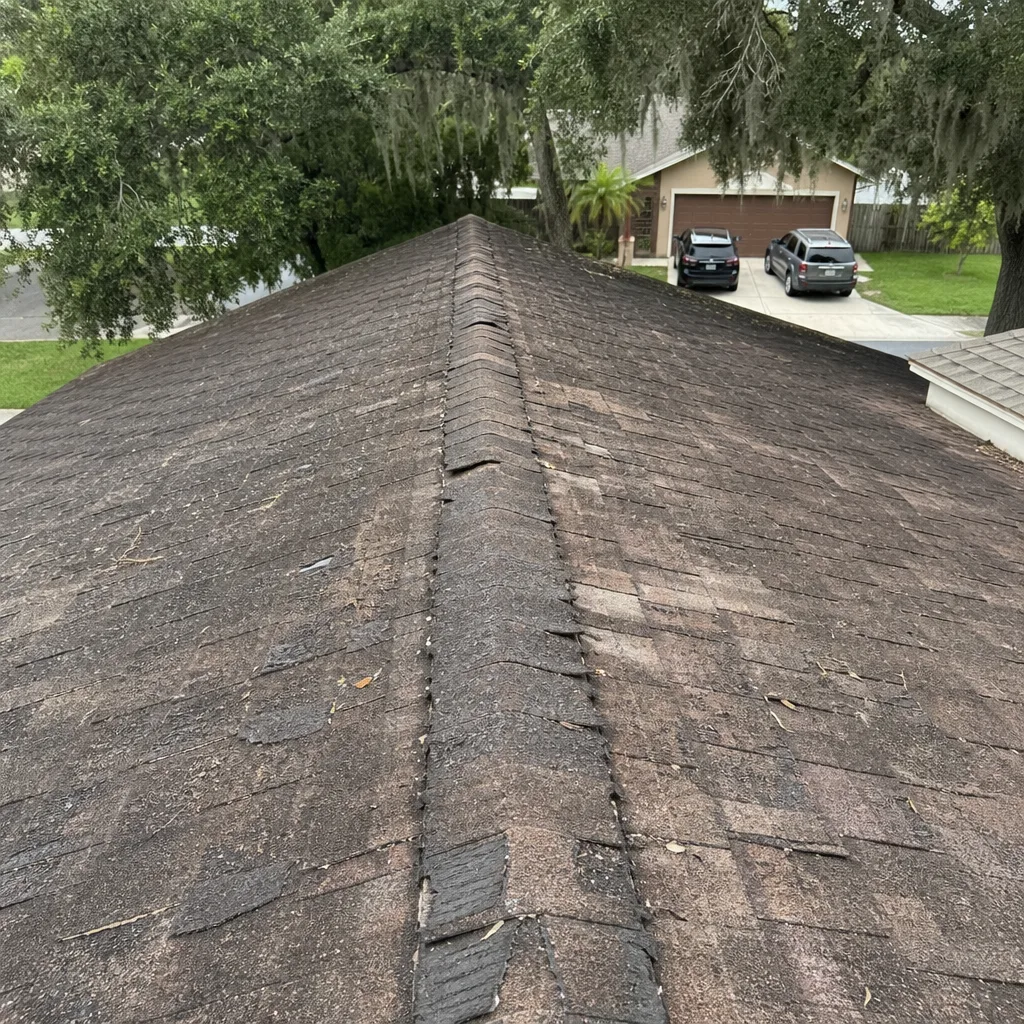 Before
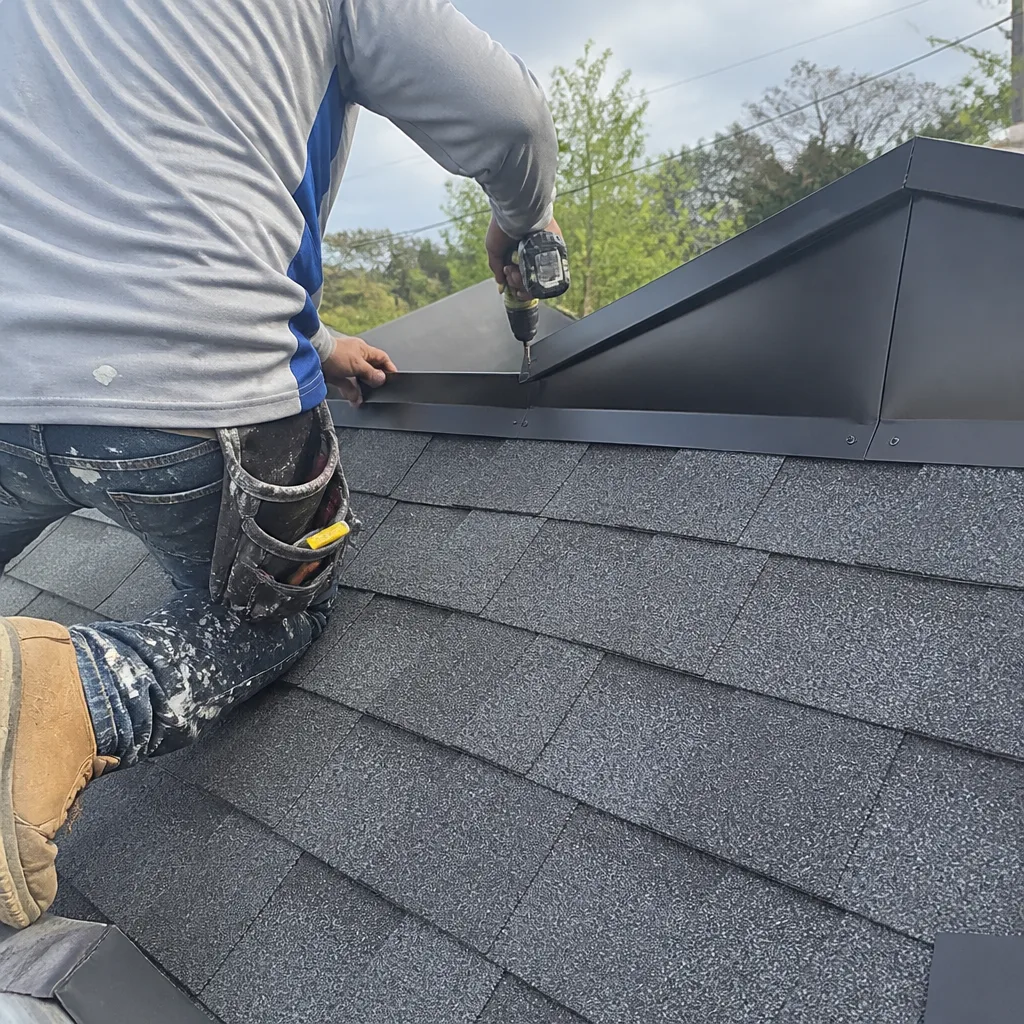 After
After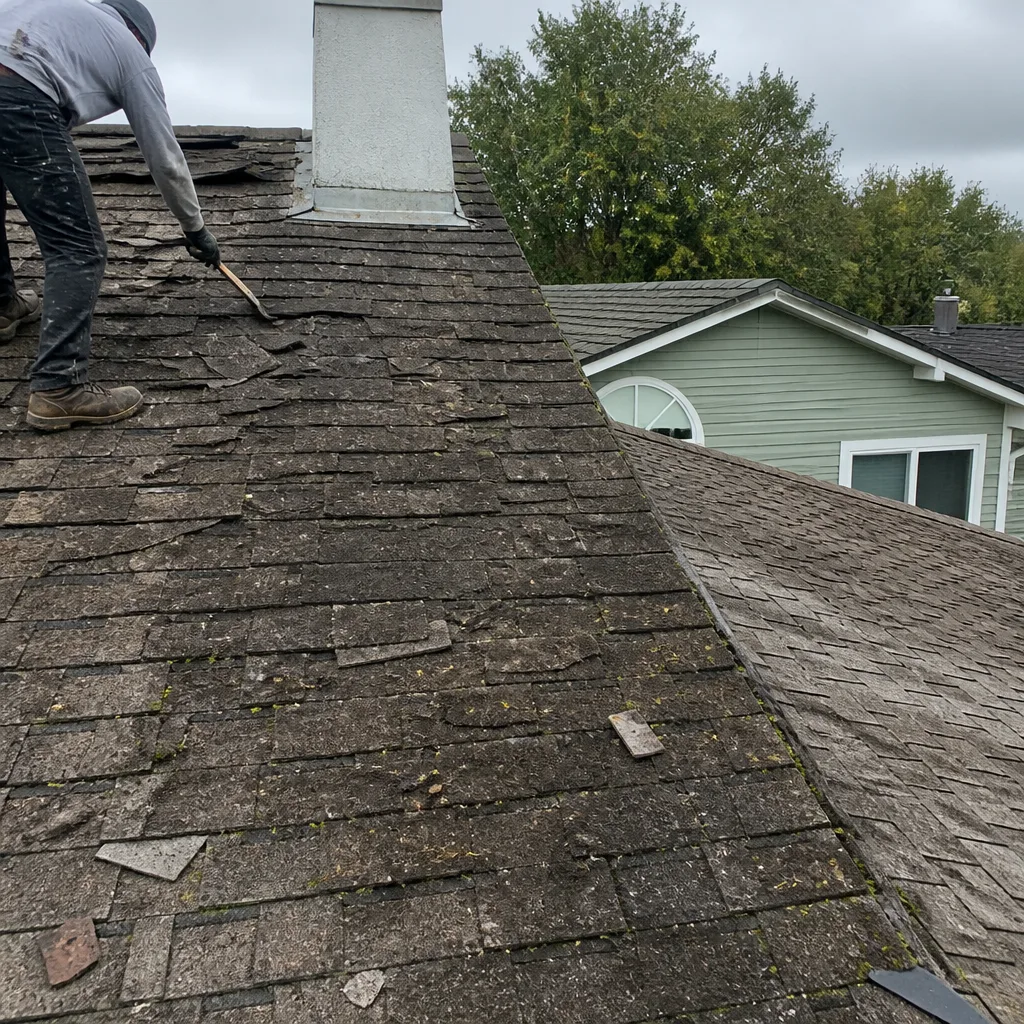 Before
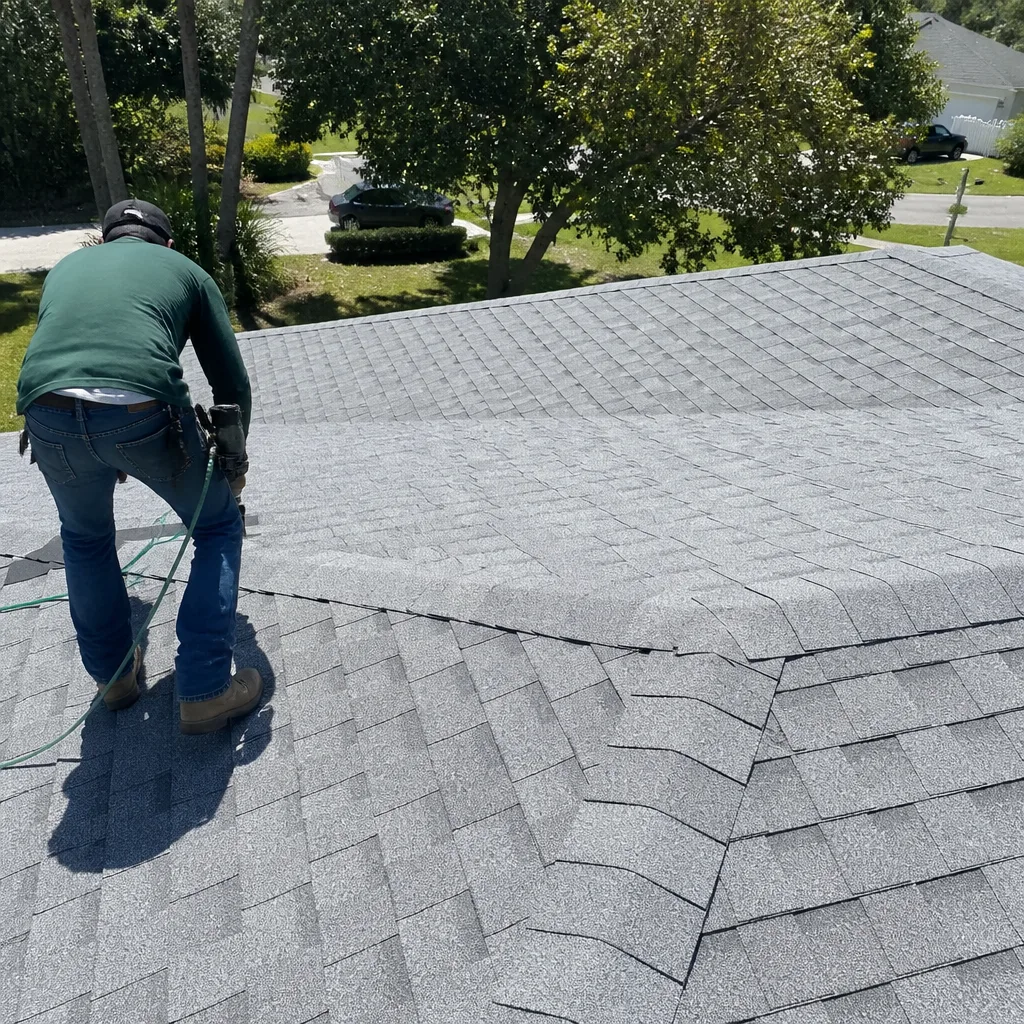 After
After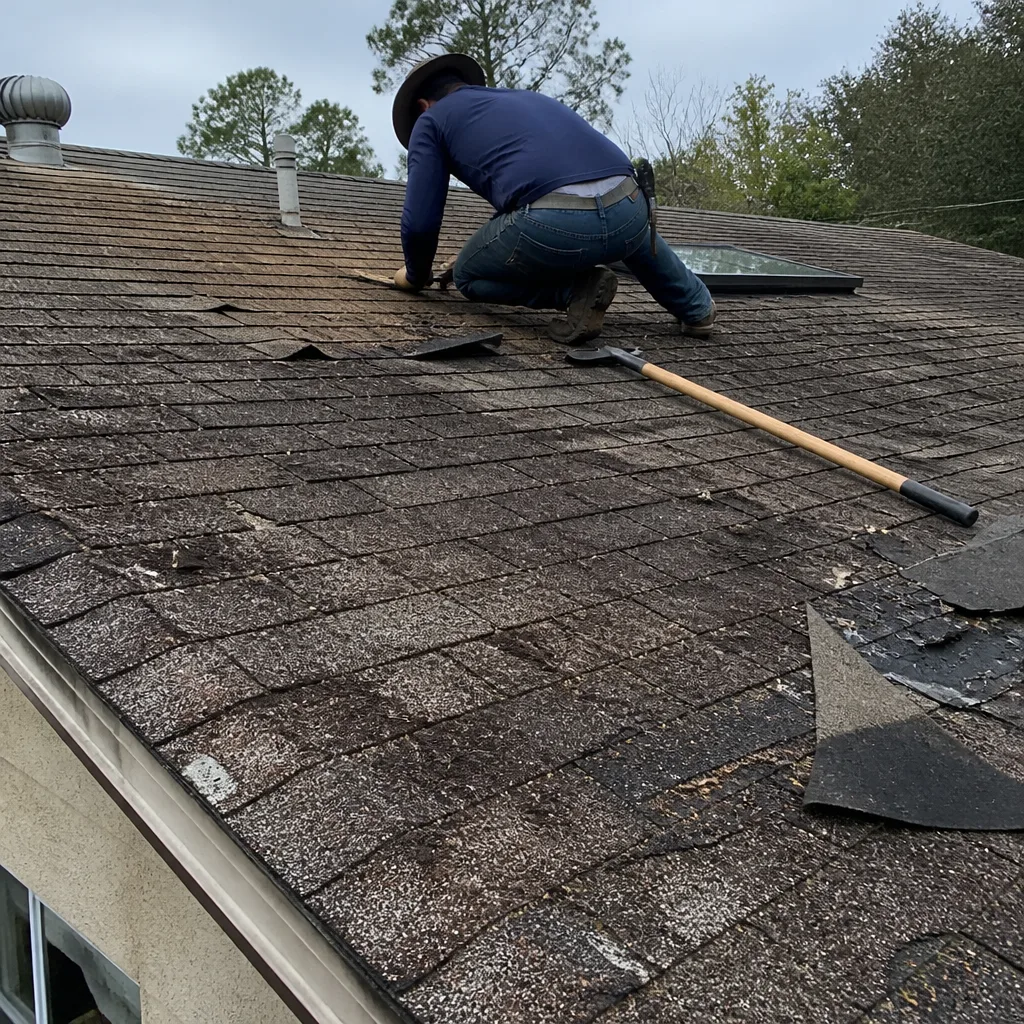 Before
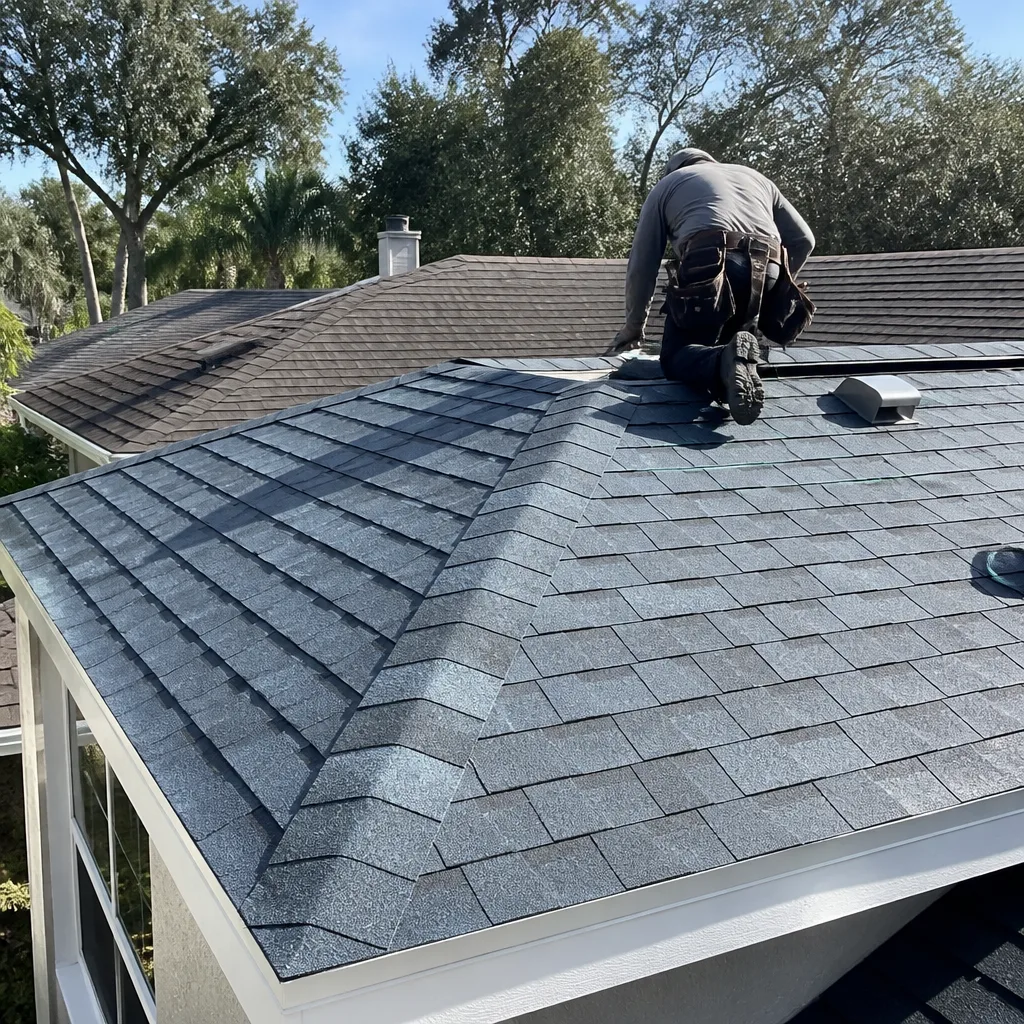 After
After