
Last updated October 17, 2026
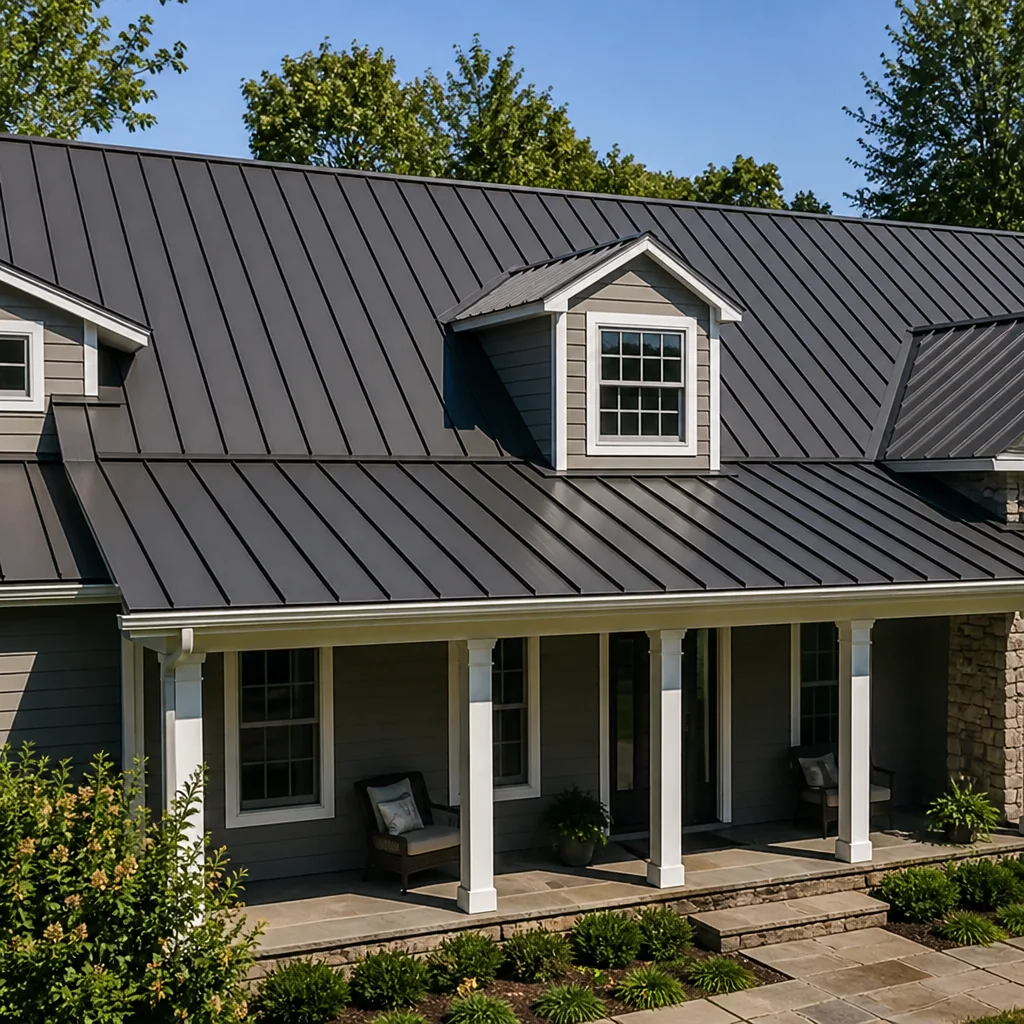 Metal roofing
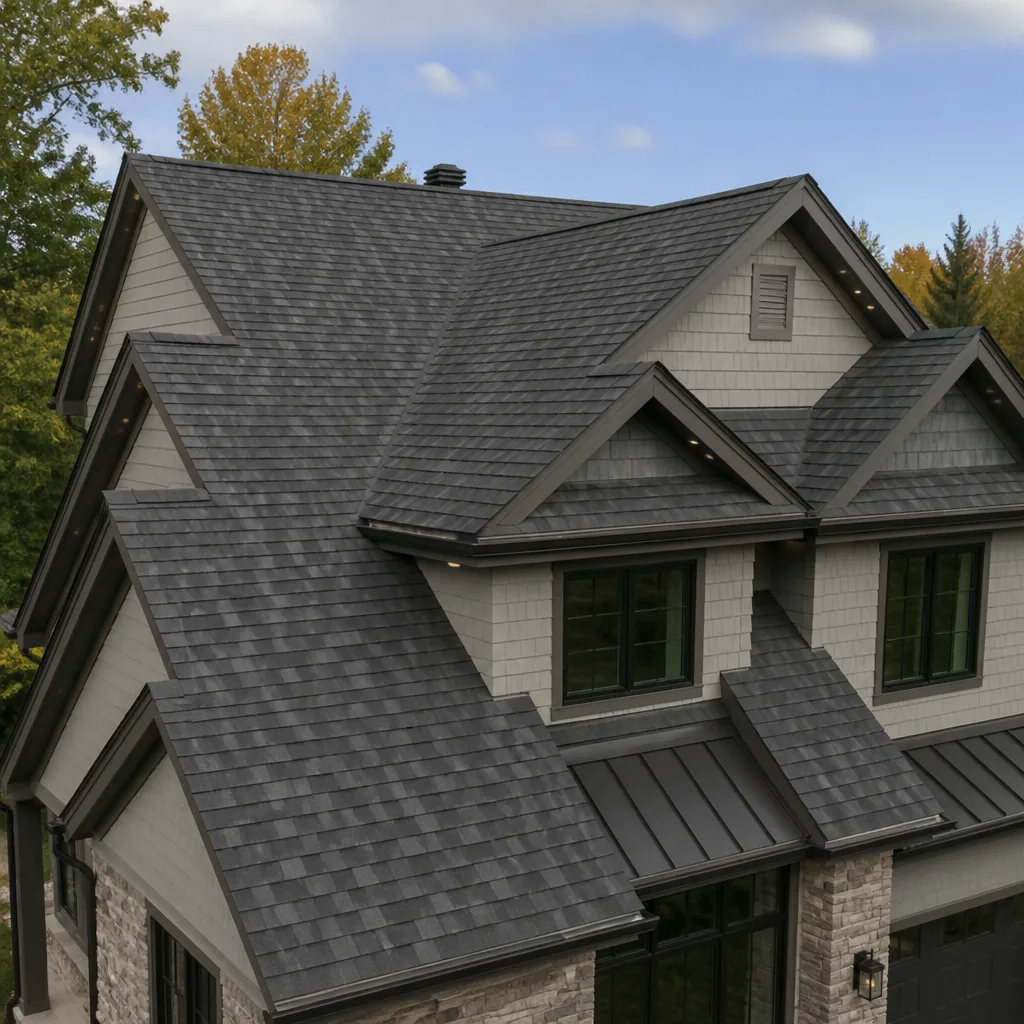 Architectural shingles
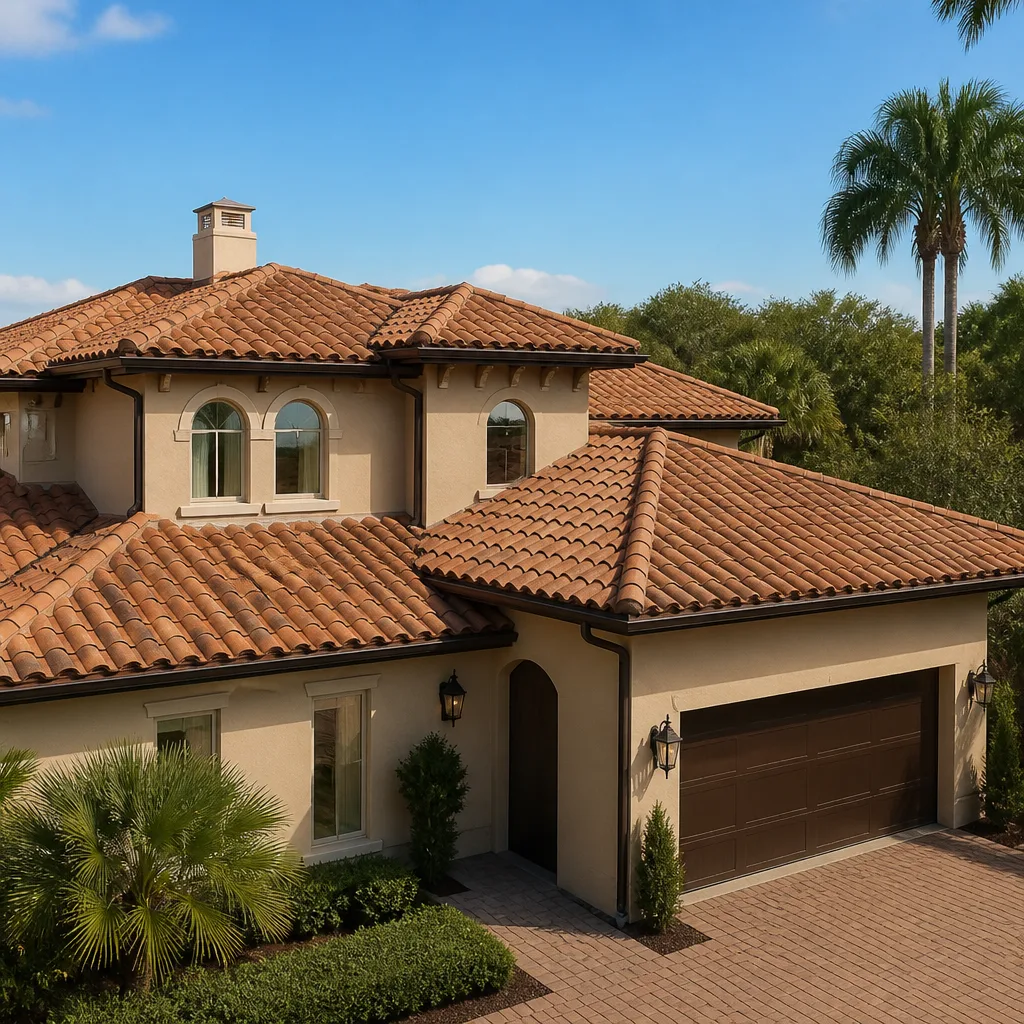 Tile roofing
 GAF
GAF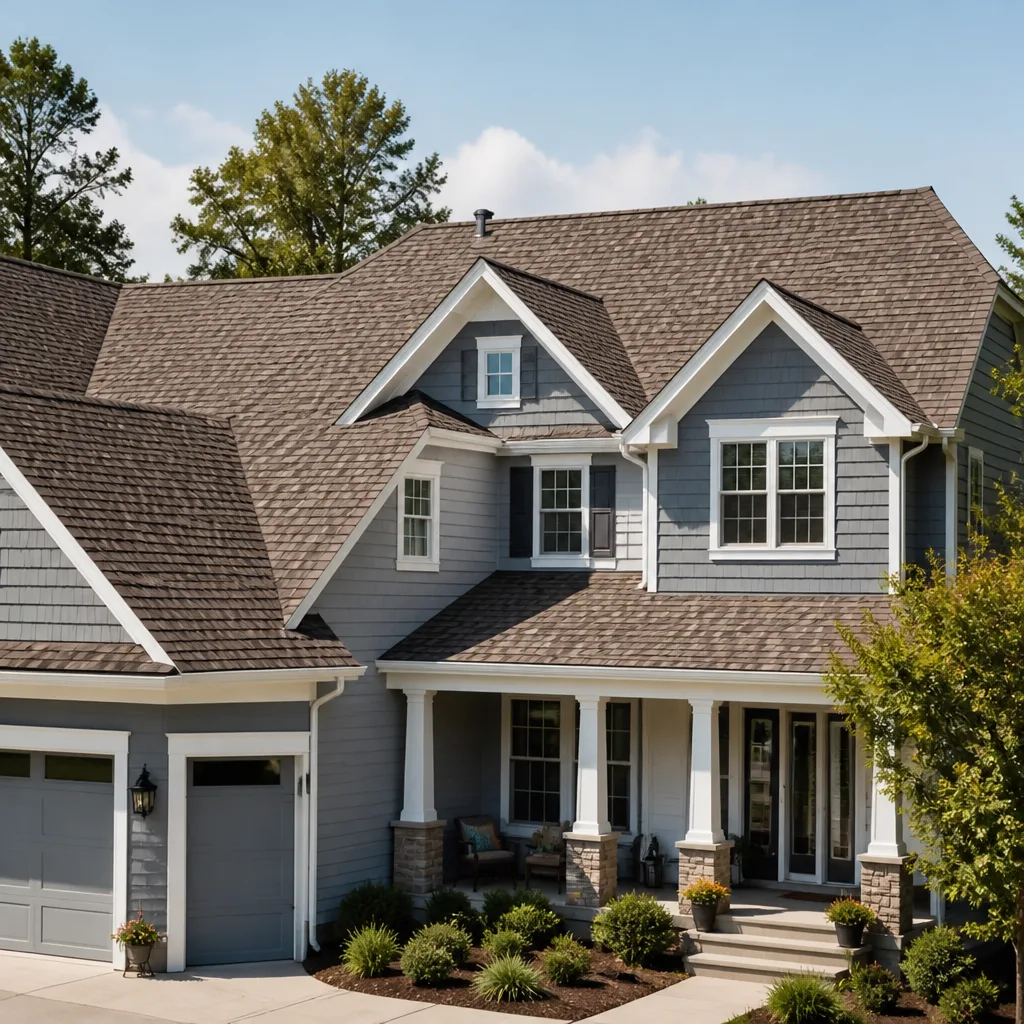 Owens Corning
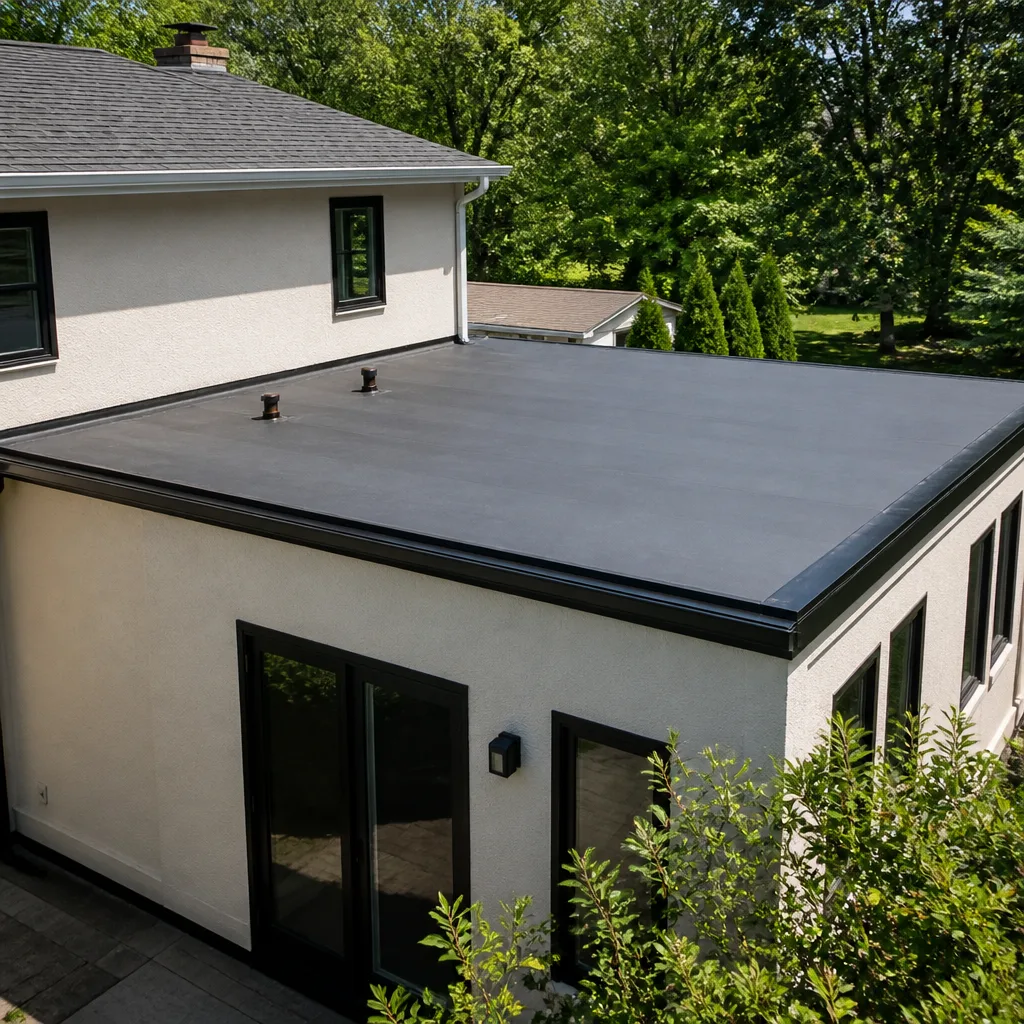 Flat & low-slope
Free roof inspection with deck photos before we talk money - GAF and Owens Corning certified installation
DIY vs Professional Roofing: The Tampa Homeowner’s Decision Guide
Here’s something most Tampa roofing guides won’t tell you: a homeowner can install a roof themselves, do the work correctly, pass a visual inspection, and still lose their homeowner’s insurance. Florida insurers routinely require proof of a licensed contractor and a finaled permit before they’ll bind or renew a policy on a re-roofed home. This guide walks through the legal, financial, and practical realities of the DIY roofing decision in Tampa, so you can weigh the real costs behind the appealing idea of saving money by doing it yourself.
Quick Answer
For most Tampa homeowners, hiring a licensed roofer for anything beyond minor repairs and ground-level maintenance is the fiscally safer choice. DIY roofing on a primary residence triggers Florida owner-builder permit rules, insurance binding requirements, and resale disclosure obligations that can erase any upfront savings. Minor tasks like gutter cleaning and attic inspection are genuinely DIY-friendly; anything involving structural work, underlayment, or a full re-roof should be left to a licensed contractor.
Styles & brands we work with
Table of Contents
- What Florida Law Actually Says About DIY Roofing
- The Owner-Builder Permit Exemption: What It Allows and What It Doesn’t
- How a DIY Roof Affects Your Tampa Homeowner’s Insurance
- The Resale Risk: What Happens When You Sell a DIY-Roofed Home
- The Real Cost Comparison: Where DIY Saves and Where It Backfires
- Wind Mitigation and Insurance Premiums: Why Licensed Work Pays You Back
- The Legitimate DIY Scope for Tampa Homeowners
- What a Tampa Professional Roofing Job Should Include
What Florida Law Actually Says About DIY Roofing
Florida is not a state that takes a casual approach to roofing. The Florida Building Code requires permits for most roofing work, and Florida Statute 489.103 sets out specific exemptions for homeowners. Understanding what the law allows is the first step, because the penalty for getting this wrong is not a fine in most cases. It’s a denied insurance claim, a stalled home sale, or a cancelled policy.
Here’s what Florida law permits a homeowner to do without a contractor license:
- Minor repairs on a home the homeowner occupies or intends to occupy, provided the repair does not affect structural integrity.
- Ground-level maintenance such as gutter clearing, debris removal, and visual inspection from a ladder, not the roof itself.
- Interior attic work that involves inspection or sealing small areas around vents and fixtures, provided no structural member is altered.
And here’s what Florida law prohibits an unlicensed individual from doing on a roofing job, even on their own home:
- Structural alteration of any load-bearing component, including trusses, rafters, and decking that has failed or rotted.
- Full or partial re-roofing on any home that is not both owned and occupied by the person doing the work, unless that person qualifies for and obtains an owner-builder permit.
- Any work on a home held for sale, rent, or lease within one year of the work. Florida presumes that work on a home you sell within 12 months was done for commercial purposes, which requires a contractor license.
- Work that requires a wind mitigation certification. Only a Florida-licensed contractor or a certified independent inspector can sign the Uniform Mitigation Verification Inspection Form that insurers accept.
Tampa enforces these rules through its construction services division, which cross-checks permit data with property transfer records. We have seen closings delayed for weeks in neighborhoods like Seminole Heights and Westchase while sellers scrambled to produce permit documentation that never existed, because a previous owner did roof work without one. The liability does not disappear when the ladder comes down.
The Owner-Builder Permit Exemption: What It Allows and What It Doesn’t
Florida does offer an owner-builder permit exemption, which allows a property owner to act as their own contractor for certain work on property they own and occupy. This exemption is real, but it is narrower than most homeowners assume, and it comes with strings that directly affect insurance and resale.
What the owner-builder exemption allows:
- You may apply for and receive a permit in your own name for roofing work on your primary residence, provided you own and occupy the home.
- You may perform the work yourself or hire subcontractors directly, but you take on the legal responsibility of the contractor.
- You must sign an owner-builder disclosure statement that the building department files with the permit. This document states you understand the liability you are assuming.
What the owner-builder exemption does not cover:
- It does not exempt you from code compliance. Your work must meet Florida Building Code requirements, including high-wind fastening schedules specific to Tampa’s wind zone.
- It does not enable insurance savings. A wind mitigation inspection performed on an owner-built roof will not produce the same Underwriting discount as one performed on a contractor-built roof with material manufacturer warranties.
- It does not transfer to the next owner. If you sell within 12 months, the next owner’s insurer may require a new inspection or deny coverage based on the owner-builder disclosure.
- It does not shield you from liability. If the roof fails and damages the home or a neighbor’s property, you carry the liability personally.
In our experience at Birchbark Roofing Tampa, homeowners who pursue the owner-builder path rarely understand the disclosure document until closing day. By then, the buyer’s lender or insurer has flagged the permit, and the seller is facing a price concession or a costly retrofit to bring the roof into insurable condition.
How a DIY Roof Affects Your Tampa Homeowner’s Insurance
Florida’s property insurance market has tightened dramatically in the last decade. Insurers have pulled out of the state, raised premiums, and tightened underwriting standards on roofs specifically. A roof is now the single most scrutinized component of a Tampa home insurance application. Here’s how a DIY roof interacts with that scrutiny.
Insurers require contractor verification. When you re-roof a home in Florida, most insurers will ask for the contractor’s license number and a copy of the finaled permit before they bind a policy. Some carriers now require a completed form signed by a licensed roofer confirming the installation meets manufacturer specifications. An owner-builder permit does not satisfy this request, because the person who pulled the permit is not a licensed contractor.
Claim denials are the real cost. If a storm damages a DIY roof, the insurance adjuster will review the permit history. If the roof was installed under an owner-builder permit, or worse, without a permit at all, the carrier may deny the claim in full. The homeowner is then paying for a new roof out of pocket, in addition to the cost of the failed DIY roof. We have worked with Tampa homeowners who saved a few thousand dollars on a DIY re-roof and then paid twenty thousand or more after a named storm, because the carrier declined the claim.
Policy cancellation is not theoretical. Florida law allows insurers to cancel a policy within the first 60 days for material misrepresentation or risk changes. If a post-purchase inspection reveals unpermitted roof work, the carrier can and does cancel. The homeowner then enters the surplus lines market, where premiums are significantly higher.
The Resale Risk: What Happens When You Sell a DIY-Roofed Home
Tampa’s real estate market moves fast, but it is not blind. Buyers in South Tampa, Carrollwood, and New Tampa are increasingly submitting offers contingent on roof inspection and documentation. A DIY roof, even a well-executed one, creates a document trail that buyers’ agents know to look for.
Here is the chain of events that typically unfolds:
- The buyer’s home inspector flags the roof. They note the permit history, visible workmanship concerns, or lack of a wind mitigation form.
- The buyer’s insurer requests documentation. The underwriter asks for the contractor’s license number, the permit number, and the material warranty certificate.
- The seller cannot produce the documents. The owner-builder permit exists, but the contractor license and manufacturer warranty do not.
- The buyer demands a credit or a replacement roof. The seller either reduces the sale price by the cost of a new roof or pays for a retrofit. Either way, the perceived savings from the DIY project are spent, often with interest.
We have seen this exact sequence play out in Brandon, Riverview, and Temple Terrace. The painful part is that the homeowner did careful, competent work. The workmanship was never the problem. The paperwork was, and in Florida roofing transactions, paperwork is part of the product.
The Real Cost Comparison: Where DIY Saves and Where It Backfires
Let’s be honest about money. DIY roofing does save on labor in some narrow scenarios. The issue in Tampa is that the savings are concentrated in exactly the tasks that carry the least risk, while the high-stakes tasks carry costs that DIY cannot address.
Where DIY genuinely saves money in Tampa:
- Gutter cleaning and downspout clearing. A professional gutter cleaning in Tampa runs roughly $150 to $300 per visit. Doing it yourself with a ladder and a hose costs time, not money. Risk is low if done carefully from the ground or from a stable ladder with a spotter.
- Debris removal after storms. Clearing leaves, twigs, and loose shingle tabs from the roof edge or the yard is safe DIY work. It prevents gutter backup and keeps water flowing correctly.
- Attic inspection. Checking for daylight through the roof deck, moisture stains on rafters, or wet insulation is free, safe, and genuinely useful. An attic inspection can catch a small leak before it becomes a Tampa ceiling stain.
- Visual monitoring from the ground. Walking the perimeter of the home after a storm and photographing missing shingles, lifted flashing, or displaced ridge caps gives you useful documentation for a repair quote.
Where DIY creates costs that exceed hiring a professional:
- Full re-roofs. A DIY re-roof on a typical Tampa ranch home costs $6,000 to $9,000 in materials alone. But when the home fails an insurance four-point inspection because the work was owner-built, the homeowner faces a replacement cost of $12,000 to $20,000 to make the home insurable again.
- Flashing and penetration repair. These small-seeming jobs are where leaks originate. A botched flashing repair around a chimney or vent pipe leaks slowly for months, and by the time it shows on the ceiling, the decking underneath has rotted. A $300 professional repair has become a $2,500 decking replacement.
- Underlayment replacement. Tampa’s summer rains demand a properly installed underlayment. If you tear off shingles and fail to inspect or replace the underlayment, you have installed a beautiful new roof that leaks beneath the surface.
- Anything requiring a permit. If a permit is required and you do the work without one, the cost is not saved. It is deferred, with interest, into an insurance problem or a closing-day price reduction.
To put numbers on the comparison for a typical 2,000-square-foot Tampa home:
| Project | DIY Cost Range | Professional Cost Range | Hidden DIY Risk |
|---|---|---|---|
| Gutter cleaning | $0-$50 (tools) | $150-$300 | Ladder fall risk |
| Attic inspection | $0 | $0-$150 | None |
| Minor shingle repair (under 10 shingles) | $60-$120 (materials) | $250-$500 | Nailing mistakes void manufacturer warranty |
| Flashing repair | $40-$100 (materials) | $300-$800 | Hidden leak, decking rot |
| Underlayment replacement | $800-$1,500 (materials) | $2,000-$4,000 | Code compliance, leak liability |
| Full re-roof (2,000 sq ft) | $6,000-$9,000 (materials) | $12,000-$20,000 | Insurance denial, resale liability |
These figures are grounded in the Tampa market as of 2026. Your exact number will vary by neighborhood, roof pitch, and material choice, but the ratios hold: DIY savings are meaningful only at the low-risk end of the scale, and the high-risk end carries a financial penalty that no material discount can offset.
Wind Mitigation and Insurance Premiums: Why Licensed Work Pays You Back
Here is the argument for professional roofing that almost no DIY guide tells you about, and it is the most financially powerful one: a licensed contractor’s work enables a wind mitigation inspection, and a wind mitigation inspection can reduce your Tampa homeowner’s insurance premium by hundreds of dollars per year. That recurring saving compounds for as long as you own the home, and it often pays for the difference between DIY and professional installation within a few years.
A wind mitigation inspection, performed to the standards of the Florida Office of Insurance Regulation’s Uniform Mitigation Verification Inspection form, evaluates the following roof features:
- Roof-to-wall connection. Whether the roof is attached to the home with clips, straps, or double wraps, and whether those connections are documented.
- Roof deck attachment. Whether the decking is nailed with the correct size, spacing, and pattern, and whether that attachment can be verified. A licensed roofer nails decking to a published schedule and documents it. A DIY roof often cannot prove decking attachment because the work was not inspected at the time of installation.
- Roof covering. Whether the shingles or tiles meet the current Florida Building Code standard for wind uplift, and whether they were installed to the manufacturer’s specifications. Manufacturer warranties, which are only valid when a licensed contractor performs the installation, are the documentation insurers trust.
- Opening protection. Whether windows and doors have impact-rated glazing or shutters. This is a separate system but is captured on the same form.
A Tampa home that scores well on a wind mitigation inspection can see premium reductions of 20 to 45 percent. On a $3,000 annual premium, that is $600 to $1,350 back in your pocket every year. The DIY homeowner cannot access this credit in most cases, because the inspection form requires installation documentation that only a licensed contractor can provide. This is not a Birchbark policy. It is the shape of Florida’s insurance marketplace, and it has been for the better part of two decades.
Birchbark Roofing Tampa has been part of the Cedarwell family of independently owned and operated roofing businesses since 2000. When we complete a roof in Tampa, we provide the permit documentation, the contractor license verification, and the installation records that a wind mitigation inspector needs to sign off. That paperwork is not a side benefit. It is a product feature, and it is one that a DIY roof cannot replicate at any price.
The Legitimate DIY Scope for Tampa Homeowners
We are not here to tell you that homeowners should never touch their roofs. That would be dishonest, and it would insult capable people who simply want to understand their homes better. There is a narrow, legitimate scope for Tampa homeowner DIY, and it is worth defining clearly so you can act with confidence inside the lines.
Gutter cleaning and maintenance. Gutter systems in Tampa handle a lot of water, especially during the June through September rainy season. Clogged gutters overflow, and overflowing gutters soak the fascia and soffit, which invites rot and insect activity. Cleaning gutters twice a year, and more often if you have oak or pine trees near the roof line, is safe DIY work-it’s also a task on our Roofing Company Maintenance Checklist for Tampa Homeowners. Use a sturdy ladder, work with a spotter, and never lean out past your centerline.
Interior attic checks. The attic is the diagnostic room for a roof. Twice a year, and after any major storm, go into the attic with a flashlight and check for these things: daylight visible through the roof deck, dark stains or streaks on the underside of the decking, wet or compressed insulation, and rust on any exposed nail points. These are the early indicators of a roof leak, and catching one before it reaches drywall is worth a great deal.
Ground-level visual monitoring. After a storm, walk the perimeter of your home and look at the roof from ground level. Look for missing shingle tabs, lifted edges, displaced ridge caps, and debris sitting on the roof surface. Photograph anything that looks wrong and send the photos to your roofer for a quick assessment. This documentation is genuinely useful for insurance claims and for prioritizing repairs.
What not to do yourself: anything that requires walking on the roof surface in Tampa’s afternoon thunderstorms, anything that requires removing or replacing flashing, anything that touches the underlayment, and anything involving a gas-powered nail gun on a sloped surface while a storm cell is building over the Bay. The medical bill from a Tampa roof fall exceeds the cost of any repair you might attempt, and the fall is the most common outcome we see when experienced homeowners go one step too far.
What a Tampa Professional Roofing Job Should Include
If you have decided that a professional is the right call for your roof replacement or major repair, the next question is what you should expect from the crew that walks onto your property. We think the answer has two parts: the work itself, and the way the work is done around your family.
A professional roofing job in Tampa should include, at minimum:
- A written price before any work starts. Not an estimate you have to ask for, not a verbal number that shifts when the job grows, but a written line item price in dollars that you approve before anyone climbs a ladder. Birchbark Roofing Tampa provides this on every job, from a minor repair to a full replacement. It is never optional, and it is never negotiated away after the fact.
- A finaled permit. The roofer pulls the permit, schedules the inspection, and ensures the final inspection is passed. You receive documentation of the finaled permit for your records and for your insurer.
- Material documentation. The roofer provides the manufacturer warranty certificate and the installation records that a wind mitigation inspector will request. Birchbark works with materials from GAF, CertainTeed, Owens Corning, IKO, Atlas, Tamko, and Boral, and we document every installation accordingly.
- A clean site before the crew leaves. This is the C.A.R.E. standard we hold at Birchbark: clean up like it is our own home, ask before we move or touch anything, respect the family’s time and quiet hours, and explain the price before the work. Shoe covers go on at the door, drop cloths run through the hallway, and all debris is cleared and photographed before the crew drives away. You get a photo of the completed clean-up before we consider the job done.
- A guarantee in writing. Birchbark’s 365-Day Done Right Promise covers every roof repair and replacement we perform. If the work is not right, we make it right. That promise is stamped on every job, which is the only way a guarantee should exist: written down, tied to a specific job, and backed by a real business.
We also coordinate the small things that matter to families with kids and pets. If the dog needs to stay inside during the job, we coordinate the door schedule with you so the crew isn’t startling the dog and the dog isn’t underfoot. We use pet-safe product choices where there’s a choice. If your kids nap in the afternoon, we schedule the loudest portions of the work around the quiet hours you set. The roof is the job, but the home is the context, and we work inside that context.
If you’re deciding between a DIY approach and a professional job, the best next step is to get a written price and compare it against your own time, risk tolerance, and insurance reality. You can reach our roofing company in Tampa at (850) 600-8577 for a free estimate. Erik Lindgren has owned and led Birchbark Roofing Tampa since 2000, and a live person answers the phone 24 hours a day, 7 days a week, including nights and weekends.
Common Mistakes to Avoid
- Assuming the owner-builder permit is a free pass. The permit allows the work, but it does not create insurance acceptance, wind mitigation eligibility, or resale documentation. Treating it as equivalent to a contractor license is the single most expensive mistake in Florida DIY roofing.
- Skipping the permit entirely. Unpermitted roof work in Tampa is discoverable, and the discovery usually happens at the worst possible time: during an insurance claim or a home sale. The cost of the permit is trivial compared to the cost of the retrofit.
- Doing structural work on weekends and hoping no one notices. Tampa’s building department cross-references permit data with satellite imagery and property transactions. You will not slip through unnoticed.
- Underestimating Tampa’s rain cycle. A torn-off roof with no underlayment protection during a summer afternoon thunderstorm fills the attic with water. Professional crews work around Tampa’s rain patterns and tarp the roof at the end of each day. A DIY crew of one or two people cannot do that effectively.
- Confusing material cost with project cost. The number you see at a roofing supply counter is not the number that determines whether your roof is insurable, warrantied, or saleable. The documentation costs nothing in materials and cannot be purchased after the fact.
- Using online tutorials as a substitute for code knowledge. Florida Building Code requirements for high-wind zones are specific, updated after every major hurricane, and not accurately reflected in most generic roofing videos. The code exists to keep your roof on your home during a named storm, and Tampa is in the crosshairs more often than any of us would like.
- Prioritizing the roof over the family’s daily life. A roofing project disrupts the home, and a DIY project disrupts it for longer. The value of a professional crew includes the speed of the job and the clean-up at the end. If you have kids and pets underfoot, that value is real and measured in days, not hours.
See the difference
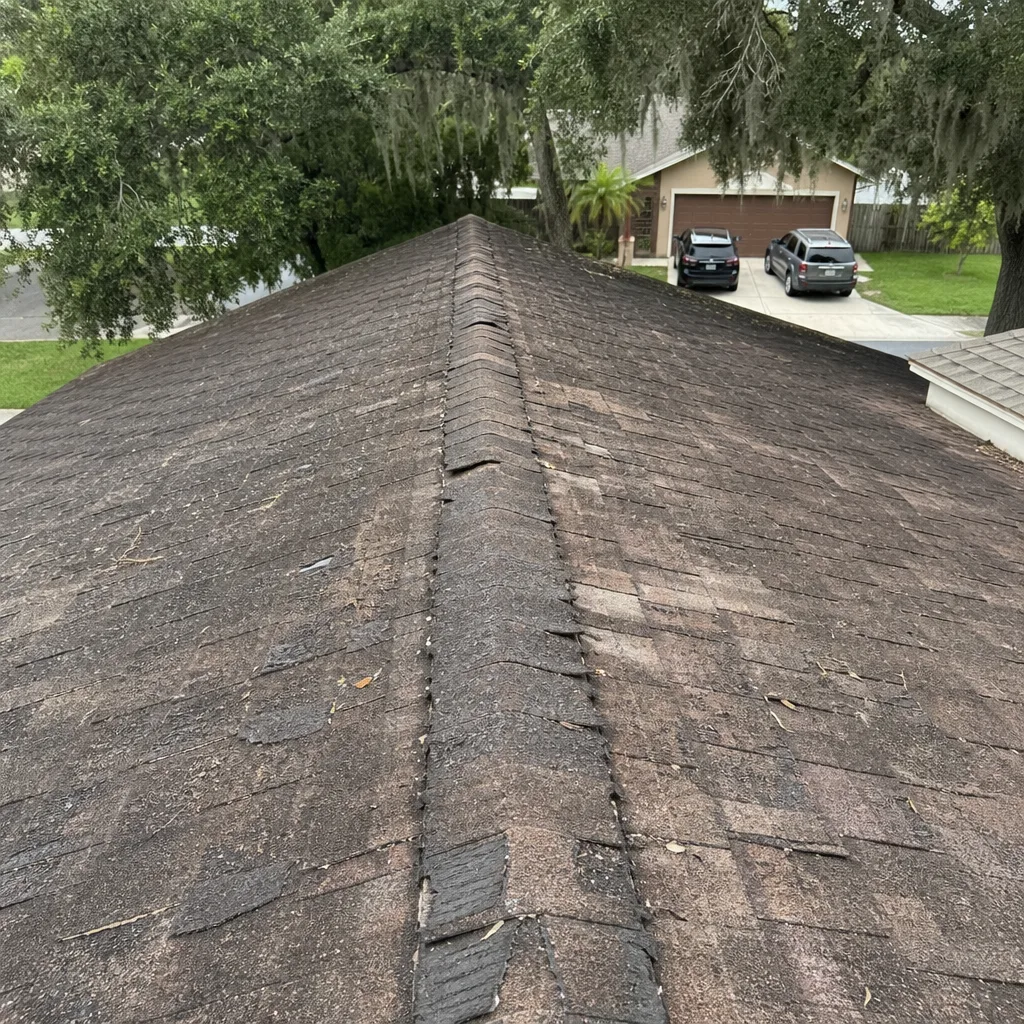 Before
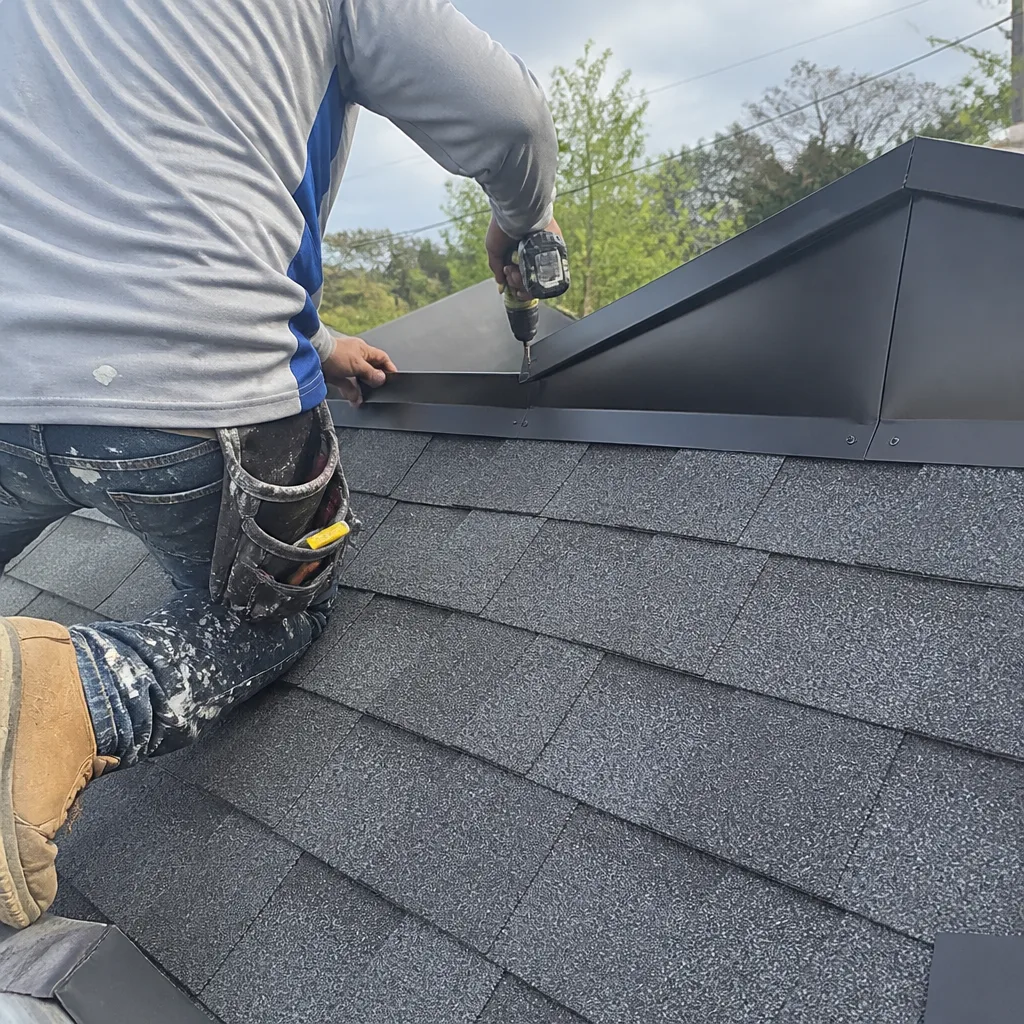 After
After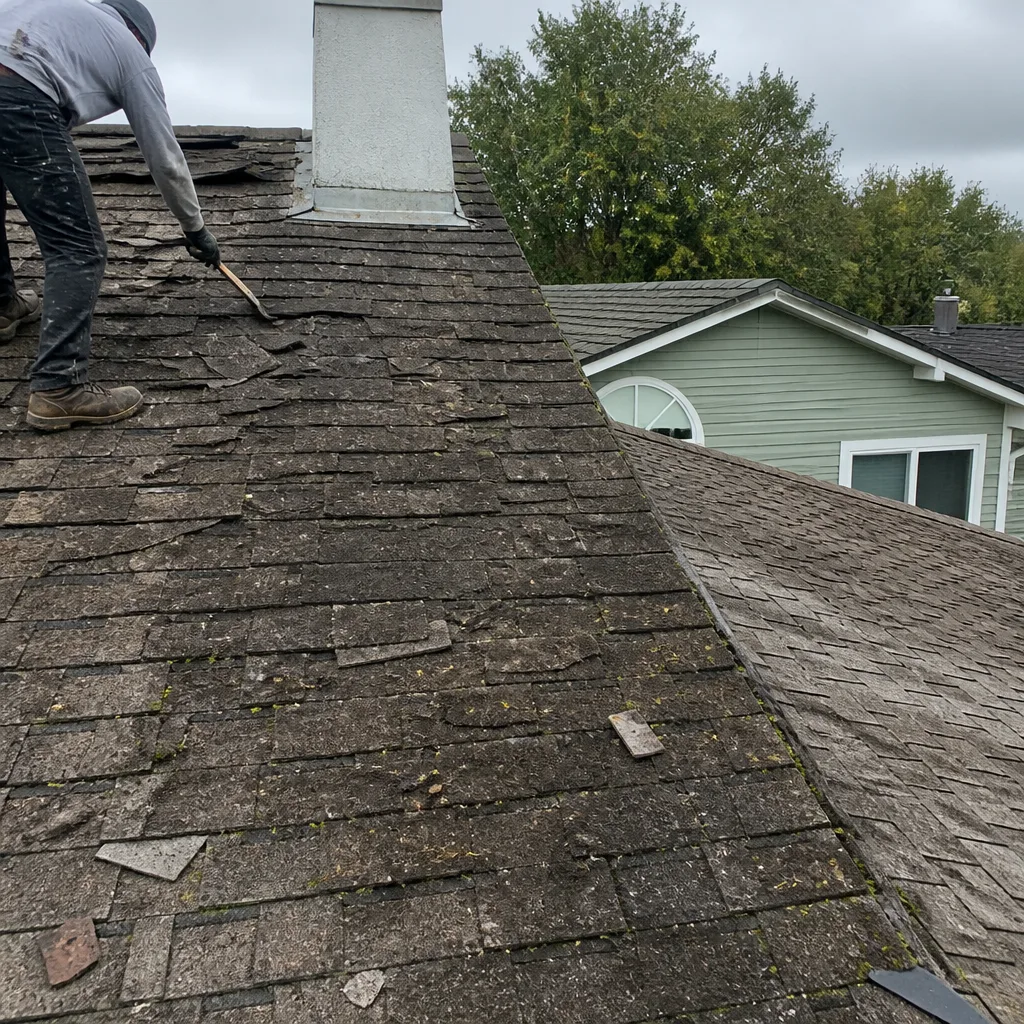 Before
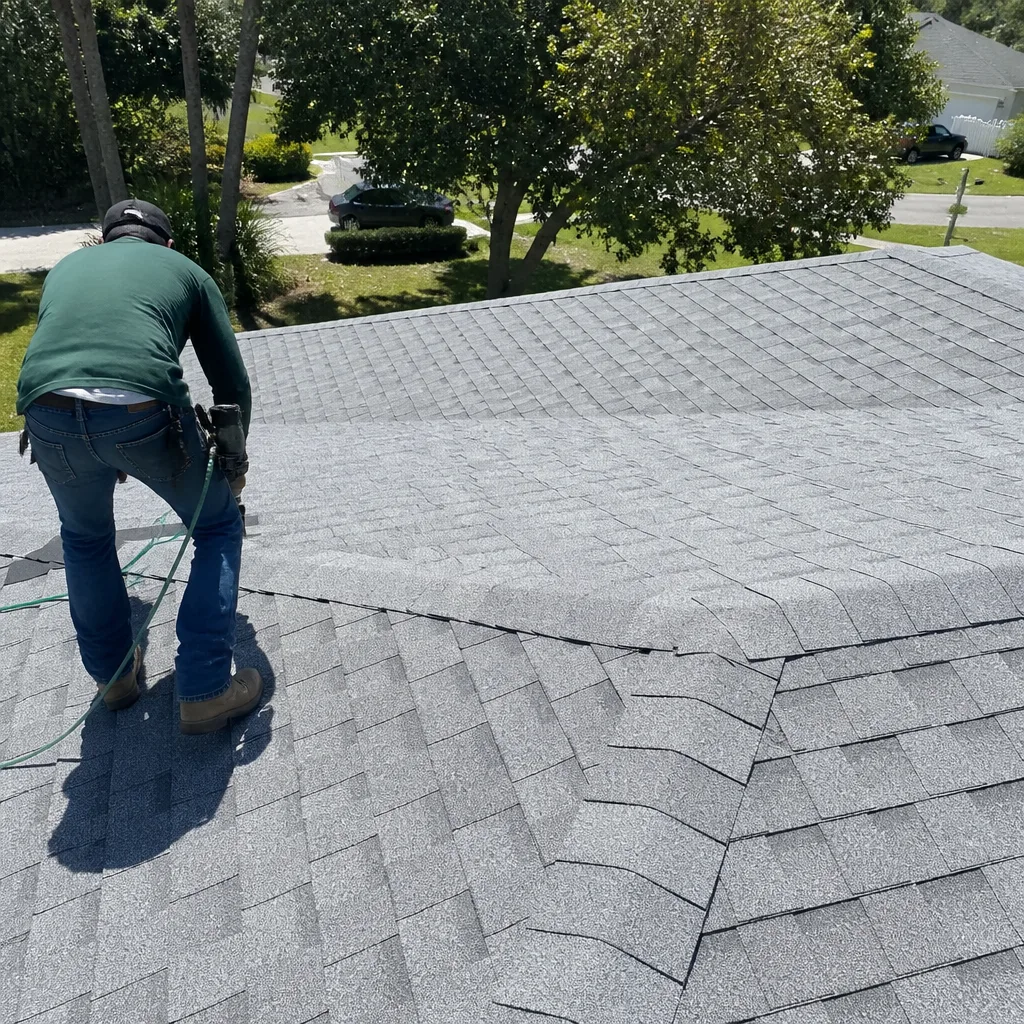 After
After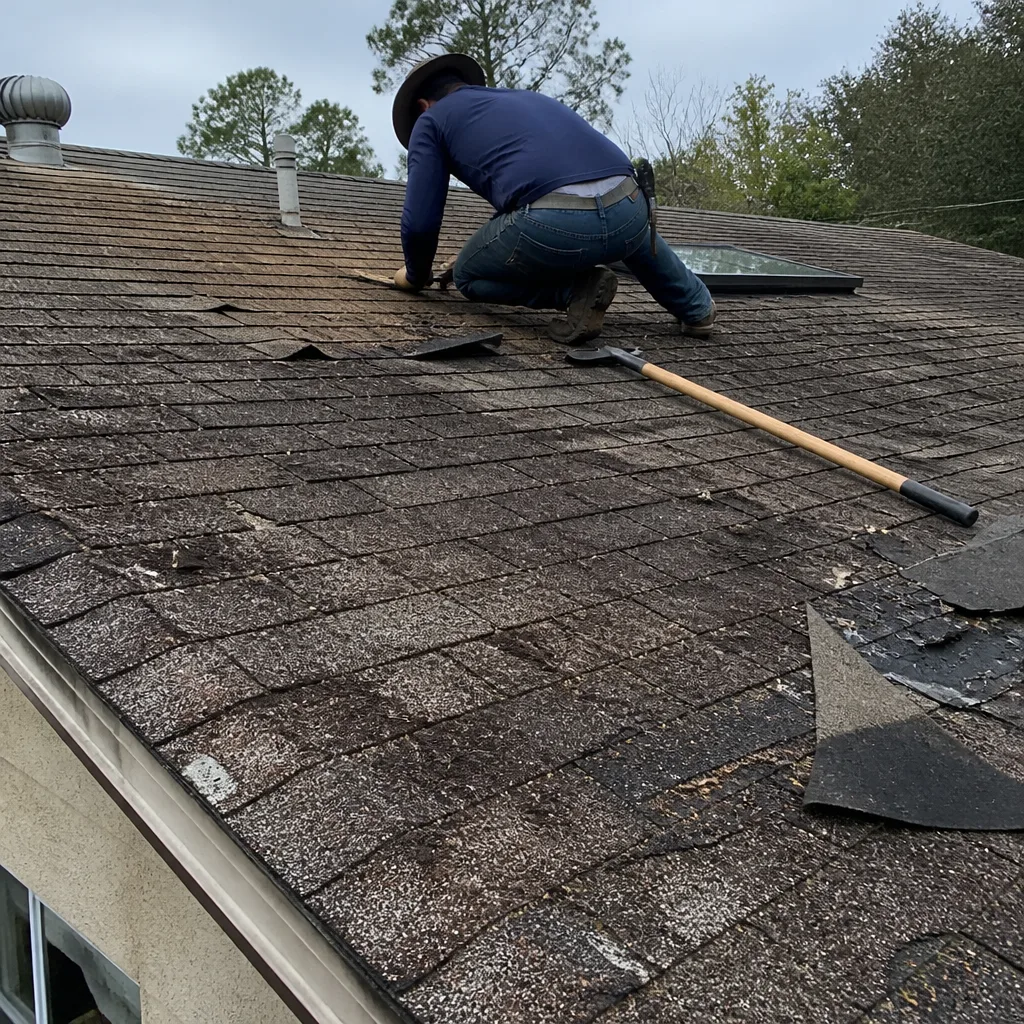 Before
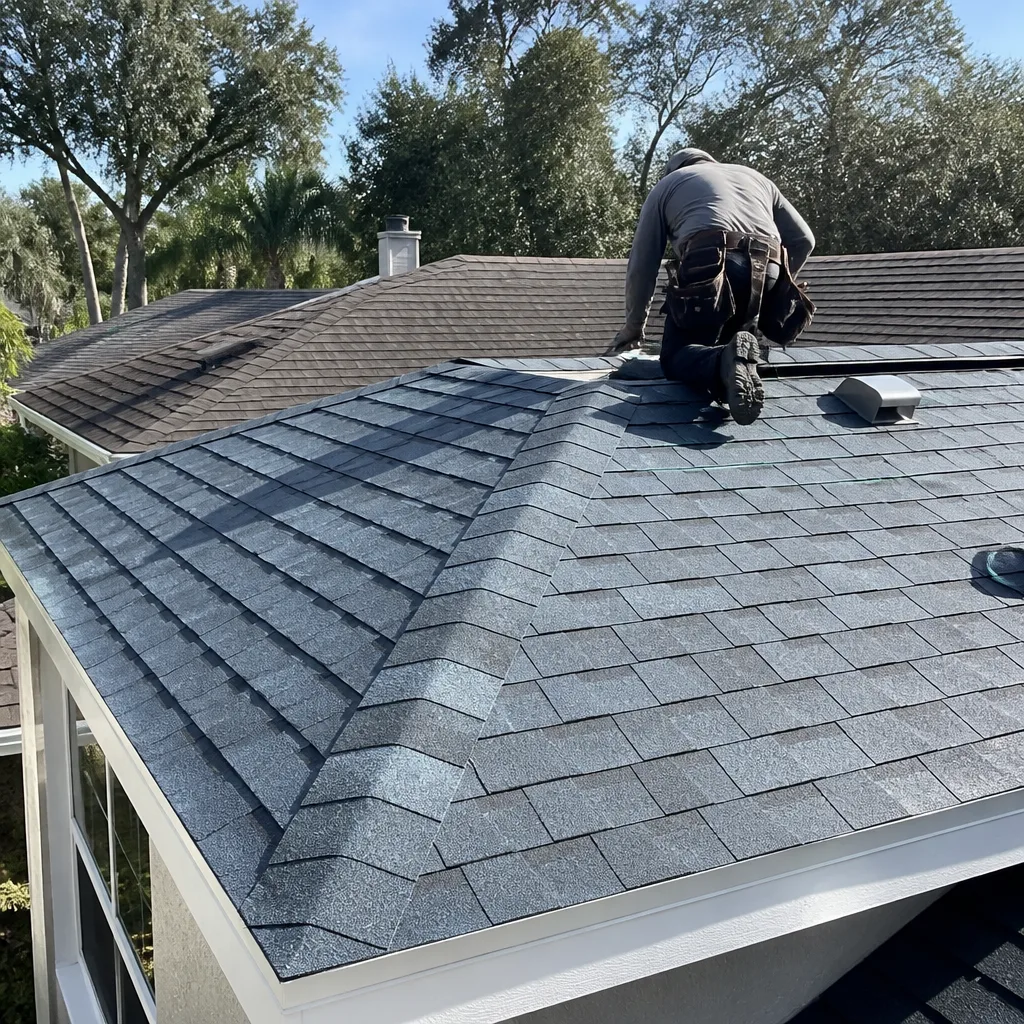 After
AfterWhen to Call a Professional
Call a licensed roofer in Tampa when: you see water stains on a ceiling or an attic wall; you lose shingles to a storm and the underlayment is exposed; you find daylight in the attic; your home fails a four-point inspection; your insurer requests contractor documentation you cannot provide; or you are planning to sell within two years and want the cleanest possible roof file. These are not edge cases. They are the normal shape of roofing life in a coastal Florida city with a hurricane season. For more guides & resources, visit our blog. Birchbark Roofing Tampa offers free estimates in Tampa, and you can reach us at (850) 600-8577. A live person answers the phone around the clock.
Frequently Asked Questions
Yes, but only under the owner-builder permit exemption, which requires you to own and occupy the home and to sign a disclosure statement accepting contractor-level liability. The exemption does not exempt the work from code compliance, does not enable wind mitigation insurance credits, and does not transfer to a buyer if you sell within 12 months. For most Tampa homeowners, the exemption creates more legal exposure than it resolves.
A full roof replacement on a typical 2,000-square-foot Tampa home runs between $12,000 and $20,000, depending on material choice, roof pitch, and decking condition. A DIY approach might reduce the upfront cost to $6,000 to $9,000 in materials, but the insurance and resale consequences typically erase that savings. Your exact number should be provided in writing before any work starts.
A DIY roof does not automatically void your policy, but it can prevent you from binding a new policy, trigger a cancellation within the first 60 days of a policy term, or lead to a full claim denial after a storm. Florida insurers require contractor license documentation and a finaled permit before they underwrite a re-roofed home. An owner-builder permit does not satisfy that requirement.
Minor repairs that do not affect structural integrity may not require a permit in Tampa, but the threshold is narrow. Replacing a few shingles, securing a loose piece of flashing, or clearing debris are generally permit-free. Removing and replacing underlayment, repairing decking, or altering any structural component requires a permit, and doing that work without one creates a documentation gap that insurers and buyers will find later.
A wind mitigation inspection evaluates the roof-to-wall connection, deck attachment, roof covering, and opening protection of your home, and it is the document that unlocks insurance premium discounts of up to 45 percent in Tampa. A professional roofing installation produces the permit records and manufacturer warranties that the inspection form requires. A DIY installation cannot produce those records, which means the homeowner forfeits the recurring insurance savings permanently.
Most Tampa roof replacements take between two and five days, depending on roof size, pitch, and weather interruptions. A DIY re-roof on the same home typically takes two to four weekends, and it leaves the home vulnerable to Tampa’s afternoon thunderstorms during the entire period. The speed and weather management of a professional crew are part of what the labor cost buys.
The Bottom Line
The DIY roofing question in Tampa is settled less by skill than by statute. Florida’s owner-builder rules, insurance documentation requirements, and resale disclosure laws mean that a correctly installed DIY roof can still cost you your policy, your sale, or both. The legitimate DIY scope is narrow: gutters, attic checks, ground-level monitoring. Everything above that threshold belongs in the hands of a licensed contractor who can produce the paperwork that protects your family’s investment. Birchbark Roofing Tampa has been serving Tampa since 2000, and we bring a written price to every job before the first nail goes in. Call (850) 600-8577 to schedule your free estimate, and learn more about roof repair in Tampa or roof replacement in Tampa.
Written by Erik Lindgren, Owner at Birchbark Roofing Tampa, serving Tampa since 2000.