
Last updated October 17, 2026
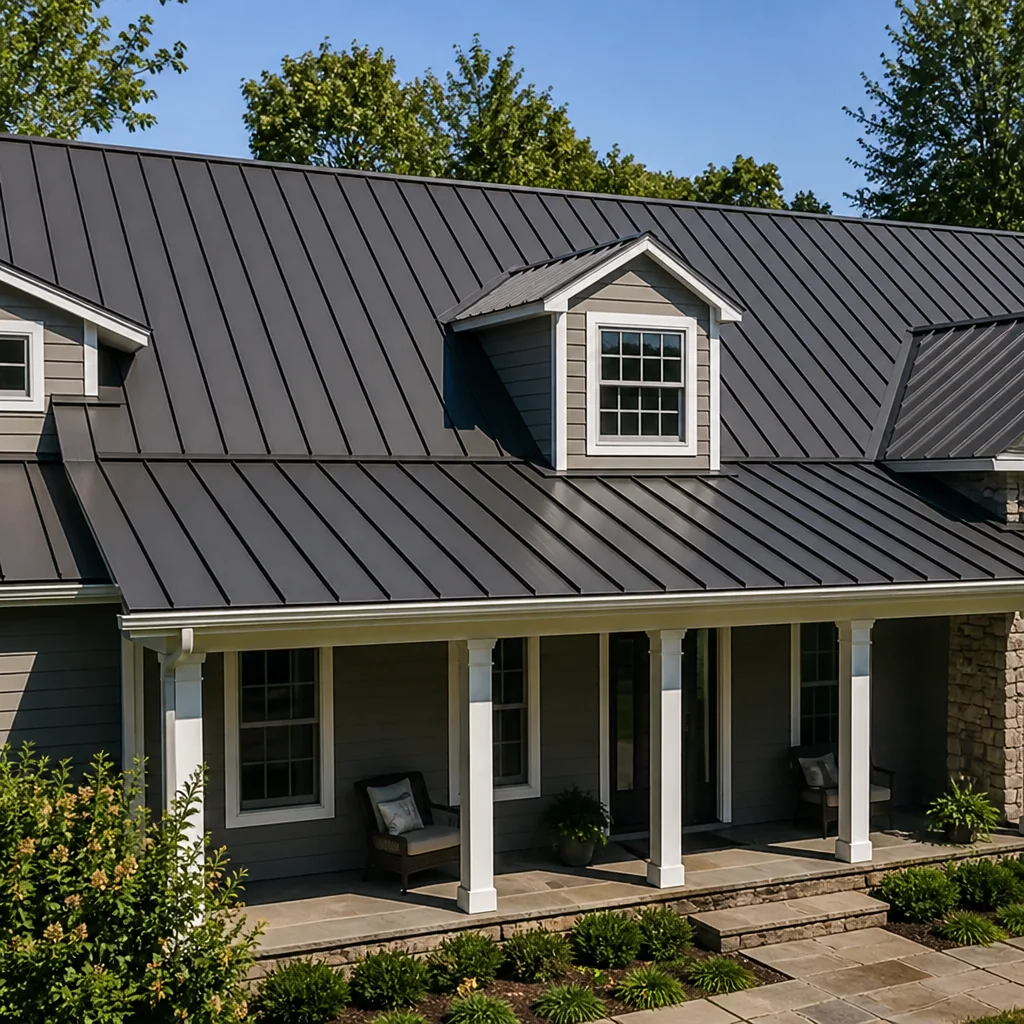 Metal roofing
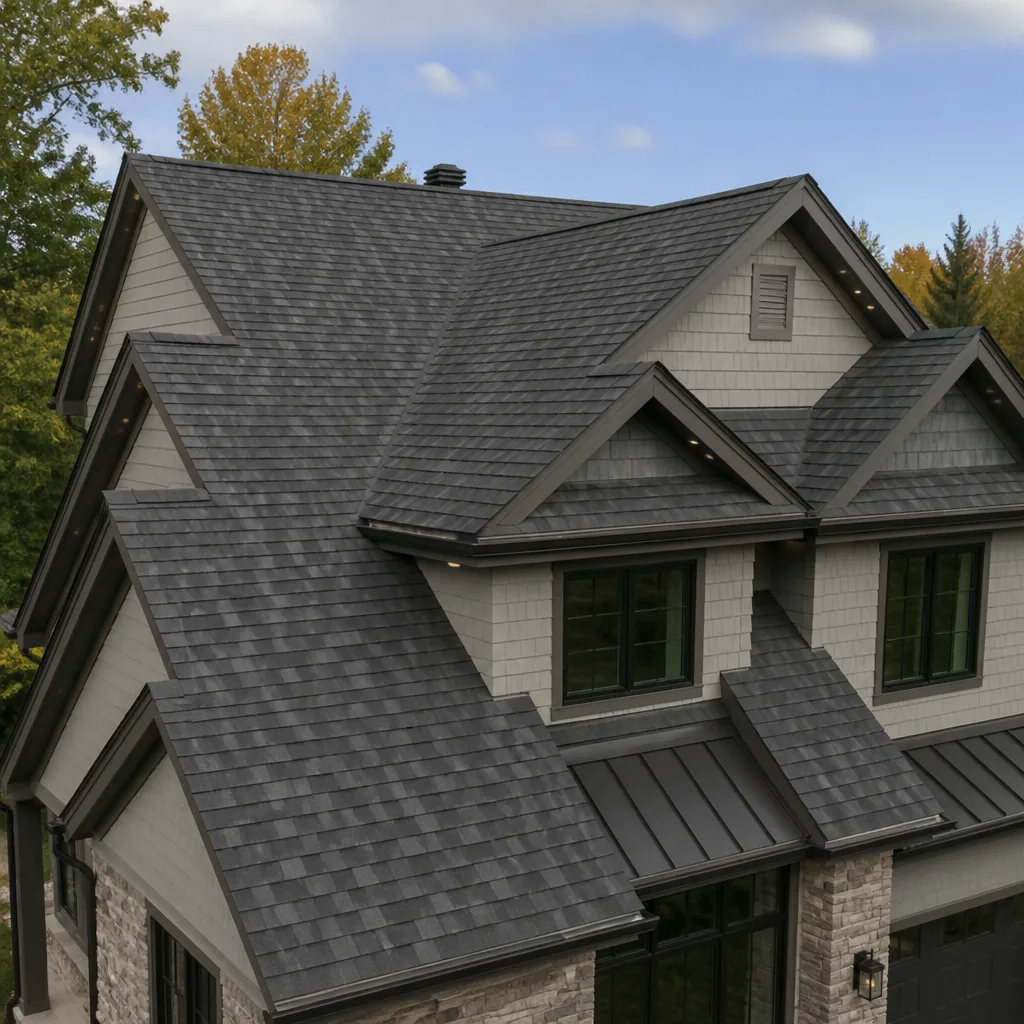 Architectural shingles
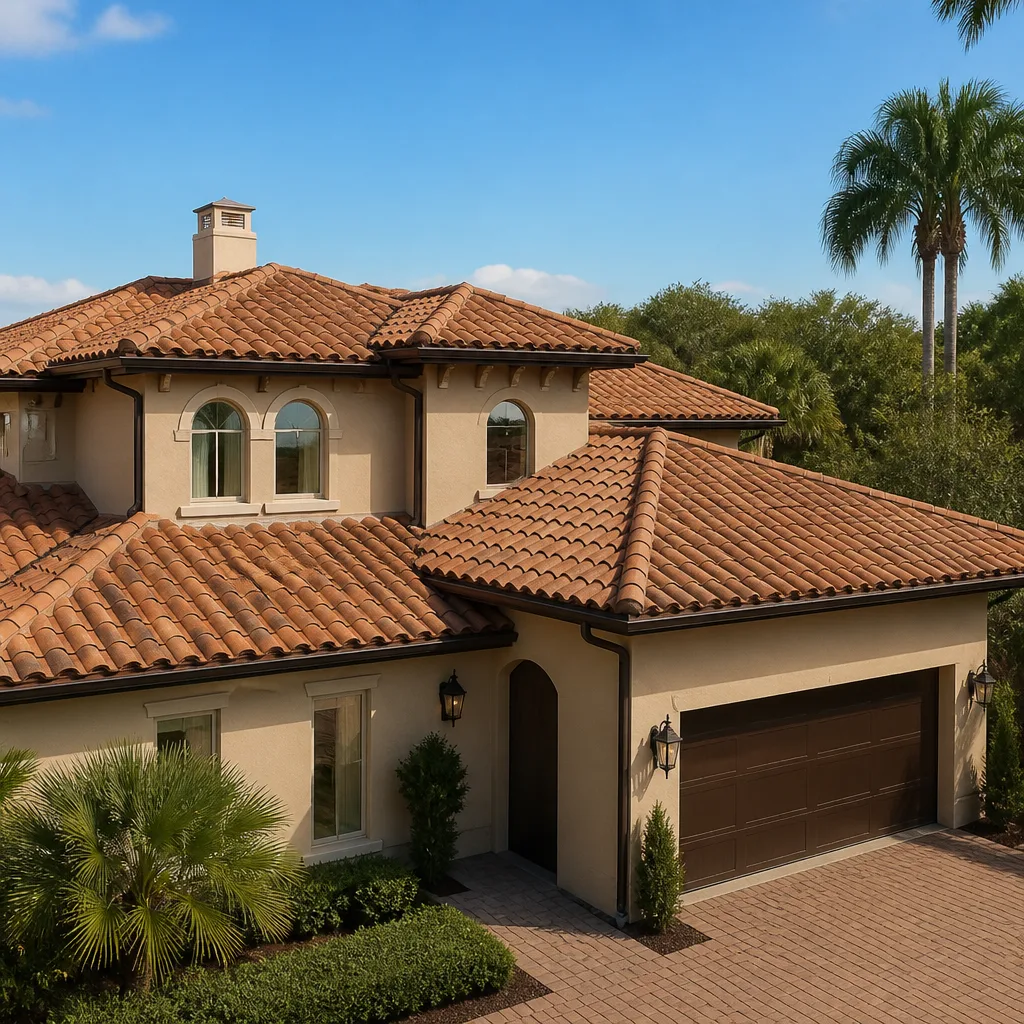 Tile roofing
 GAF
GAF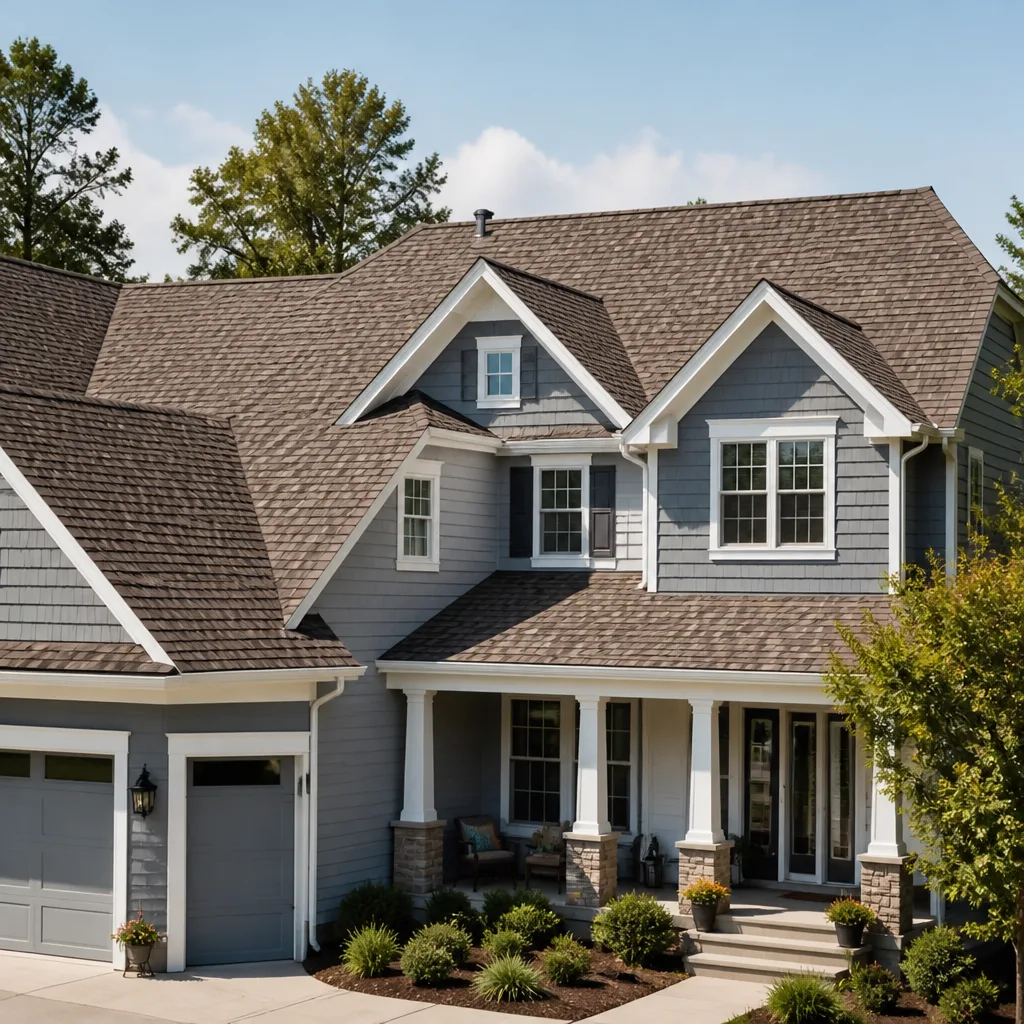 Owens Corning
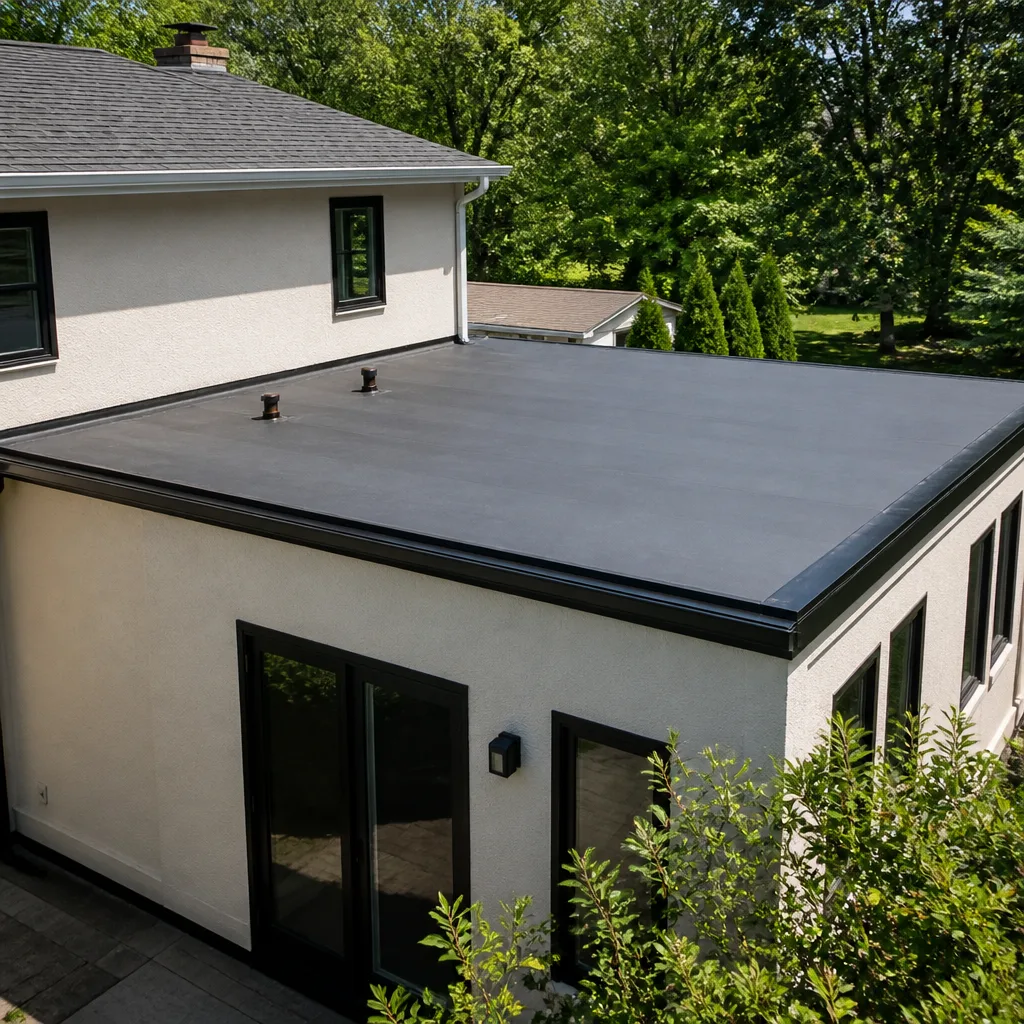 Flat & low-slope
Free roof inspection with deck photos before we talk money - GAF and Owens Corning certified installation
Roofing Cost Breakdown: The Tampa Homeowner’s Reference for 2026
Two Tampa roofing estimates for the same house can legitimately differ by $4,000 and both be honest, or one can be dishonest, and the homeowner can’t tell the difference without knowing what each line item means. That gap in understanding is where money leaks out of a project, either through overpaying for items you don’t need or underpaying for protection you’ll wish you had. This guide teaches you to read a Tampa roofing estimate line by line, so you’re comparing the same job, not just the same number. For roofing warning signs every Tampa homeowner should watch for, see our companion guide. We’ll walk through the anatomy of a legitimate estimate, 2026 material costs for the three roof types most common in Tampa, the real cost of permits here, and the math that tells you whether to repair or replace.
Styles & brands we work with
Quick Answer
A full roof replacement in Tampa in 2026 typically costs between $8,500 and $22,000 depending on roof size, material type, pitch, and the condition of the decking underneath, while a targeted repair runs $450 to $1,800. Architectural shingles remain the most common Tampa roof and usually land between $5.50 and $7.50 per square foot installed, with tile running $9 to $16 per square foot. Every legitimate estimate should include materials, labor, permit fees, disposal, underlayment, flashing, and a written price before work starts.
Table of Contents
- The Anatomy of a Legitimate Tampa Roofing Estimate
- 2026 Material Costs for Tampa’s Three Most Common Roof Types
- Why Tampa Permit and Inspection Fees Hit Different
- Repair or Replace: The 50% Rule and Remaining Life Math
- What a Written Price Guarantee Should Include
- Labor Costs in Tampa’s 2026 Market
- Hidden Costs That Shouldn’t Be Hidden
- Common Mistakes to Avoid
- When to Call a Professional
- Frequently Asked Questions
- The Bottom Line
The Anatomy of a Legitimate Tampa Roofing Estimate
A roofing estimate is not a guess written on a business card. A legitimate Tampa estimate is a line-by-line document that tells you exactly what gets torn off, what goes back on, what gets hauled away, and what it all costs. When an estimate is vague, the contractor is either planning to cut corners or planning to come back later with a change order. Either way, the written number you agreed to stops meaning anything. Here is what every legitimate Tampa roofing estimate should contain, line by line.
First, tear-off and disposal. This is the cost to remove your old roof down to the decking and haul every bit of it away. In Tampa, disposal fees run higher than in many parts of Florida because of landfill tipping fees in Hillsborough County, and any estimate that doesn’t list disposal separately is folding an unknown into a number you can’t verify. A tear-off on a 2,000-square-foot roof typically runs $1.50 to $2.50 per square foot, including the dumpster or trailer haul.
Second, underlayment. This is the waterproof barrier between your decking and your shingles or tile. Tampa’s building code requires a specific underlayment standard, and Florida’s high-wind and high-humidity climate makes the underlayment choice genuinely consequential. Some estimates quote a basic synthetic underlayment and leave the upgraded peel-and-stick option as an add-on. That’s legitimate if it’s spelled out. What’s not legitimate is an estimate that doesn’t mention underlayment at all, which means it’s either assumed at the cheapest possible spec or not included.
Third, materials. This line should name the manufacturer, not just say “shingles.” Owens Corning, IKO, and Atlas are common in Tampa, and each has different warranty tiers and price points. The estimate should specify the product line, which matters for both cost and the warranty you’ll actually be able to claim.
Fourth, flashing. Flashing is the metal that seals the places where the roof meets a wall, chimney, skylight, or pipe. In Tampa, flashing corrodes faster than people expect because of salt air and heavy rain cycles. A legitimate estimate lists flashing replacement separately, including the type of flashing and where it goes. If flashing is not on the estimate, the contractor is planning to reuse the old metal, and reused flashing is the number one source of leaks after a re-roof.
Fifth, labor. Sometimes bundled with materials, sometimes listed separately. It should never be a mystery. The labor line is where you see what the crew costs, and in Tampa’s 2026 market, labor has been rising because of a shortage of experienced roofers and the physical demands of working on hot, steep roofs in Florida’s summer.
Sixth, permit and inspection fees. More on this below, but the estimate should show the permit cost as a line item. See Roofing Permits, Codes & Inspections in FL: What You Need to Know for deeper detail. If it doesn’t, either the contractor is not pulling permits, which is a problem you’ll own later, or the permit cost is buried somewhere you’ll be charged for it anyway without seeing the number.
Seventh, any optional items clearly marked as optional. Ridge vents, gutter guards, upgraded shingle styles, solar attic fans. These are legitimate add-ons when they’re listed separately and priced in writing. They become a problem when they’re woven into the base number without being explained, because then you can’t compare one estimate to another.
Here’s what a typical legitimate line-item list looks like for a Tampa roof replacement, in the order you’ll usually see it:
- Tear-off of existing roof to decking: $1.50 – $2.50 per sq. ft.
- Decking inspection and any replacement of rotted sections: quoted per sheet, typically $65 – $90 per 4×8 sheet if replacement is needed, with a clear statement of how many sheets are assumed
- Underlayment (synthetic or peel-and-stick, per code): $0.40 – $0.90 per sq. ft.
- Shingles or tile (named manufacturer and product line): varies widely, see the section below
- Flashing replacement (pipe boots, valleys, walls, chimney): $300 – $900 depending on roof complexity
- Labor: $2.00 – $4.50 per sq. ft. depending on material and roof pitch
- Permit and inspection fees (Hillsborough County / City of Tampa): $250 – $600
- Disposal and hauling: $400 – $800
- Optional add-ons, listed separately: ridge vents, gutter work, skylight replacement, etc.
When you get an estimate that has all of these lines, you can compare it to another estimate that also has all of these lines, and now you’re comparing the same job. When one estimate is missing several of these lines, that contractor is either going to add them later as a change order or skip the work entirely, and both of those outcomes are worse than the higher bid.
2026 Material Costs for Tampa’s Three Most Common Roof Types
Roof material prices in Tampa have been climbing steadily for five years, and 2026 is not the year they reverse. Supply chain pressure on asphalt, shipping costs for tile, and consistent demand from Florida’s storm-replacement cycle all push material numbers upward. Here is what you should expect to pay, in real Tampa dollars, for the three roof types you’ll see most often in this market.
3-tab asphalt shingles remain the budget option, and they’re still common on Tampa homes built before 2000. A 3-tab shingle roof in Tampa runs $3.80 to $5.00 per square foot installed in 2026, meaning a 2,000-square-foot roof lands between $7,600 and $10,000. The material itself is cheap, but the labor is not, and 3-tab shingles have a shorter service life, often 15 to 20 years in Florida’s heat. Homeowners on a tight budget often choose 3-tab once and then upgrade to architectural the next time, which is a reasonable strategy if the budget demands it now.
Architectural shingles are the most common roof on Tampa homes being replaced today. They cost more than 3-tab but hold up better to wind and heat, and most manufacturers rate them for 25 to 30 years. In 2026, architectural shingle roofs in Tampa run $5.50 to $7.50 per square foot installed, or $11,000 to $15,000 for a 2,000-square-foot roof. Owens Corning, IKO, GAF, and CertainTeed all produce architectural lines with different warranty levels, and the difference between a mid-tier and premium architectural shingle can be $1.00 to $1.50 per square foot. The premium buys you a thicker shingle and a longer wind warranty, which matters in a city that sits in the crosshairs of every Gulf hurricane season.
Tile roofs are the premium option and common on Tampa homes with Mediterranean or Spanish architecture, especially in neighborhoods like Palma Ceia, Bayshore Beautiful, and parts of South Tampa. Tile installation in Tampa runs $9 to $16 per square foot in 2026, meaning a 2,000-square-foot roof lands between $18,000 and $32,000. Clay tile sits at the higher end and concrete tile at the lower end. Tile lasts 40 to 50 years when properly installed, and it sheds water beautifully, which is why it’s been used in Florida for centuries. But tile is heavy, and the decking under it must be in good shape, which sometimes adds structural reinforcement cost before the tile goes down.
Here is a quick benchmark table for a 2,000-square-foot roof, the most common size for a single-story Tampa ranch or a two-story home with a moderate footprint:
- 3-tab asphalt shingle: $7,600 – $10,000 installed
- Architectural shingle: $11,000 – $15,000 installed
- Concrete tile: $18,000 – $26,000 installed
- Clay tile: $22,000 – $32,000 installed
These ranges assume no major decking replacement and no structural surprises. A roof with multiple valleys, steep pitches, or three stories will run higher because labor hours climb when the crew is working on a steeper surface or hauling materials higher. The point of these benchmarks is not to lock in a number, but to give you a reference point so that when a Tampa contractor hands you an estimate, you can tell whether it sits inside the normal range or somewhere strange.
We’ve re-roofed homes in South Tampa where the architectural shingle price per square foot came in closer to $7.50 because the roof had five valleys and a steep gable, and the labor hours reflected it. The same product on a simple hip roof in Carrollwood might come in closer to $5.75. Roof geometry matters as much as roof material, and a good estimate explains that rather than just quoting a lower number.
Why Tampa Permit and Inspection Fees Hit Different
You cannot compare a Tampa roofing estimate to a national price guide and get an honest answer, because those guides rarely include Hillsborough County permit fees and City of Tampa inspection requirements. A roof replacement in Tampa requires a building permit, and that permit triggers at least one and sometimes two inspections during the job. The permit itself runs $250 to $600 depending on the scope and the jurisdiction, and it is a real cost that any legitimate contractor must include in the estimate.
Skipping the permit is possible if you hire a contractor who is willing to work outside the system, and it will save you a few hundred dollars on the front end. Here is what skipping the permit actually costs. When the work isn’t permitted, there is no inspection record, no code compliance verification, and no official paper trail that the roof was replaced. When you sell the house, the buyer’s home inspector may flag the unpermitted roof, and the title company may require the roof to be brought up to code before closing. That means paying for another roof, or a retrofit, at a time when you have no leverage and the buyer does. The few hundred dollars you saved by skipping the permit becomes thousands, plus the stress of redoing the work under a closing deadline.
Permitted work also protects you in an insurance claim. Florida insurance companies have been tightening requirements since the 2022 hurricane season, and many carriers now want proof that a roof was permitted and inspected before they’ll pay a full replacement claim. A roof installed without a permit is a reason for the carrier to reduce the payout, and in some cases deny the claim. In Tampa, where every homeowner’s insurance policy already carries hurricane risk, you don’t need another reason for the carrier to look for a way out.
The inspection itself is worth paying for even beyond the permit. A Hillsborough County inspector checks that the underlayment is installed correctly, the nailing pattern meets code, and the flashing is done right. That’s a second set of eyes on the most consequential work being done on your home. We’ve had inspectors catch small issues on our own jobs before the final inspection, and that’s the system working, not a nuisance. Any contractor who resists permits and inspections is telling you something about how they feel about oversight.
Repair or Replace: The 50% Rule and Remaining Life Math
Most Tampa homeowners don’t actually know whether their roof needs repair or replacement, and they’re relying on a contractor to tell them. Here is the math that tells you the truth, in the order you should apply it.
- Estimate the remaining useful life of your current roof. A 3-tab shingle roof lasts 15 to 20 years in Tampa’s heat and rain. An architectural shingle roof lasts 25 to 30 years. Tile lasts 40 to 50 years. If your roof is at 80% or more of its expected life, replacement is the financially sound choice even if only one section is failing.
- Calculate how much of the roof actually needs attention. If the problem is one small leak around one pipe boot, a $500 repair makes sense even on an older roof. If the problem is widespread granule loss, curling shingles, or leaks in multiple places, you’re no longer repairing a roof, you’re chasing failures one at a time.
- Apply the 50% rule. If the cost of all needed repairs equals 50% or more of the cost of a full replacement, replace the roof. This rule is commonly used by insurance adjusters, but it is useful for homeowners independent of any claim. Suppose your repair estimate is $7,000 and a full replacement is $13,000. You’re past the 50% mark, and the replacement is the better financial decision because you’re buying a new warranty, a new uniform surface, and 25 years of life instead of patching a roof that’s already near the end.
- Factor in the cost of repeated repairs over the next five years. A $1,200 repair that buys two years, followed by another $1,800 repair, followed by another $2,400 repair, puts you at $5,400 and still leaves you with an old roof. At some point, the repair path costs more per year of service than the replacement path, and the math is not close.
Tampa’s climate accelerates roof aging faster than most of the country. The UV exposure is intense year-round, the humidity never leaves, and the summer storms come with wind and driving rain. A 20-year shingle in Ohio might last 22 years, but in Tampa it is more likely to last 17 or 18. When you calculate remaining life, use Florida numbers, not national averages.
For a deeper look at the repair decision, see our guide to Roof Repair in Tampa, where we break down the most common repairs and what they should cost.
What a Written Price Guarantee Should Include
A written price is not a nice-to-have. It is the single most important document in a roofing project, and the language of that document determines whether you’re protected or exposed. Here is what a written price guarantee should include, and what vague estimate language leaves you open to.
A legitimate written price names the scope of work, the materials by manufacturer and product line, the payment schedule, and the total dollar amount, all before any work begins. It states what happens if the scope changes, because sometimes the decking underneath the old roof reveals rot that couldn’t be seen before the tear-off. The agreement should specify the price per sheet of decking if replacement is needed, so you’re not negotiating a change order at a moment when the roof is already torn open and you have no leverage. And it should state the workmanship warranty in writing, with the duration and what the contractor will do if something goes wrong.
Vague estimate language is the opposite of this. “We’ll see what we find when we get up there” means you have not been given a price, you’ve been given a starting point. “Decking replacement as needed” with no per-sheet price attached means the contractor can name any number once the old roof is off and you can’t easily say no without leaving the job half-finished. “Standard underlayment” without naming the product means you don’t know what spec is going on your roof, and underlayment is not a place to guess in Florida.
Birchbark Roofing Tampa’s standard is a written price in dollars, before any work starts, always included, never optional. The written price names the materials, the scope, the permit cost, and the total. If the decking needs replacement beyond what the estimate assumed, the per-sheet cost is already in writing, so the change order is a known number applied to an unexpected condition, not a negotiation. This is what a written price guarantee looks like, and it’s the benchmark against which any Tampa roofing estimate should be measured.
Our Roofing Company in Tampa page spells out how we handle the written price, the clean-up, and the rest of the job.
Labor Costs in Tampa’s 2026 Market
Roofing labor in Tampa has become the most volatile line item in any estimate. The city’s construction market has been running hot for years, and the supply of experienced roofing crews has not kept pace with the demand from new construction, storm repairs, and an aging housing stock. In 2026, labor for a shingle roof in Tampa runs $2.00 to $3.50 per square foot, and tile labor runs $3.50 to $5.50 per square foot, with the higher end of both ranges reflecting steep pitches, complex geometry, and high-season demand.
The roof itself shapes the labor cost more than most homeowners realize. A simple hip roof with a 4/12 pitch and no valleys is a fast, efficient job, and the labor number reflects it. A roof with dormers, multiple valleys, steep gables, or three stories takes longer, requires more safety equipment, and costs more per square foot even if the materials are identical. When you compare two estimates, look for whether the labor line was calculated from the actual roof geometry or copied from a square-footage chart.
One legitimate difference between estimates is whether the crew is paid hourly or by the job, and what kind of crew you’re getting. A roofing company that pays a fair wage and runs background-checked, uniformed technicians will have a slightly higher labor number than a company that picks up day labor and hopes for the best. That difference is not waste, it’s the cost of knowing who is walking through your door and onto your roof. When the estimate includes shoe covers and drop cloths as standard practice, the labor number is covering a crew that treats the home as a home, not a job site.
Hidden Costs That Shouldn’t Be Hidden
There are costs in a Tampa roofing project that are real but often left off the initial estimate, and you should know what they are so you’re not surprised when they appear later. The difference between a legitimate contingency and a hidden cost is whether it was disclosed in writing before the job started.
Decking replacement. The decking is the wood surface beneath the shingles, and in Tampa, years of humidity and the occasional leak mean some of it is usually rotted. A legitimate estimate includes an allowance for decking replacement in the initial written price, with a per-sheet cost stated. An estimate that doesn’t mention decking is either assuming it’s all perfect, which is rare in Tampa, or planning to surprise you with a change order after the tear-off.
Chimney and skylight flashing. If your roof has a chimney or skylight, the flashing around it is a common source of leaks, and it often needs more work than a basic re-flash. The estimate should list chimney flashing and skylight flashing separately, with a real number. If those items are missing from the estimate, you’ll be asked to approve an add-on mid-job.
Drip edge and fascia. Drip edge is the metal along the roof’s edges that directs water into the gutter, and it’s required by code, but some estimates omit it or price the cheapest option. Fascia boards, the wood behind the gutters, are exposed to water and rot in Tampa’s climate, and replacing rotted fascia adds cost that should be visible in the estimate.
Dumpster fees and transportation. Most estimates include a disposal line, but the number varies with the distance to the nearest Hillsborough County landfill and the number of loads required. If a contractor is quoting a disposal number that seems too low, they may be planning an extra trip charge later, or worse, planning to leave debris on your property.
Permit and inspection scheduling. The permit fee is a hard number, but waiting for inspections takes crew time, and some contractors charge for that wait. A legitimate estimate builds the inspection time into the labor number. An estimate that says “plus permit fees” is fine, but an estimate that says “plus permit fees and inspection delays” is handing you an open line item you can’t price.
These are not reasons to avoid a roof replacement. They are reasons to read the estimate carefully and ask about the lines that are missing. A contractor who is transparent about decking, flashing, drip edge, and disposal is a contractor who has done this before and is not afraid of the details.
Common Mistakes to Avoid
- Comparing only the bottom-line number. Two estimates can differ by $4,000 and both be honest, if one includes decking replacement, upgraded underlayment, and new flashing while the other quietly omits them. Compare the line items first, then compare the totals.
- Accepting an estimate without a written price. If the number isn’t on paper in dollars, you don’t have a price, you have a conversation. The moment a contractor says “we’ll work it out as we go,” the budget is gone.
- Skipping permits to save money. In Tampa, the permit and inspection fees are small compared to the cost of unpermitted work discovered during a home sale or an insurance claim. The savings don’t survive contact with reality.
- Reusing old flashing to cut cost. Flashing rusts and fails faster than the shingles it protects, especially near the Gulf. New flashing on every replacement is the standard, and any estimate that doesn’t include it is cutting the wrong corner.
- Not asking about decking in advance. In Tampa’s humid climate, rotted decking is common, and it is much cheaper to plan for it than to discover it after the tear-off. The estimate should state the per-sheet cost before work starts.
- Choosing the cheapest 3-tab shingle when the home will be sold within five years. A buyer’s home inspector will flag a 3-tab roof near the end of its life, and the buyer will ask for a credit anyway. Spending slightly more on architectural shingles now often pays for itself at the sale.
- Not checking that the crew is background-checked and uniformed. You’re inviting strangers onto your property and around your family. The labor savings from an unvetted crew is not worth the cost of not knowing who is at your door.
When to Call a Professional
Roofing is not a project where the right decision is obvious from the ground. Call a professional when you see water stains on the ceiling, when shingles are curling or missing after a storm, when granules are accumulating in the gutters, or when you’re buying or selling a home and need an honest assessment of the roof’s condition. You should also call before you assume a leak is small, because water travels through the attic and the entry point may be nowhere near the visible stain. Birchbark Roofing Tampa offers free estimates in Tampa, call (850) 600-8577, and a live person answers the phone 24 hours a day, seven days a week.
For a full replacement estimate, start with our Roof Replacement in Tampa guide, which walks through the process from written price to final clean-up photo.
Frequently Asked Questions
A roof replacement in Tampa in 2026 costs between $8,500 and $22,000 for most homes, with architectural shingle roofs on a 2,000-square-foot home landing between $11,000 and $15,000 and tile roofs running higher. The exact number depends on roof size, material, pitch, and the condition of the decking. Call (850) 600-8577 for a written estimate on your specific roof.
Yes, a legitimate Tampa roofing estimate includes Hillsborough County and City of Tampa permit and inspection fees as a line item, typically $250 to $600. If the estimate doesn’t mention permits, the contractor is either skipping them or planning to add them later, and both outcomes cost you more in the end.
The 50% rule says that if the cost of all needed repairs equals 50% or more of the cost of a full replacement, you should replace the roof instead of repairing it. The rule accounts for the fact that repeated repairs on an aging roof cost more per year of service than a new roof with a full warranty.
A 3-tab shingle roof in Tampa lasts 15 to 20 years, an architectural shingle roof lasts 25 to 30 years, and a tile roof lasts 40 to 50 years, though Tampa’s heat, humidity, and summer storms shorten those numbers compared to cooler climates. Regular inspection and prompt repair stretch the service life of any roof.
A legitimate Tampa roofing estimate includes full clean-up as a standard line item, not an add-on, including hauling away old shingles, nails, and debris. At Birchbark Roofing Tampa, the crew uses shoe covers and drop cloths inside the home, and you get a photo of the completed clean-up before the crew leaves.
The written price should not change unless the contractor discovers a genuine hidden condition, like rotted decking, that couldn’t be seen before the tear-off, and even then, the per-sheet cost should already be in the written estimate. Any contractor who says the price could change for unclear reasons is not giving you a written price, they’re giving you an opening number. Call (850) 600-8577 and we’ll put your exact number in writing before any work starts.
The Bottom Line
Tampa roofing estimates confuse homeowners because different contractors bundle different things, and the only defense is knowing what belongs in the estimate and refusing to accept one that’s missing lines. Permits matter more in Tampa than national price guides suggest, the 50% rule answers the repair-or-replace question with simple math, and a written price with clear per-sheet contingencies protects you from change-order surprises. The three roof types common in Tampa each have a real 2026 price range, and the differences between them are driven by material cost, labor on your specific roof geometry, and the honesty of the estimate in front of you. Compare line items, not just totals, and you’ll make a decision you can defend.
Ready to see your roof’s exact number in writing? Call (850) 600-8577 for a free estimate from Birchbark Roofing Tampa home. You’ll get a written price before any work starts, shoe covers and drop cloths on every visit, and a clean-up photo before the crew leaves.
Written by Erik Lindgren, Owner at Birchbark Roofing Tampa, serving Tampa since 2000.
See the difference
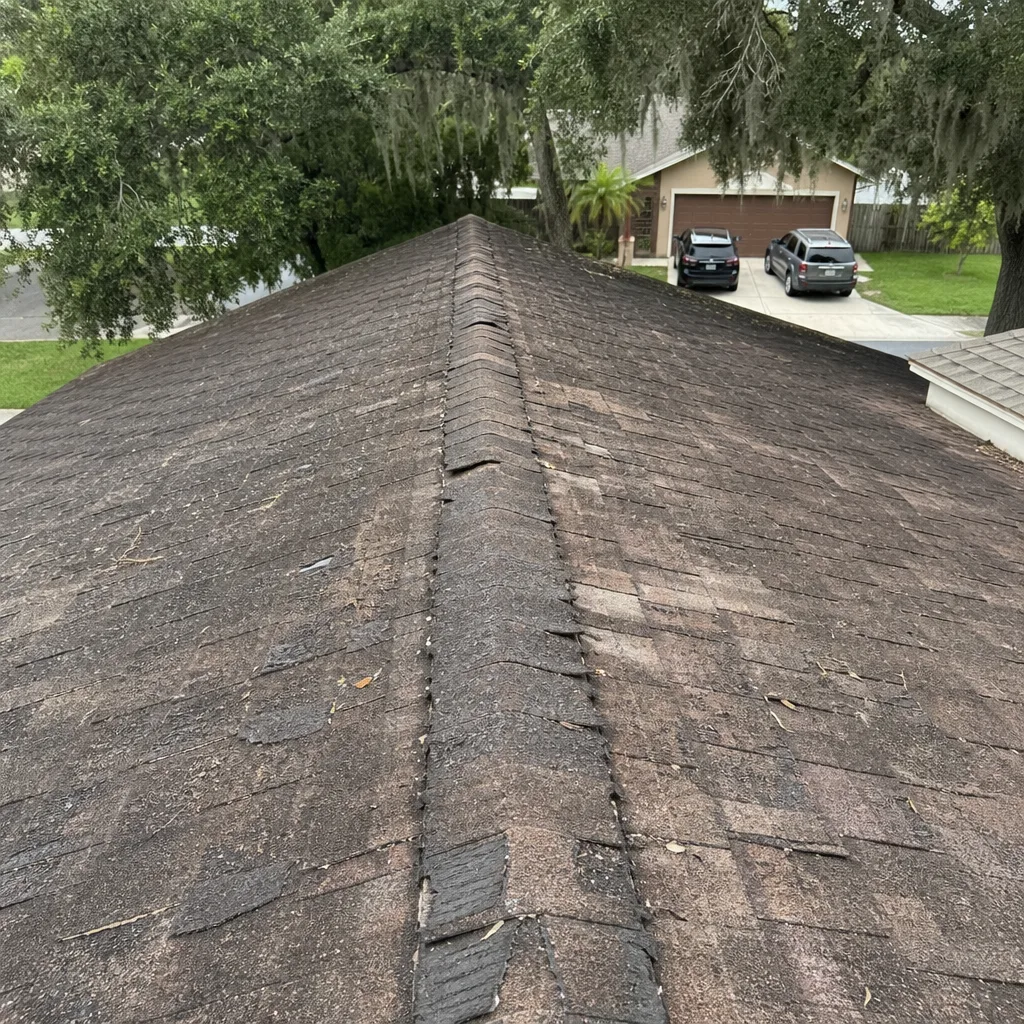 Before
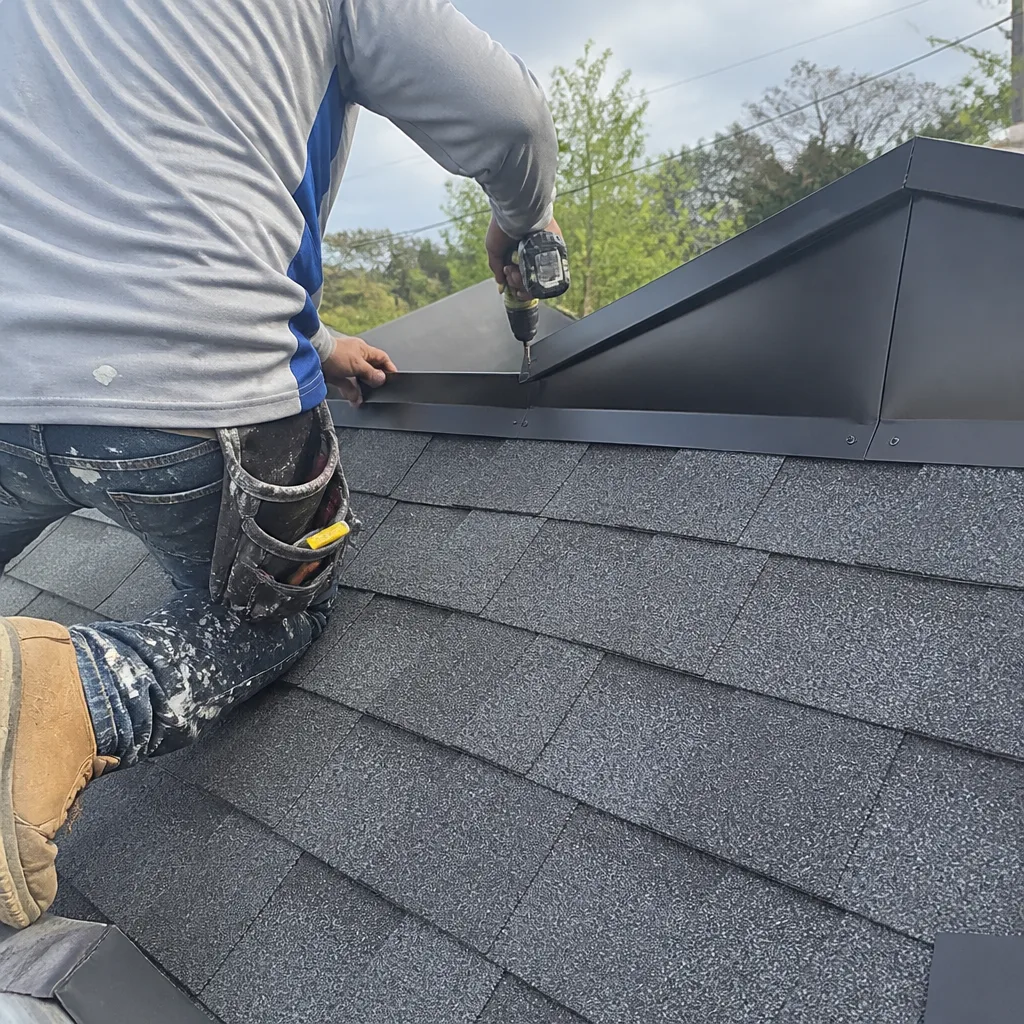 After
After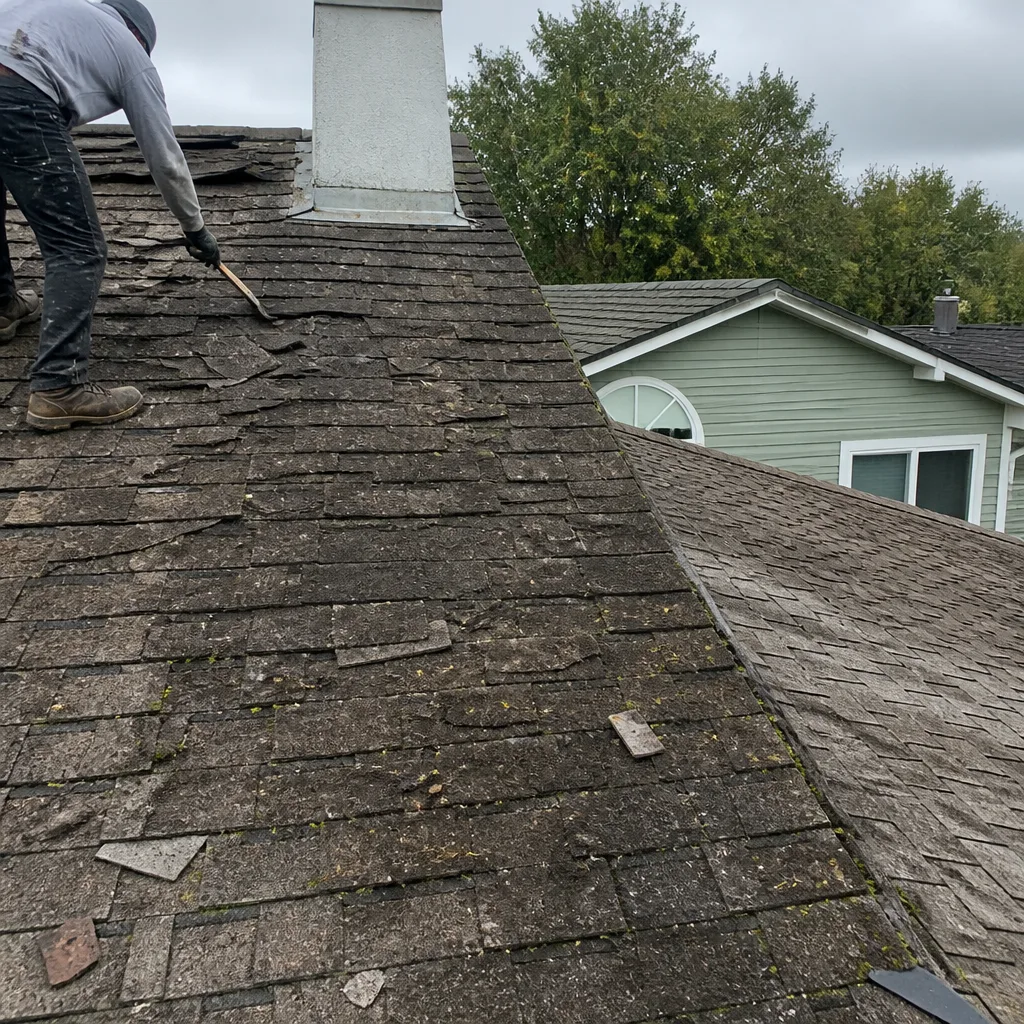 Before
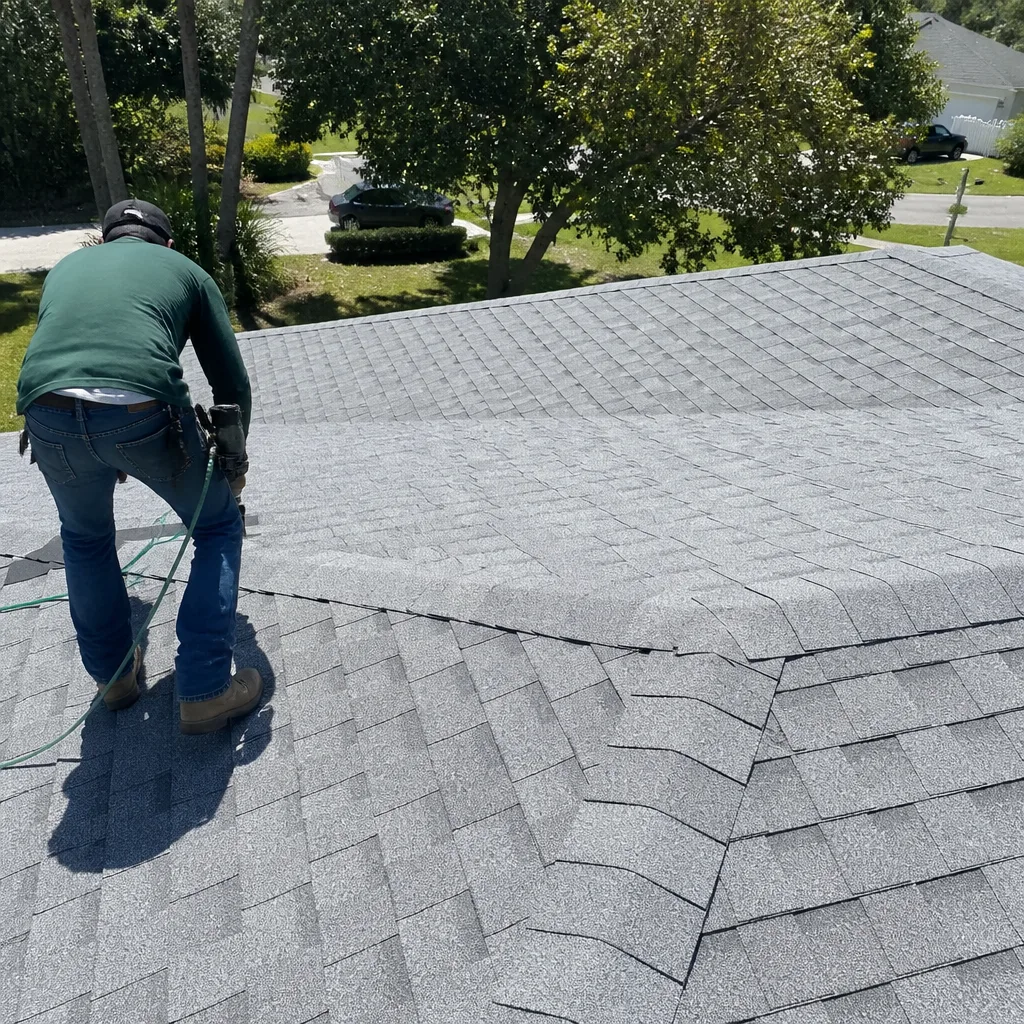 After
After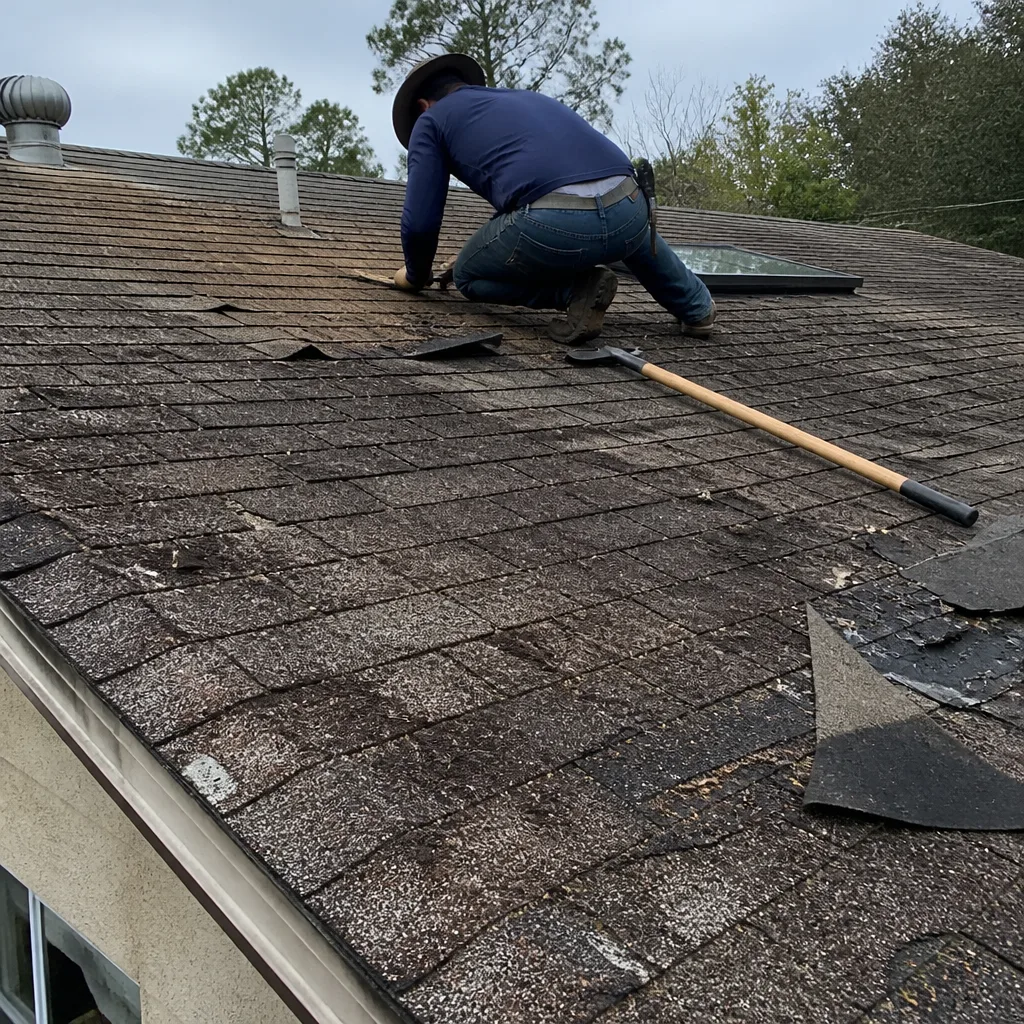 Before
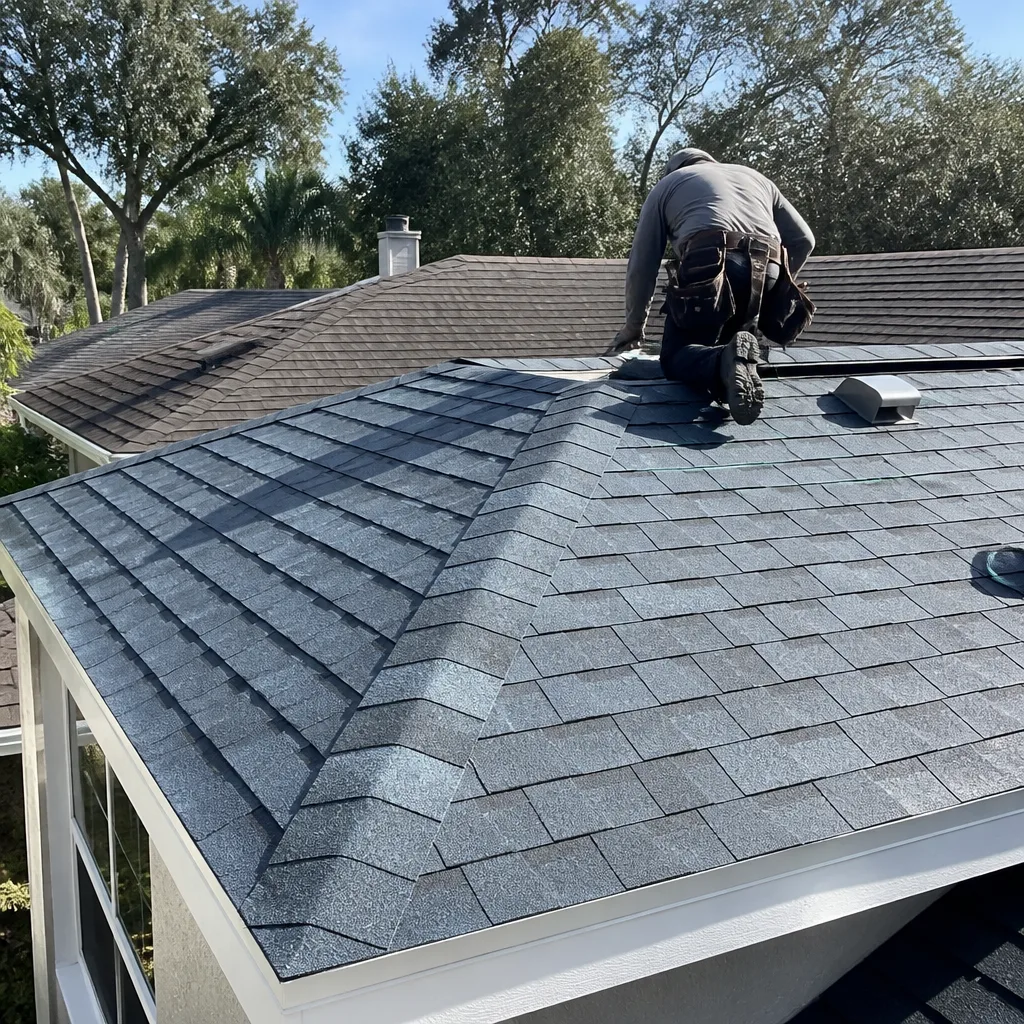 After
After