
Last updated October 17, 2026
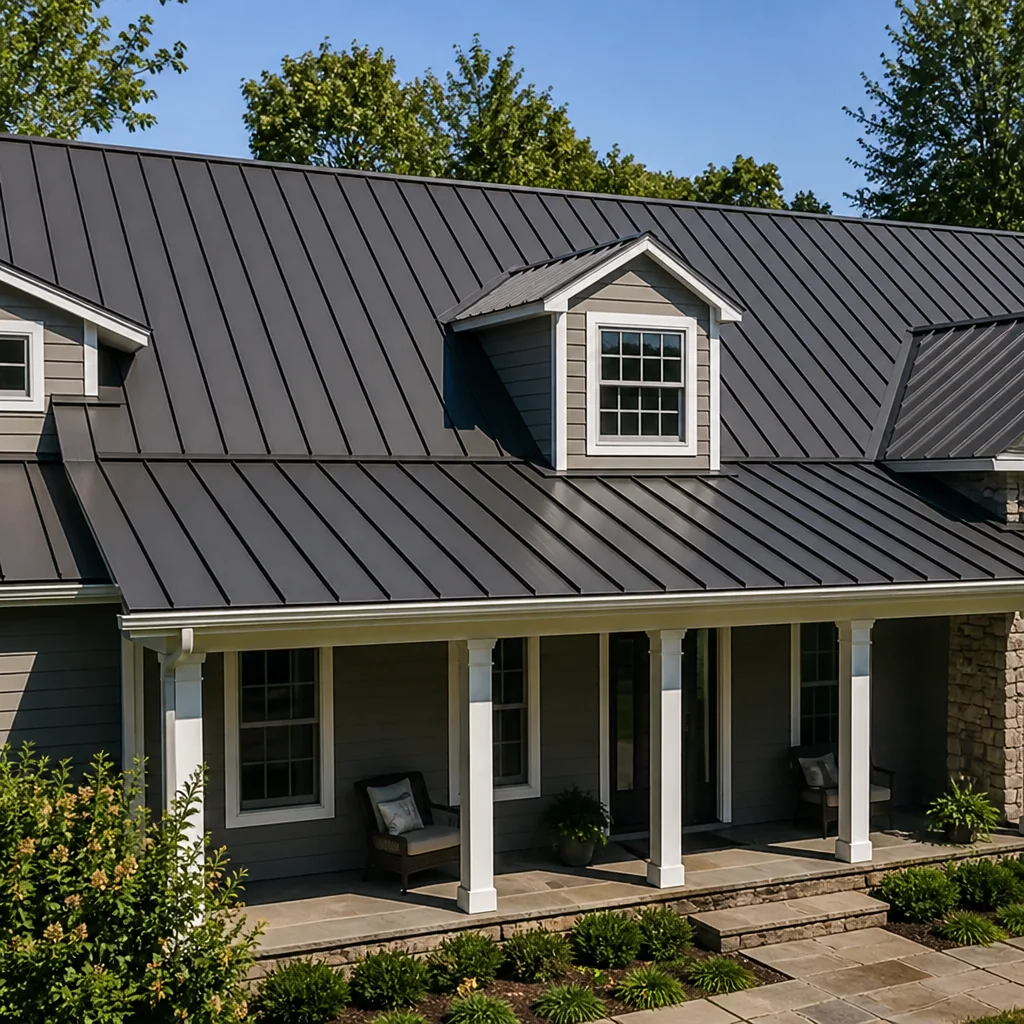 Metal roofing
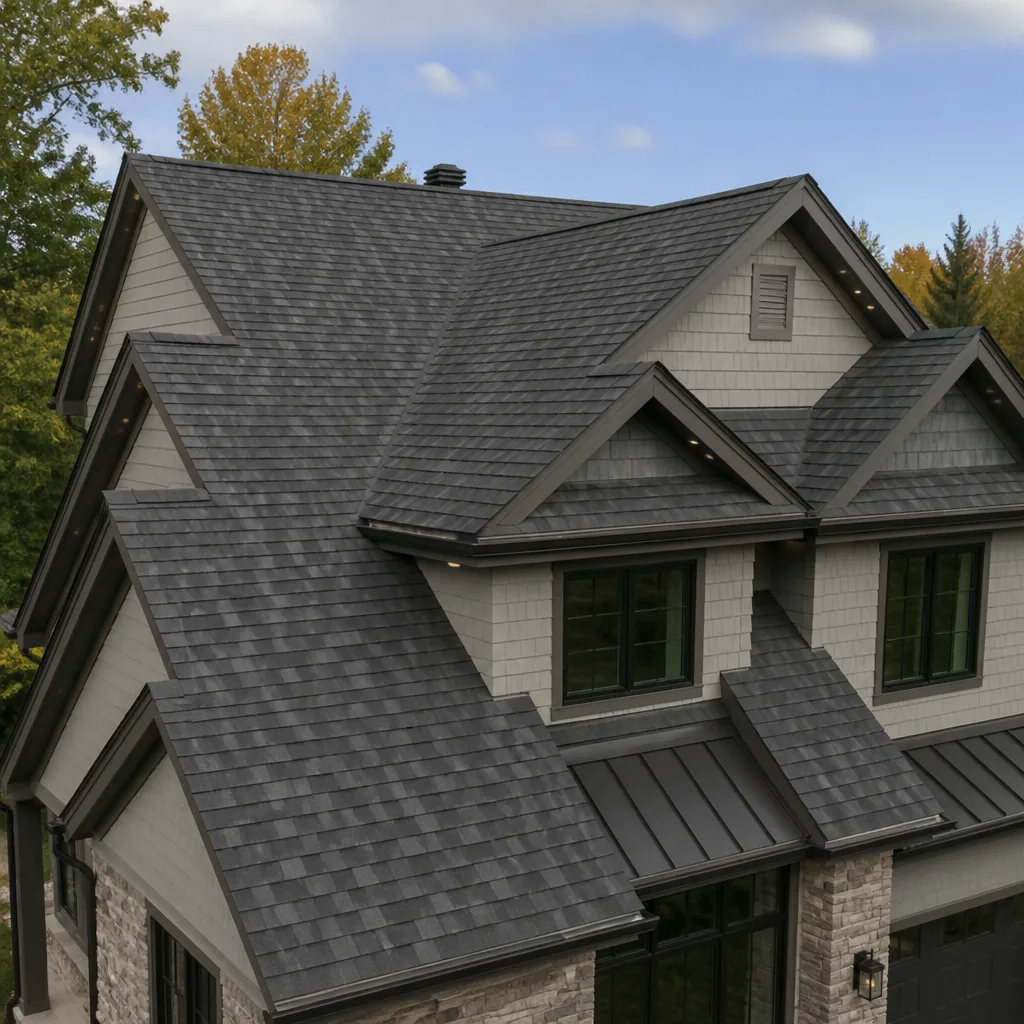 Architectural shingles
 Tile roofing
 GAF
GAF Owens Corning
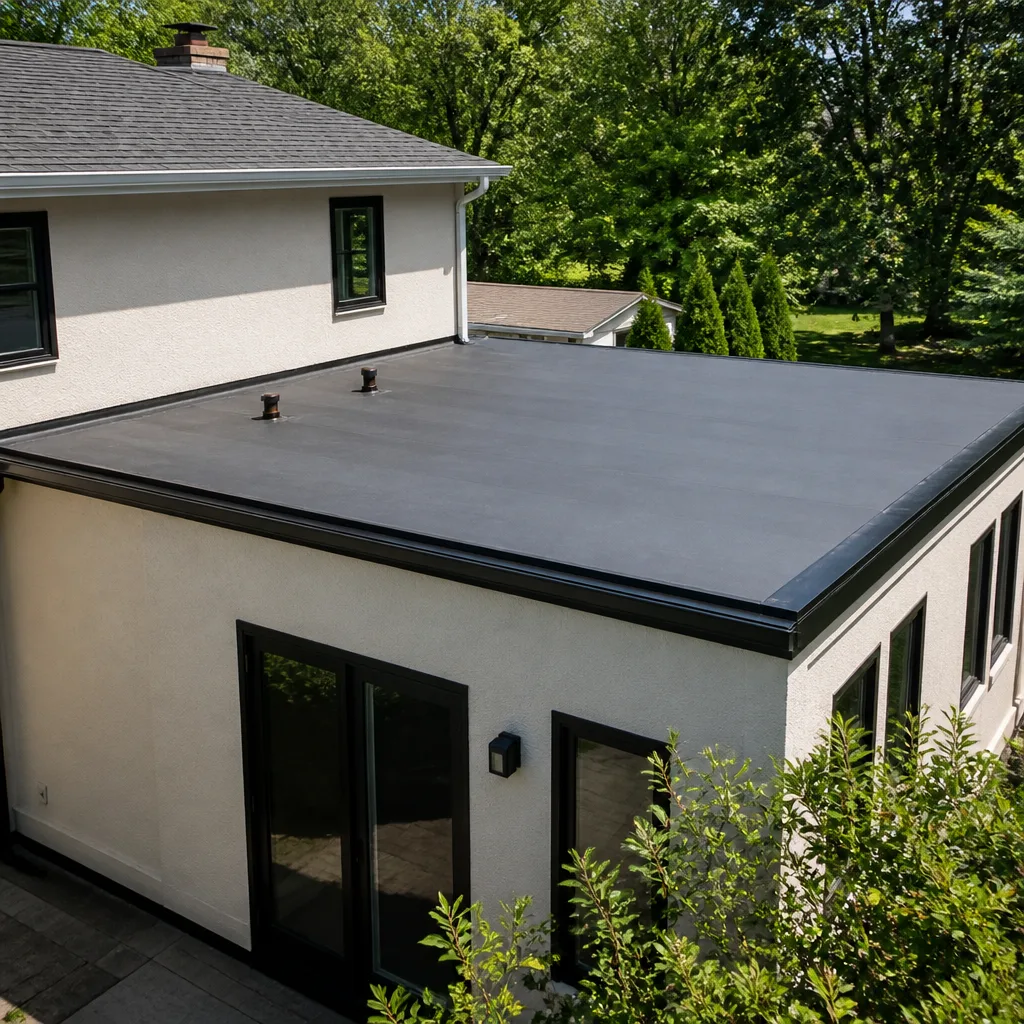 Flat & low-slope
Free roof inspection with deck photos before we talk money - GAF and Owens Corning certified installation
Roofing Permits, Codes & Inspections in FL: What You Need to Know
Florida real estate agents report that unpermitted roof work is one of the top three deal-killers in Tampa home sales. In most of those cases, the homeowner had no idea the permit was never pulled. They paid a contractor, watched the new shingles go on, and assumed the job was legal. Then the title search came back. This guide explains what Florida law and Hillsborough County actually require for roofing permits, who is legally responsible for pulling them, what each inspection covers, and how to verify your permit was truly closed out after the job. For a broader look at roofing in the area, see The Complete Guide to Roofing in Tampa. If you own a home in Tampa, the information here could save you tens of thousands of dollars at resale.
Styles & brands we work with
Quick Answer
In Florida, any roof replacement or structural roof repair requires a building permit. The contractor, not the homeowner, is legally responsible for pulling that permit under Florida Statute 489. Hillsborough County requires a sequence of inspections: rough, final, and in many cases wind mitigation. If a permit is never pulled or never finaled, your homeowner’s insurance policy can be voided and your home sale can collapse at closing.
Table of Contents
- Florida Statute 489 Explained: Who Can Pull a Roofing Permit
- What Roofing Work Requires a Permit in Hillsborough County
- The “Pull It Yourself” Request: Why It’s a Red Flag
- Hillsborough County’s Inspection Sequence: Rough, Final, and Wind Mitigation
- How to Check Your Permit Status on the Hillsborough County Portal
- Unpermitted Roof Work: What It Does to Your Insurance and Your Sale
- Wind Mitigation Inspections After a Re-Roof: Insurance Savings Explained
- What to Do When a Contractor Did Unpermitted Work: The DBPR Process
- Common Mistakes to Avoid
- When to Call a Professional
- Frequently Asked Questions
- The Bottom Line
Florida Statute 489 Explained: Who Can Pull a Roofing Permit
Florida Statute 489 is the state law that governs contracting. Section 489.113 makes one thing very clear: a contractor cannot perform work that requires a permit unless that contractor has pulled the permit in their own name. That means the licensed roofing contractor you hire is the party legally obligated to obtain the roofing permit for your job. Not you.
There’s a specific reason this matters. Florida law requires that the person whose name is on the permit is the person responsible for the work meeting code. When a contractor pulls the permit, the contractor carries the legal liability for code compliance. If the roof fails an inspection, it’s the contractor’s problem to fix. If the roof develops a code violation later, the contractor’s insurance and bond are on the hook.
When a homeowner pulls the permit, all of that liability shifts. The homeowner becomes the “owner-builder” under Florida law. This classification comes with serious restrictions and consequences. Owner-builders are not allowed to sell or lease the property for one year after completing the work. They also become personally responsible for code compliance, which means if an inspector finds problems later, the homeowner pays for corrections out of pocket. And many homeowners’ insurance policies specifically exclude coverage for owner-builder work that goes wrong.
We’ve walked into Tampa homes where the previous owner pulled an owner-builder permit for a roof and sold the house within six months. The title company flagged it during escrow. The deal nearly died. The new buyer’s insurance carrier refused to bind coverage until the roof was re-inspected by a licensed contractor. It cost thousands of dollars and delayed closing by three weeks. That’s a real Tampa scenario, not a hypothetical.
The bottom line under Florida law is simple: a licensed roofing contractor pulls the permit, and the permit bears that contractor’s license number. If anyone tells you otherwise, you should ask why.
What Roofing Work Requires a Permit in Hillsborough County
Hillsborough County follows the Florida Building Code, which requires permits for roof work that goes beyond minor repairs. The distinction matters more than most homeowners realize.
Work that requires a permit in Hillsborough County:
- A complete roof replacement, even if you’re putting the same type of shingle back on
- Replacing any roof sheathing or decking, even partial sections
- Structural repairs to rafters, trusses, or any load-bearing framing
- Installing or replacing a roof covering, including shingle, tile, metal, or flat roof systems
- Adding roof-mounted equipment like solar panels or skylights, when flashing or penetrations are modified
- Any repair that affects more than one roofing square of material at a time
Work that generally does not require a permit:
- Replacing a few loose or damaged shingles in isolated spots, as long as the underlayment and roof deck are not touched
- Resealing flashings around a pipe or vent, provided no structural elements are removed
- Cleaning gutters or clearing debris from valleys and drains
- Applying a roof coating to a flat roof, provided the roof deck is not removed and no structural work is performed
Tampa’s climate is hard on roofs. The combination of intense UV exposure, afternoon thunderstorms, and hurricane season wind loading means a roof that’s 15 years old in Tampa often looks worse than a 25-year-old roof in Ohio. For tips on protecting your roof year-round, read Seasonal Roofing Care for Tampa: Year-Round Homeowner’s Guide. That wear accelerates the shift from minor repair to code-triggered replacement. A homeowner who tries to patch repeatedly eventually hits the point where the Florida Building Code says the entire roof covering must be brought up to current standards. That’s when the permit becomes non-negotiable.
If you’re unsure whether your project needs a permit, the Hillsborough County Development Services department can tell you. Our team at Roof Repair in Tampa also evaluates this on every estimate we write, so you know before you sign anything.
The “Pull It Yourself” Request: Why It’s a Red Flag
Here’s a scenario we hear about regularly from Tampa homeowners: a contractor quotes a roof replacement, the price looks good, and then the contractor says, “You can pull the permit yourself and save the permit fees.” Some homeowners accept this because it genuinely does save a few hundred dollars. What they don’t know is that the contractor is asking them to take on legal liability the contractor does not want.
There are three reasons a contractor might ask a homeowner to pull the permit:
- The contractor is not licensed. Unlicensed contractors cannot pull permits in their own name. They ask the homeowner to pull the permit so they can work under the homeowner’s owner-builder status. This is illegal, and it leaves the homeowner completely exposed if something goes wrong.
- The contractor’s license is suspended or has violations. A suspended license means no permit. Some contractors work around this by having homeowners pull permits. This is also illegal and usually indicates deeper problems.
- The contractor doesn’t want the inspection record attached to their license. This happens when a contractor has a history of failed inspections and doesn’t want another one on file. It’s a warning sign you should never ignore.
Florida’s Construction Industry Licensing Board actively investigates homeowner complaints about contractors who perform unpermitted work. But investigations take time, and the homeowner is the one living with the problem in the interim.
If a contractor asks you to pull the permit for a roof replacement, end the conversation. A licensed contractor who stands behind their work has no reason to avoid pulling the permit themselves.
Hillsborough County’s Inspection Sequence: Rough, Final, and Wind Mitigation
Hillsborough County requires specific inspection types for roofing projects, and the sequence matters. Skipping a step or performing the steps out of order creates the kind of incomplete permit record that insurance companies flag.
Here is the typical inspection sequence for a permitted roof replacement in Tampa:
- Rough inspection (also called deck or dry-in inspection). This happens after the old roof covering is removed and before the new shingles or tiles go on. The inspector verifies that the roof deck is sound, that the underlayment is installed correctly, that nail patterns meet Florida Building Code requirements, and that flashings are in place at eaves, valleys, and penetrations. If the deck has rotted sections, the inspector may require replacement before approving the rough inspection.
- Final inspection. This happens after the new roof covering is installed. The inspector checks shingle alignment, nail placement, ridge cap installation, valley treatment, edge metal, and overall workmanship. The inspector also verifies that the roof meets the current Florida Building Code wind load requirements for the Tampa area, which includes the specific nailing pattern and shingle rating required in the 130 mph wind zone.
- Wind mitigation inspection (recommended, sometimes required by insurer). This is a separate inspection, typically performed by a certified wind mitigation inspector, not the county building inspector. It documents specific features that resist wind damage: roof-to-wall connections, secondary water barriers, roof deck attachment, and opening protection. The results are submitted to your insurance company.
What happens if a contractor skips a required inspection? The permit stays in “open” status. In Hillsborough County, an open permit is a legal cloud on the property. It shows up in title searches. It can block a refinance. It can trigger cancellation of a home insurance policy. And a contractor who is willing to skip an inspection is a contractor who was not confident the work would pass.
How to Check Your Permit Status on the Hillsborough County Portal
Hillsborough County runs a public online portal where any homeowner can look up their property’s permit history. This takes about five minutes, and it’s something every Tampa homeowner should do after any roof work is completed.
Here’s the process, step by step:
- Go to the Hillsborough County Development Services website and find the “Permit Search” or “Public Records / Permit Inquiry” portal.
- Enter your property address. Use the same format as your property tax bill.
- Look for the roofing permit issued to your contractor. Check the date it was issued and the contractor’s name and license number.
- Check the permit status. You want to see the word “finaled.” That means every required inspection was completed and passed.
“Finaled” vs. “expired” vs. “open” – what each status means:
- Finaled: The work passed inspection and the permit is closed. This is the only status you want to see after a roof job.
- Expired: The permit was issued but the work was never completed or inspected within the allowed timeframe. Hillsborough County typically allows 180 days for most roofing permits, with extensions available. An expired permit means the work, if it was done, was done without passing inspection.
- Open: The permit is active but the required inspections have not all been completed. An open permit that sits for months is a sign the contractor walked away from the job.
We keep a checklist on every Roof Replacement in Tampa job: rough inspection passed, final inspection passed, permit finaled in the county system, and a copy of the closed permit delivered to the homeowner. You should expect the same from any contractor working on your roof.
Unpermitted Roof Work: What It Does to Your Insurance and Your Sale
The consequences of unpermitted roof work in Florida are not theoretical. They show up in two places: insurance policies and real estate transactions.
Insurance consequences. Florida homeowner’s insurance policies contain language that requires the home to comply with the Florida Building Code. If your insurer discovers that a new roof was installed without a permit, the insurer can take the position that the roof does not meet code because it was never inspected. This can lead to a denied claim, a nonrenewal, or a cancellation. In the middle of hurricane season, that’s a dangerous position for a Tampa homeowner. Insurers have become aggressive about this. Some now use aerial imagery and permit records to check whether roof replacements match against permit filings. If the imagery shows a new roof but the permit portal shows no roofing permit, they flag the property.
Real estate consequences. Tampa title companies and real estate attorneys routinely check permit history as part of the closing process. A new roof with no matching permit is a red flag that stops closings. Buyers get nervous. Lenders refuse to fund until the issue resolves. In some cases, the seller must pay to have the roof inspected retroactively, correct any deficiencies, and pull the proper permit before the sale can proceed. That retroactive permit process in Hillsborough County involves additional fees, and there is no guarantee the inspector will approve work that was installed without intermediate inspections.
We’ve seen this happen in Tampa neighborhoods from Seminole Heights to Carrollwood. The seller thought they saved money on the roof. They ended up spending double to fix the permit problem so the house could sell.
Wind Mitigation Inspections After a Re-Roof: Insurance Savings Explained
A wind mitigation inspection is a separate, documented evaluation of how well your home resists wind damage. After a permitted re-roof, it’s often the single most valuable extra step a Tampa homeowner can take. The reason is simple: Florida insurers offer premium discounts to homes that score well on wind mitigation features, and a new roof is the single biggest opportunity to improve that score.
A typical wind mitigation inspection covers:
- Roof covering type and rating (for example, a new shingle roof rated for 130 mph wind)
- Roof deck attachment method (nails vs. staples, spacing requirements)
- Roof-to-wall connections (clips, straps, or single wraps)
- Secondary water barrier (sealed roof deck or self-adhered underlayment)
- Opening protection (impact-rated windows and doors, or shutters)
The inspector documents these features and files a standard form that your insurance company uses to calculate credits. In our experience working with Tampa homeowners, the savings vary depending on your insurer, the age of your home, and the specific features documented. Some homeowners see meaningful annual premium reductions after a re-roof with wind mitigation documentation. Others see smaller but still real savings. The only way to know your specific number is to work with your agent and a certified wind mitigation inspector.
One note from the field: when we re-roof in Tampa, we use materials from manufacturers like Owens Corning, Atlas, and IKO. Several of their product lines are designed specifically to meet Florida’s high-velocity wind zone requirements, which positions a home well for wind mitigation credits. Ask your contractor which specific products they are installing and what the wind rating is. It matters.
What to Do When a Contractor Did Unpermitted Work: The DBPR Process
If a contractor performed roof work on your Tampa home without a permit, Florida has a formal path for recourse. It starts with the Florida Department of Business and Professional Regulation, known as the DBPR.
The DBPR handles complaints against licensed contractors, including roofing contractors who fail to pull permits or abandon work before inspections are passed. Here is the general process:
- Document everything. Gather your contract, payment records, communication with the contractor, photos of the work, and the county permit search showing no permit was pulled.
- File a complaint with the DBPR. The DBPR has an online complaint form. You will describe what happened, identify the contractor by name and license number if you have it, and attach your documentation.
- The DBPR investigates. If the contractor is licensed, the complaint goes to the Construction Industry Licensing Board. If the contractor is unlicensed, the DBPR’s unlicensed activity program handles it. Unlicensed contracting is a criminal offense in Florida.
- Disciplinary action. Possible outcomes include fines, license suspension, license revocation, or criminal charges for unlicensed activity. None of these outcomes pay for fixing your roof or pulling the permit retroactively, but they do create a record that can support a civil suit.
In parallel, you may need to hire a licensed contractor to inspect the work, correct any deficiencies, and work with Hillsborough County to obtain a permit retroactively. This is a slow process, and it’s never free. The honest advice we give homeowners in this situation is to treat the DBPR complaint as a long-term accountability measure, not a fast solution. The fast solution is getting a licensed contractor on site to assess the roof.
Prevention is simpler than remediation. Before any work starts on your roof, ask the contractor to show you the issued permit number. If they can’t, don’t let them set up a ladder.
Common Mistakes to Avoid
- Trusting a contractor who says “we don’t need a permit for this.” Roof replacements always require a permit in Hillsborough County. If a contractor says otherwise, they are either wrong or lying. Either way, walk away.
- Pulling the permit yourself because the contractor asked you to. This makes you an owner-builder and shifts legal liability onto you. You also lose the protection of Florida’s contractor laws.
- Paying the final invoice before the permit shows as “finaled.” Once you pay in full, your leverage disappears. Verify the finaled status in the county portal before writing the last check.
- Assuming the inspector checked everything. A passed inspection means the work met code at the time of inspection. It doesn’t mean every nail is perfect or that the flashing won’t leak next year. Inspections are a minimum standard, not a guarantee of craftsmanship.
- Skipping the wind mitigation inspection after a re-roof. You just paid for a new roof. The wind mitigation form is the document that lets your insurance company price that new roof into your premium. Skipping it leaves money on the table.
- Losing the permit paperwork. Keep a copy of the finaled permit with your closing documents. When you sell, the title company will ask. Having it ready saves time and proves your roof was done right.
When to Call a Professional
If your roof is nearing the end of its life and you’re considering replacement, you need a licensed contractor who will pull the permit, pass inspections, and deliver a finaled permit without you ever having to ask. That’s the standard. If you’ve already had roof work done and you’re not sure whether a permit was pulled, start by checking the Hillsborough County portal. If you find an open or expired permit, or no permit at all for work that clearly required one, call a licensed roofing contractor to evaluate what you have and map out the path to compliance. Birchbark Roofing Tampa offers free estimates in Tampa, and we’re glad to walk you through your permit status at no charge. Call (850) 600-8577 to schedule a visit. Learn more about our services on our Birchbark Roofing Tampa home page.
Frequently Asked Questions
Yes, a complete roof replacement always requires a building permit in Hillsborough County. The permit must be pulled by a licensed roofing contractor under Florida Statute 489, and the roof must pass rough and final inspections before the permit can be closed. Call (850) 600-8577 if you want help verifying your project’s permit requirements.
Most straightforward roof replacement permits in Hillsborough County are issued within a few days to two weeks, depending on the county’s current workload and whether the application has any deficiencies. A licensed contractor handles this process and usually has the permit in hand before the tear-off date is scheduled. If you’re planning a roof replacement, ask your contractor for the permit number as soon as it’s issued.
“Finaled” means every required inspection for the permit was completed and passed, and the county has officially closed the permit. This is the status that proves your roof work is compliant and complete. An “open” permit means inspections are still pending, and an “expired” permit means the work was never finished or inspected within the allowed time. Always verify finaled status before paying your contractor in full.
Selling is possible, but it’s significantly harder. Title companies flag unpermitted roof work, lenders often refuse to close until the issue is resolved, and buyers typically demand a price reduction or a retroactive permit. In Tampa, unpermitted roofs are one of the most common deal-killers in residential real estate transactions. Resolving it usually costs more than pulling the permit correctly in the first place.
Under Florida Statute 489, the licensed contractor is legally responsible for pulling the permit for any roofing work that requires one. If a contractor asks you to pull the permit yourself, that’s a red flag. It usually means the contractor is unlicensed, has a suspended license, or doesn’t want inspection history attached to their license. Never pull an owner-builder permit for a contractor you’re paying.
A new roof can lower your premium, but only if your insurer knows about it and has documentation. The key document is the wind mitigation inspection form, which records the wind-resistant features of your new roof. After a permitted re-roof in Tampa, schedule a wind mitigation inspection and submit the results to your insurance agent. It’s one of the few concrete ways Florida homeowners can meaningfully reduce their insurance cost. Call (850) 600-8577 for a free estimate if you’re considering a re-roof.
The Bottom Line
Permits are not paperwork theater. In Florida, they are the legal record that your roof was installed to code by a licensed contractor and inspected by the county. Verifying that the permit exists and is finaled protects your insurance policy and your ability to sell your home. If you’re planning roof work in Tampa, hire a licensed contractor who pulls the permit in their own name, completes every required inspection, and hands you the finaled permit when the job is done. For more guides & resources, visit our blog. That’s the standard. Anything less isn’t saving you money, it’s moving a big problem to a later date.
Written by Erik Lindgren, Owner at Birchbark Roofing Tampa, serving Tampa since 2000.
See the difference
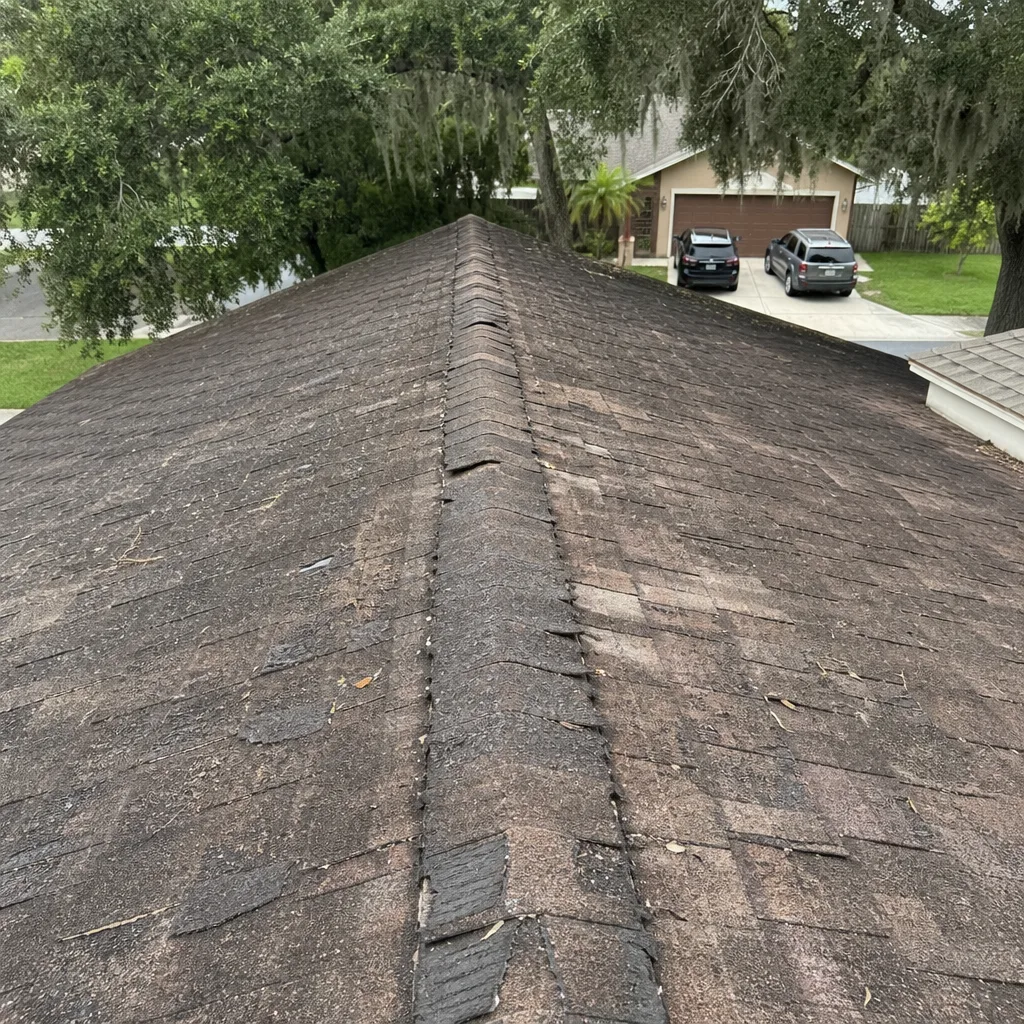 Before
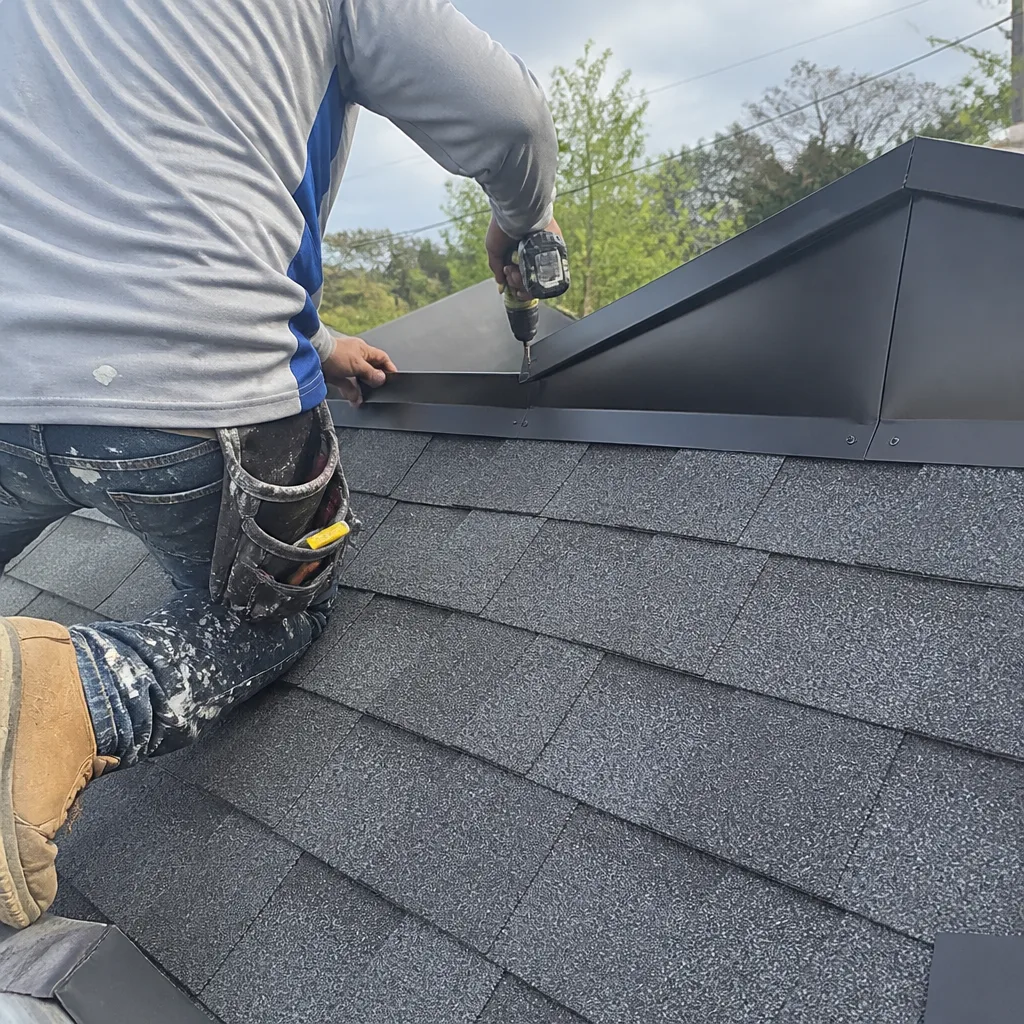 After
After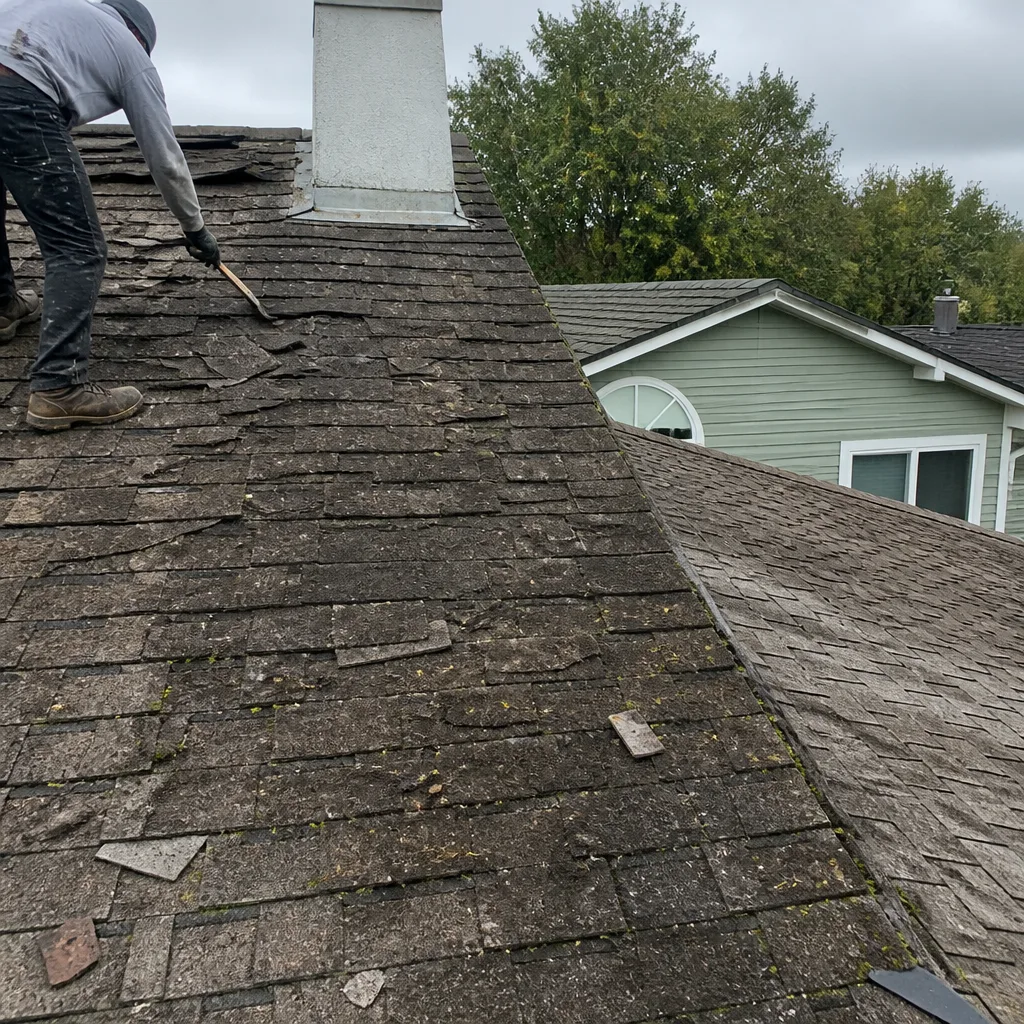 Before
 After
After Before
 After
After