
Last updated October 17, 2026
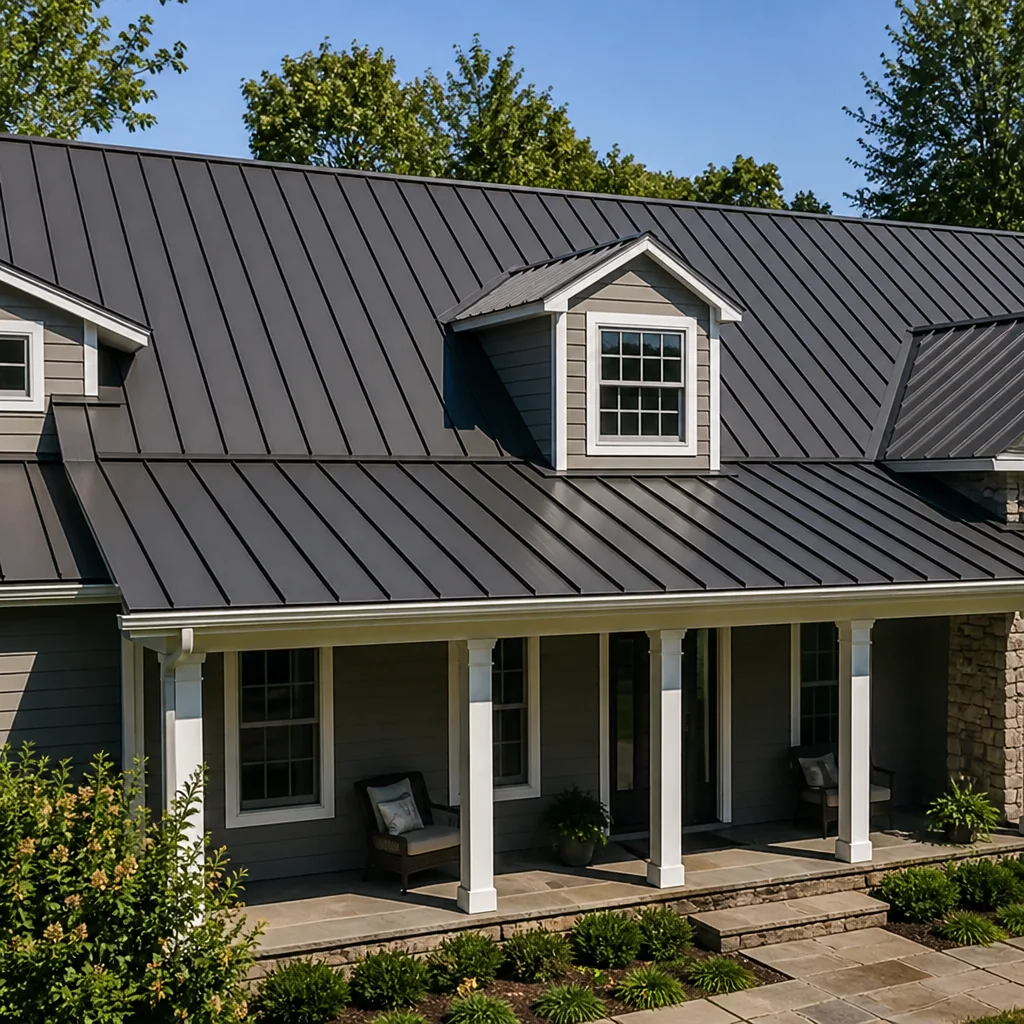 Metal roofing
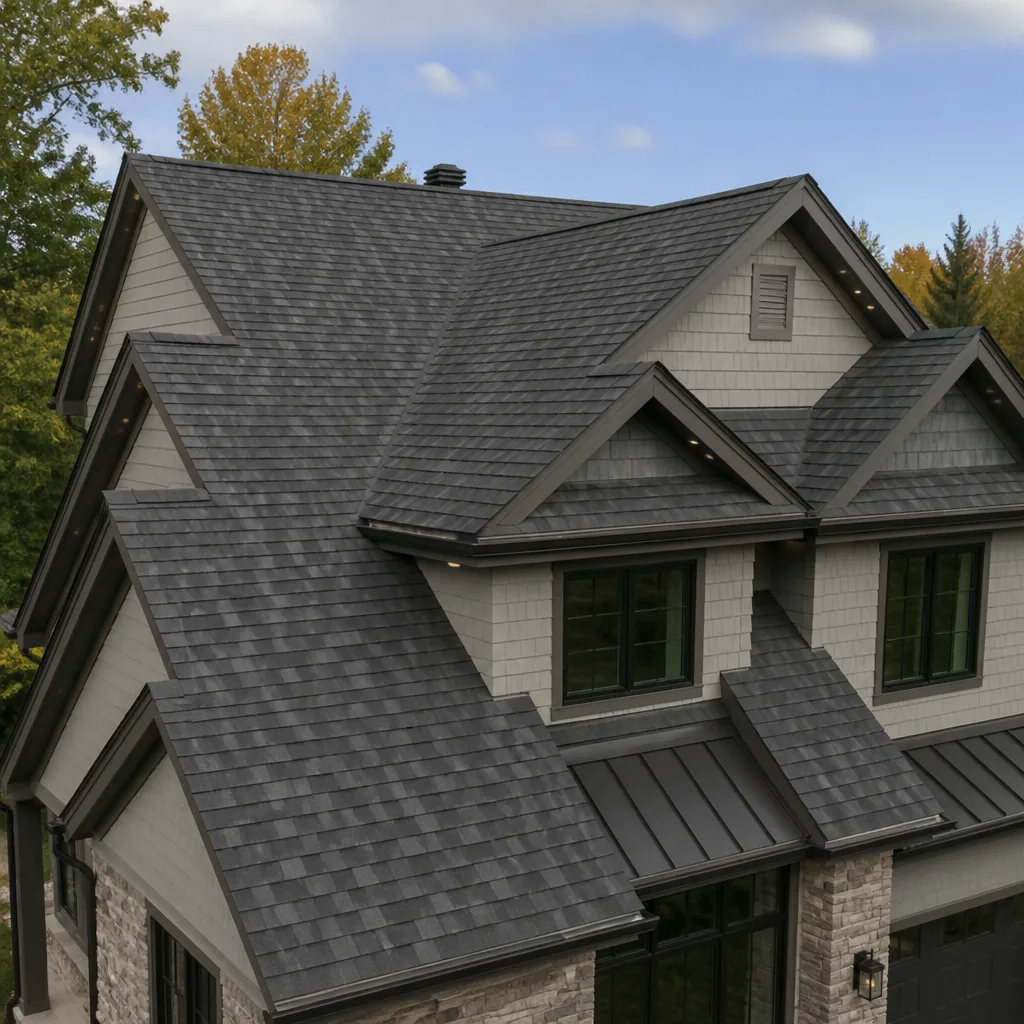 Architectural shingles
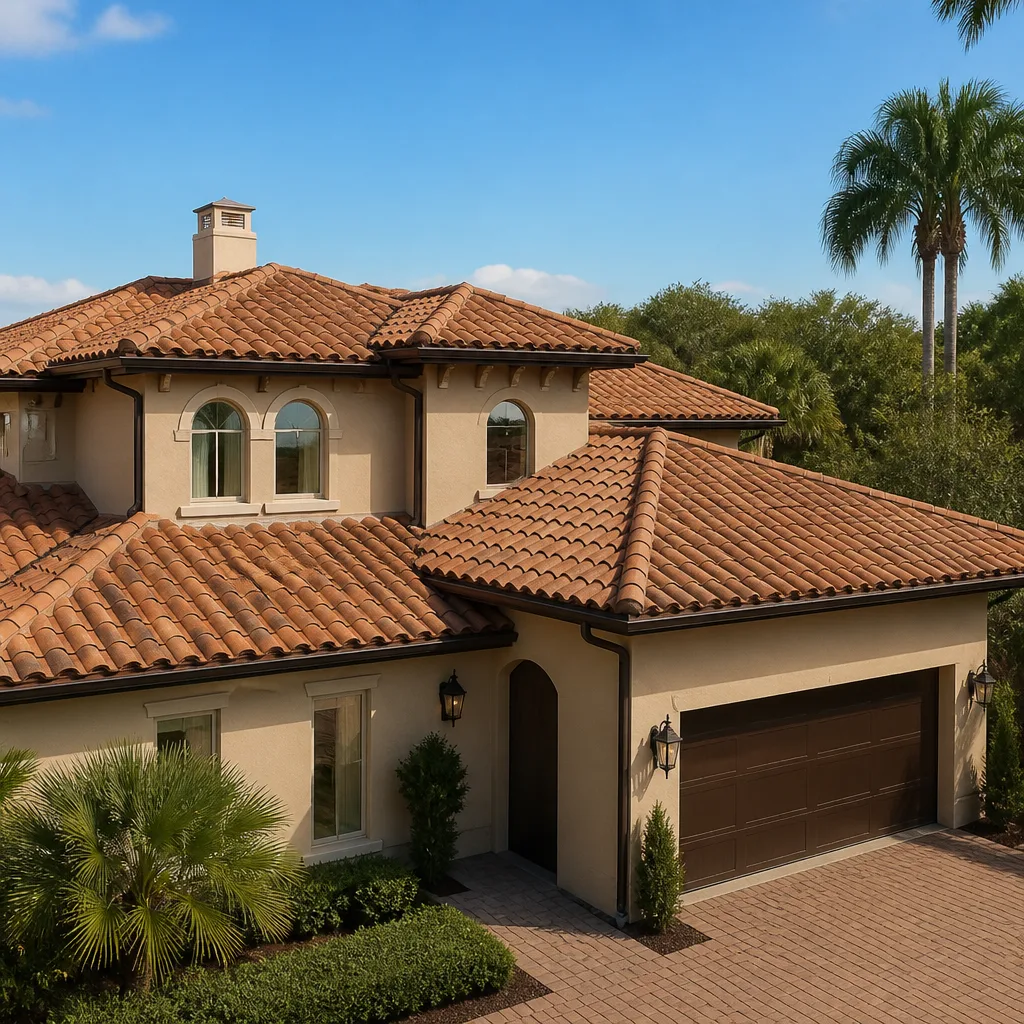 Tile roofing
 GAF
GAF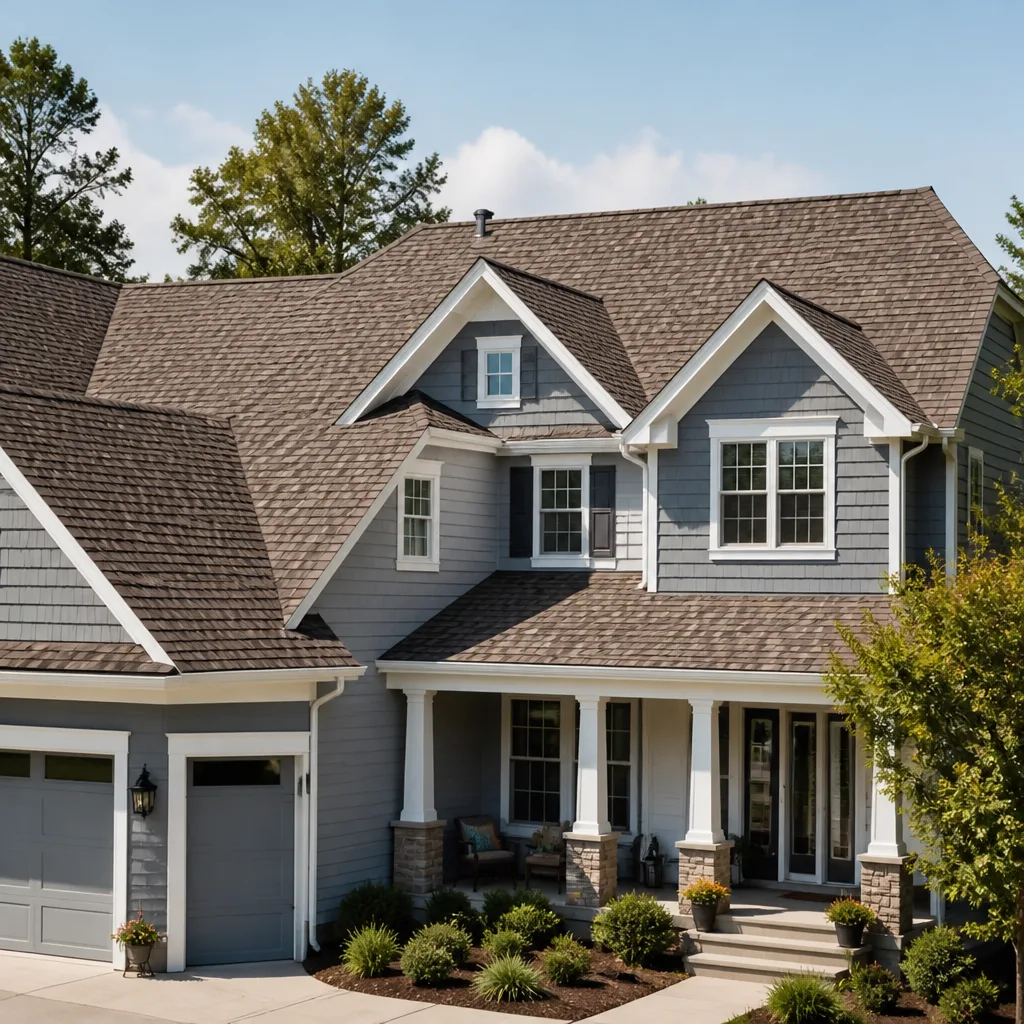 Owens Corning
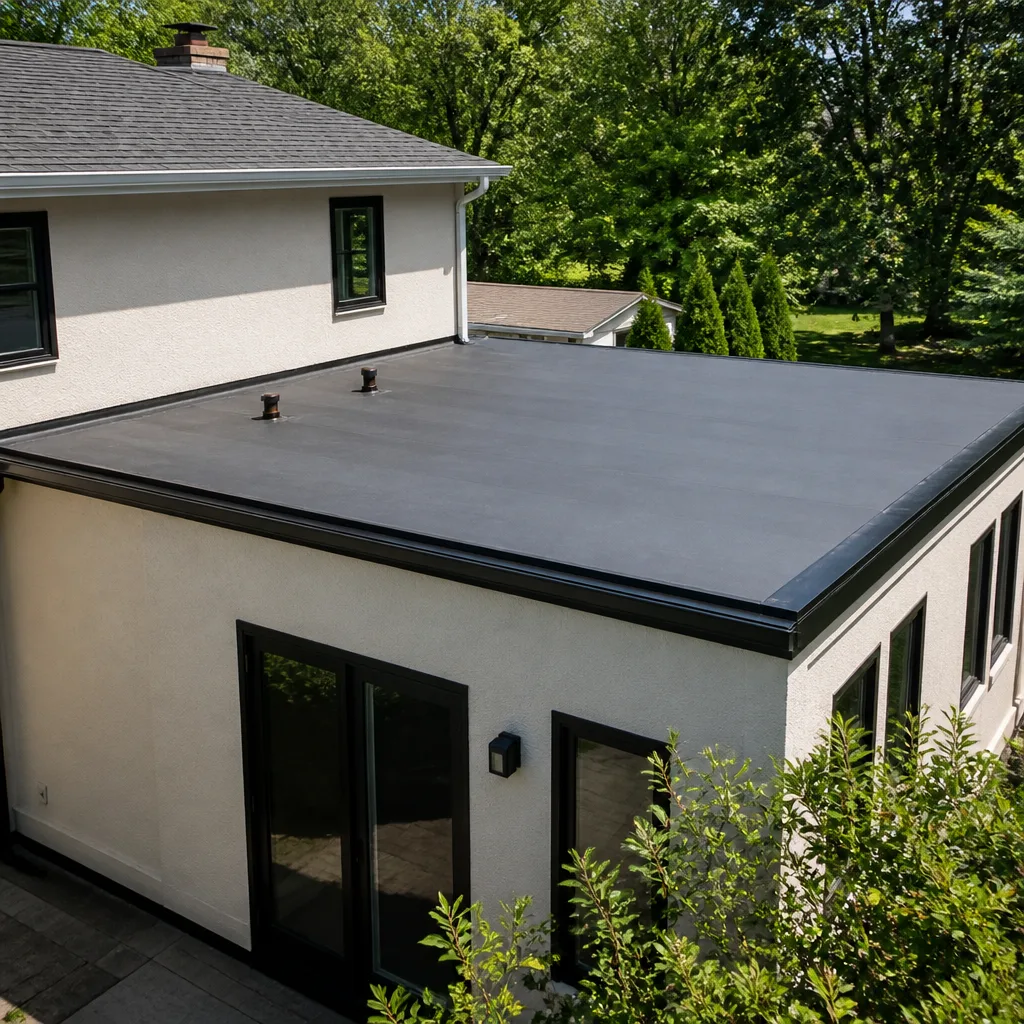 Flat & low-slope
Free roof inspection with deck photos before we talk money - GAF and Owens Corning certified installation
Seasonal Roofing Care for Tampa: Year-Round Homeowner’s Guide
Most seasonal roofing guides tell Tampa homeowners to “prepare for fall.” Tampa’s fall is November, and by then the storm season has already spent six months throwing everything it has at your roof. The calendar most homeowners use is backwards. Tampa doesn’t have four roofing seasons. It has two: the six-month storm season when your roof is under active attack, and the six-month window when you have the time and access to fix everything the storms revealed. This guide organizes the entire year around that rhythm so you know exactly what to do before June 1st and exactly what to assess after November 30th. We’re a Birchbark Roofing Tampa home team, and this is the guide we’ve built from years of climbing onto Tampa roofs in both seasons.
Styles & brands we work with
Quick Answer
Seasonal roof care in Tampa breaks into two windows: complete a full pre-storm-season inspection and repair sweep between March and May, then use the dry months from November through February for non-emergency repairs, documentation, and material upgrades. During the June-through-November storm season, the priority shifts to quick post-storm checks for lifted flashing, clogged valleys, and displaced ridge caps. Annual professional inspections in early spring and late fall, plus prompt attention to algae and UV damage, will extend a Tampa roof’s service life by years. For more on this topic, see The Complete Guide to Roofing in Tampa.
Table of Contents
- Tampa’s Two Roofing Seasons, Explained
- Pre-Storm-Season Prep: The March Through May Checklist
- Mid-Season Quick Checks: What to Do After a July or August Storm
- The Repair and Document Window: November Through February
- Tampa’s Dry-Season UV Problem: Which Materials Suffer Most
- Algae Management in Tampa’s Humidity: What Works, What Damages Shingles
- Gutters, Ventilation, and Attic Airflow: The Overlooked Tampa Roof Killers
- Common Mistakes to Avoid
- When to Call a Professional
- Frequently Asked Questions
- The Bottom Line
Tampa’s Two Roofing Seasons, Explained
Tampa’s climate doesn’t follow the four-season template that national roofing guides assume. The National Weather Service records show Tampa averages roughly 50 inches of rain annually, with more than 60 percent of it falling between June and September. Hurricane season officially runs June 1 through November 30, but Tampa’s afternoon thunderstorm pattern starts building in late May and doesn’t fully release until mid-October. What follows is a dry season stretch from December through April where rainfall drops sharply, humidity moderates, and daytime temperatures settle into the 70s. That dry window is the working window.
For a roof, the two seasons create two different sets of demands. During the storm season, water is the enemy. Water pools in clogged valleys, works under lifted flashing, and finds every micro-gap in sealant. During the dry season, the sun takes over. Tampa’s winter and spring UV index regularly hits 6 to 8, and clear skies mean shingles absorb direct radiation for months with no cloud cover. UV doesn’t cause dramatic sudden failures the way a storm does. It causes slow, cumulative degradation: granule loss, brittleness, curling, and micro-cracking around fasteners. A homeowner who only reacts to storms misses half the damage happening to their roof.
Understanding this rhythm changes how you budget and schedule. Storm-season emergency repairs are reactive and expensive. Dry-season repairs are planned and priced fairly. The homeowners who get the most life out of a Tampa roof are the ones who schedule work before June and after November, and treat the summer months as a monitoring period. That is the framework everything else in this guide hangs on.
For a deeper look at how Tampa’s climate shapes roofing decisions, see our full guide to choosing a roofing company in Tampa.
Pre-Storm-Season Prep: The March Through May Checklist
The single most valuable thing a Tampa homeowner can do for their roof happens between March and May: a complete pre-season inspection and repair sweep. By late February, the dry season has given you weeks of stable weather, and any damage from the previous summer has had time to reveal itself. A roof that goes into June with intact flashing, clear valleys, functioning ventilation, and clean gutters is dramatically less likely to fail when the first tropical system arrives. Here’s the checklist we work through on every roof repair in Tampa inspection during this window.
The Five-Point Pre-Season Checklist
- Flashing integrity at every penetration. Chimneys, vent pipes, skylights, and dormer transitions are where water gets in. Look for lifted edges, cracked sealant, rust spots, and gaps where flashing meets the wall or pipe boot.
- Soffit screens and intake airflow. Tampa’s humidity breeds mold fast, and a blocked soffit traps moist attic air. Remove debris from soffit screens, check for rust or tears, and verify air can actually move through the intake vents.
- Attic ventilation function. Tampa attic temperatures in August can exceed 130 degrees without proper ventilation. Verify ridge vents aren’t blocked, turbines spin freely, and powered vent fans cycle on a thermostat if installed.
- Gutter flow and downspout discharge. Gutters must carry water away from the foundation during heavy afternoon downpours. Check for sagging brackets, separated joints, leaf debris, and downspouts that discharge too close to the slab.
- Surface scan for granule loss and lifted shingles. From the ground, look for dark patches where granules are thinning, shingles that appear raised or curled at the edges, and any visible nail heads. Binoculars work fine; you don’t need a ladder.
This is also the window to schedule any repair that has been on your list since the previous fall. Contractors in Tampa are busiest during the storm season. In March and April, you get better scheduling flexibility and a written price before anyone climbs onto the roof. Birchbark Roofing Tampa provides a written price in dollars before any work starts, always included, never optional. Most residential roof repairs in this scope run between $350 and $1,800 depending on what the inspection reveals; you’ll see your exact number in writing before we start.
One Tampa-specific note: March and April are when the lovebugs arrive. They do not damage roofs directly, but they clog gutters, soffit screens, and downspout openings. If your pre-season sweep happens during a lovebug bloom, check screens again in early May before the first big storm.
Mid-Season Quick Checks: What to Do After a July or August Storm
Tampa’s summer storm pattern is predictable: afternoon heat builds, a thunderstorm forms inland, and it moves toward the coast with heavy rain, gusty winds, and frequent lightning. Most of these storms pass in under an hour. Some do not. After any storm with sustained winds over 40 mph or hail of any size, a quick five-minute check from the ground can catch minor damage before it becomes a leak.
None of these checks require going onto the roof. A fall from a two-story Tampa home is a serious injury, and wet shingles are slippery. Stay on the ground, use binoculars, and walk the perimeter.
Five-Minute Post-Storm Ground Check
- Scan the ridge line. Look for ridge caps that are missing, shifted, or sitting at an angle. Ridge caps are the first shingles to lift in high wind.
- Check valleys for debris dams. Tampa’s biggest storm risk is not wind. It is water volume. A valley clogged with palm fronds or oak leaves redirects water under shingles.
- Look at the flashing around vents and pipes. Wind-driven rain pushes water sideways. Flashing that was fine in a vertical rain can fail in a tropical downpour.
- Inspect the drip edge and fascia. Look for detached metal, lifted shingle edges along the roofline, or new staining on the fascia boards.
- Walk the attic if accessible. After the storm passes, take a flashlight into the attic and look for wet insulation, water staining on the underside of the roof deck, or drips around plumbing vents.
What do you do if you find something? Document it with your phone camera. Take photos from multiple angles, including wide shots that show where the damage sits on the roof. If the damage is active and water is coming in, call a roofer. Every Tampa roofing crew handles emergency calls during the storm season, and scheduling fills fast after a big storm. A live person answers calls at Birchbark Roofing Tampa 24 hours a day, 7 days a week, including nights and weekends.
If the damage is small and not actively leaking, you can wait. Florida’s building code does not require immediate repair of cosmetic damage. But do not wait months. A small lifted shingle in August becomes a leak by September when the next tropical system sits over Tampa for three days.
The Repair and Document Window: November Through February
November 30 is the last official day of hurricane season, and the first day of what we call the repair and document window. This stretch from December through February is the best time all year to schedule non-emergency roof work in Tampa. The weather is dry, temperatures are mild, and crews can work steadily without afternoon thunderstorm interruptions. For a homeowner, that means faster completion and fewer weather delays.
This window has three jobs: repair, replace, and document. First, address the damage the previous storm season exposed. That lifted shingle from August? Now is the time to fix it. The valley that clogged during the September tropical system? Clear it and inspect what sat under the debris. The small drip that started near the chimney in October? Fix it before it becomes a bigger leak. Every storm season leaves a punch list, and the dry season is when you clear it.
Second, if your roof is approaching the end of its service life, this is the season for a full roof replacement in Tampa. Tampa’s asphalt shingle roofs typically last 15 to 20 years depending on material quality, attic ventilation, and storm exposure. A roof installed during the dry season benefits from weeks of stable weather while underlayment, flashing, and shingles all seal properly. If you’re planning a replacement, start getting written estimates in January or February. Contractors have availability, and you have time to compare line items without storm pressure.
Third, document everything. Tampa homeowners who maintain a dated photo record of their roof’s condition before and after each storm season have a much easier insurance conversation if a future claim becomes necessary. Take wide-angle photos of each roof plane in November, after the storm season ends, and again in May before the next one starts. Store them in a folder on your phone’s cloud backup. This documentation habit costs nothing and can make the difference in a disputed claim.
Tampa’s Dry-Season UV Problem: Which Materials Suffer Most
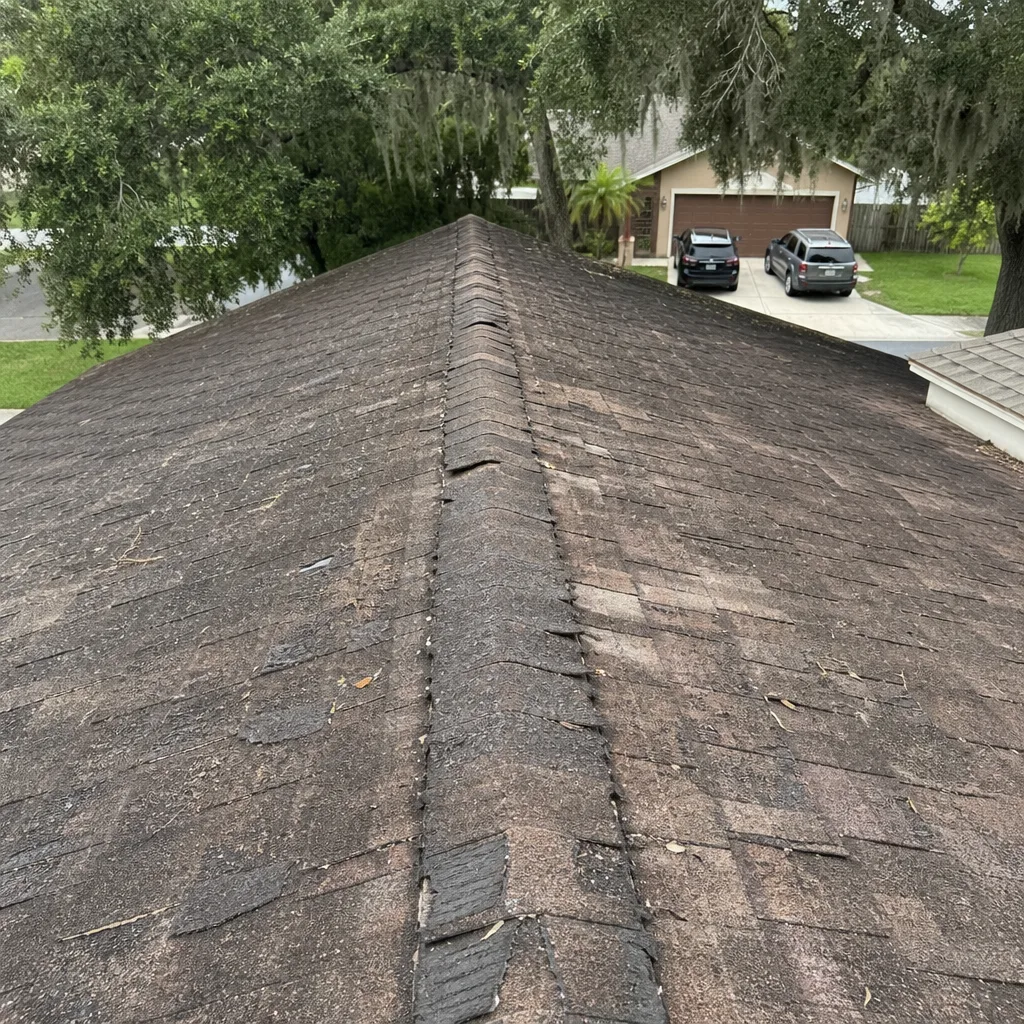
Here is the damage pattern we have seen repeat across Tampa roofs for years: a homeowner’s shingles look fine after the storm season, then start failing in March. Why? Because UV radiation during the dry season does not stop. Tampa’s December through April skies are clear enough that shingles absorb direct sunlight for hundreds of hours over those five months. UV breaks down the asphalt compounds that hold granules in place and keep shingles flexible. The result is granule loss, curling, cracking, and eventually leaks that appear in spring with no storm to blame.
Not all materials suffer equally. Standard three-tab asphalt shingles are the most UV-vulnerable product still on Tampa roofs. They have a thinner asphalt layer, fewer granules per square foot, and a flat profile that exposes more surface area to direct sun. Architectural shingles hold up better because their dimensional profile creates shade variation and they carry more granules. Materials from Owens Corning and IKO both offer architectural lines with strong UV-resistant granule formulations, and we work with those brands regularly. Tile and metal roofs hold up best against UV, but they carry their own maintenance needs.
What does UV damage look like from the ground? Watch for three specific signs during the dry season. First, granules accumulating in gutters and at downspout discharge points. Some granule loss is normal; a steady accumulation in dry weather is not. Second, shingles that appear shiny or reflective. That is the asphalt layer showing through where granules have worn away. Third, edges that curl upward. Heat makes the asphalt soft, and repeated heating and cooling cycles curl the corners.
The fix for UV damage depends on how advanced it is. Early-stage granule loss needs monitoring and a protective coating in some cases. Mid-stage curling needs targeted shingle replacement. Advanced brittleness across multiple roof planes means replacement. The only way to know where your roof sits is a professional inspection during the dry season, when the damage is most visible.
Algae Management in Tampa’s Humidity: What Works, What Damages Shingles
Tampa’s humidity creates ideal conditions for gloeocapsa magma, the blue-green algae that produces the black streaks you see on roofs across Hillsborough County. The algae itself does not damage shingles. It feeds on the limestone filler in the asphalt, and the black staining it produces is cosmetic. But the staining absorbs heat, which accelerates UV damage to the shingles underneath, and it spreads fast. Left untreated for years, an algae-stained roof can look 10 years older than its actual age.
What Works
- Zinc or copper strips near the ridge. When rain washes over the metal, it releases ions that inhibit algae growth. This is a long-term, passive solution that works well on new roofs.
- Algae-resistant shingles. Several manufacturers, including Atlas and Tamko, produce shingles with copper-infused granules that prevent algae from establishing. We work with materials from both brands.
- Professional soft-wash cleaning. A low-pressure application of a diluted bleach or sodium hypochlorite solution kills the algae without damaging shingles. Done correctly, results last two to three years.
What Damages Shingles
- High-pressure power washing. This is the number one DIY algae removal mistake in Tampa. A pressure washer strips granules off shingles and voids the manufacturer’s warranty. Never pressure wash an asphalt shingle roof.
- Undiluted bleach. Straight bleach damages asphalt, corrodes flashing, and runs off onto landscaping below the roofline. Any chemical application must be diluted and rinsed carefully.
- Chlorine-based cleaners without proper rinsing. These are effective against algae but toxic to plants and dangerous to pets if runoff pools near the foundation.
Here is the pet angle, because we know Tampa families with dogs and cats think about this. The algae treatments most contractors use are chlorine-based, and chlorine runoff is dangerous to pets if they drink from puddles near downspouts after a cleaning. Ask your contractor what they use and how they handle runoff. We use pet-safe product choices where there’s a choice, and we coordinate the door schedule with you if the dog needs to stay inside during the work. Birchbark is the original birch bark, by the way, the first roofing material that was light, tough, and made to shed water. We take the pet care obligation seriously as part of the same careful approach.
Gutters, Ventilation, and Attic Airflow: The Overlooked Tampa Roof Killers
Most Tampa homeowners think of their roof as shingles, flashing, and underlayment. But the fastest way to shorten a roof’s life in this climate is to ignore the systems that keep it dry and cool from the underside. Gutters move water away. Ventilation moves heat and moisture out. When either fails, the roof above pays for it.
Gutters in Tampa deal with two things most of the country never sees: intense afternoon rainfall rates and constant biological debris. Oak leaves, palm fronds, pine needles, lovebugs, and neighborhood birds all contribute to clogs. A clogged gutter overflows, and overflow runs down the fascia, behind the drip edge, and into the soffit. Over time, that trapped water rots the fascia, rusts the drip edge, and wicks up into the roof deck. We have opened soffits on Tampa homes and found years of accumulated wet insulation because a gutter was clogged for one season. The fix is boring but essential: clean gutters at least twice a year, in May before storm season and in November after it.
Attic ventilation is the other silent killer. Tampa attics without adequate airflow reach 130 to 140 degrees in the summer. That heat bakes shingles from underneath, accelerating granule loss and curling. It also raises indoor cooling costs, because a hot attic radiates heat into the living space below. Proper ventilation means balanced intake and exhaust: soffit vents bring air in at the eaves, and ridge vents or turbines let it out at the peak. If your attic has insulation pushed against the roof deck, blocking the soffit intakes, the system fails even if the vents themselves are fine.
- Clear soffit screens in May and November. Remove debris with a soft brush or vacuum attachment.
- Verify attic insulation is pulled back from the soffit intakes. A two-inch gap is enough for airflow.
- Check ridge vents for blockage. Leaves and pine needles can clog external ridge vents. Remove carefully.
- Test powered vent fans in March. Make sure thermostats engage before the summer heat arrives.
Common Mistakes to Avoid
- Waiting until a leak appears to call a roofer. By the time water shows up on your ceiling, the damage is already done. Water travels sideways through roof systems, and the entry point is rarely directly above the stain.
- Power washing shingles to remove algae. This strips granules, voids manufacturer warranties from brands like Owens Corning and IKO, and shortens roof life by years.
- Ignoring gutter maintenance during the dry season. Gutters clog with debris all year in Tampa, even when it’s not raining. Clean them in May and November, not just when they overflow.
- Doing your pre-season roof check in January and calling it done. A lot changes between January and June. The pre-storm-season sweep should happen in April or May, close enough to June 1 that the findings are still current.
- Pushing off non-emergency repairs until summer. You can get a roof repair in July, but you’ll pay storm-season pricing and wait in the queue. The November through February window is faster and cheaper.
- Forgetting to document roof condition with photos. If you don’t have dated photos of your roof before and after storm season, you’re giving your insurance company room to argue.
- Treating algae stains as a structural problem. Algae is cosmetic, but the fix matters. Choosing the wrong removal method causes structural damage. Soft wash, never pressure wash.
When to Call a Professional
Some roof tasks are safe and appropriate for a homeowner with binoculars and good observation habits. Others require a trained professional with the right equipment, insurance, and experience. If you’re weighing whether to DIY, read our DIY vs Professional Roofing: The Tampa Homeowner’s Decision Guide. Call a roofer when you see active water intrusion in the attic or ceiling, when multiple shingles are missing or lifted after a storm, when flashing at a chimney or skylight has visible gaps, or when granule loss is widespread across multiple roof planes. Also call if you’re unsure what you’re looking at. A professional inspection costs less than a missed leak. Birchbark Roofing Tampa offers free estimates for Tampa homeowners. Call (850) 600-8577 and we’ll schedule a time that works for your family.
Frequently Asked Questions
Twice a year is ideal in Tampa’s two-season climate. Schedule a professional inspection in April or May before storm season starts, and another in November or December after it ends. The pre-season inspection catches vulnerabilities before they fail. The post-season inspection catches damage before it worsens. Between inspections, do the five-minute ground checks after severe storms.
Most residential roof repairs in Tampa fall between $350 and $1,800 depending on the type of damage, roof pitch, and materials needed. Small flashing repairs run $350 to $650. Shingle replacement on a small section runs $500 to $1,200. Valley or underlayment work runs higher. Exact pricing always comes in writing before work begins. Call (850) 600-8577 for a free estimate on your specific situation.
Yes. Wind-driven rain can find gaps that a normal vertical rain never touches. A roof that is functionally sound can still develop a leak during a 60-mph gust with horizontal rain. The most common failure point on newer Tampa roofs is flashing at pipe boots and chimney transitions, not the shingles themselves. A post-storm ground check catches these issues early.
UV damage develops gradually and shows up as shingle curling, granule loss in dry weather, and a shiny appearance on shingle surfaces. Storm damage is sudden and localized: lifted shingles, dents from hail, debris impacts. UV damage worsens through the dry season. Storm damage happens in one afternoon. Both require professional assessment, but UV damage is more predictable and easier to schedule around.
Algae is not structurally dangerous, but it accelerates shingle aging because the dark staining absorbs heat. The black streaks you see on Tampa roofs are gloeocapsa magma, a blue-green algae that feeds on limestone filler in asphalt shingles. It spreads through spores and will eventually cover the entire roof plane if untreated. Professional soft washing or algae-resistant shingles from brands like Atlas and Tamko are the standard solutions.
November through February offers stable weather, moderate temperatures, and fewer scheduling conflicts. Roof work requires dry conditions for underlayment and sealant to bond properly. During the summer storm season, afternoon thunderstorms interrupt work and extend timelines. Schedule non-emergency repairs and replacements during the dry season, and reserve summer for monitoring and quick fixes.
The Bottom Line
Tampa roofing care is a rhythm, not a random set of tasks. Before June 1st, run the five-point pre-season checklist and fix everything that looks vulnerable. After November 30th, schedule the repairs the storms revealed and document the condition of every roof plane. In between, do quick ground checks after severe storms and leave the ladder in the garage. Pay attention to UV during the dry season, manage algae with pet-safe methods, and never let gutters or ventilation slide. The homeowners who follow this rhythm get more years from their roofs and fewer surprises from Tampa’s weather. That’s the whole point of seasonal roofing care in Tampa: work with the climate, not against it. Explore our more guides & resources for year-round roof maintenance tips.
Written by Erik Lindgren, Owner at Birchbark Roofing Tampa, serving Tampa since 2000.
See the difference
 Before
 After
After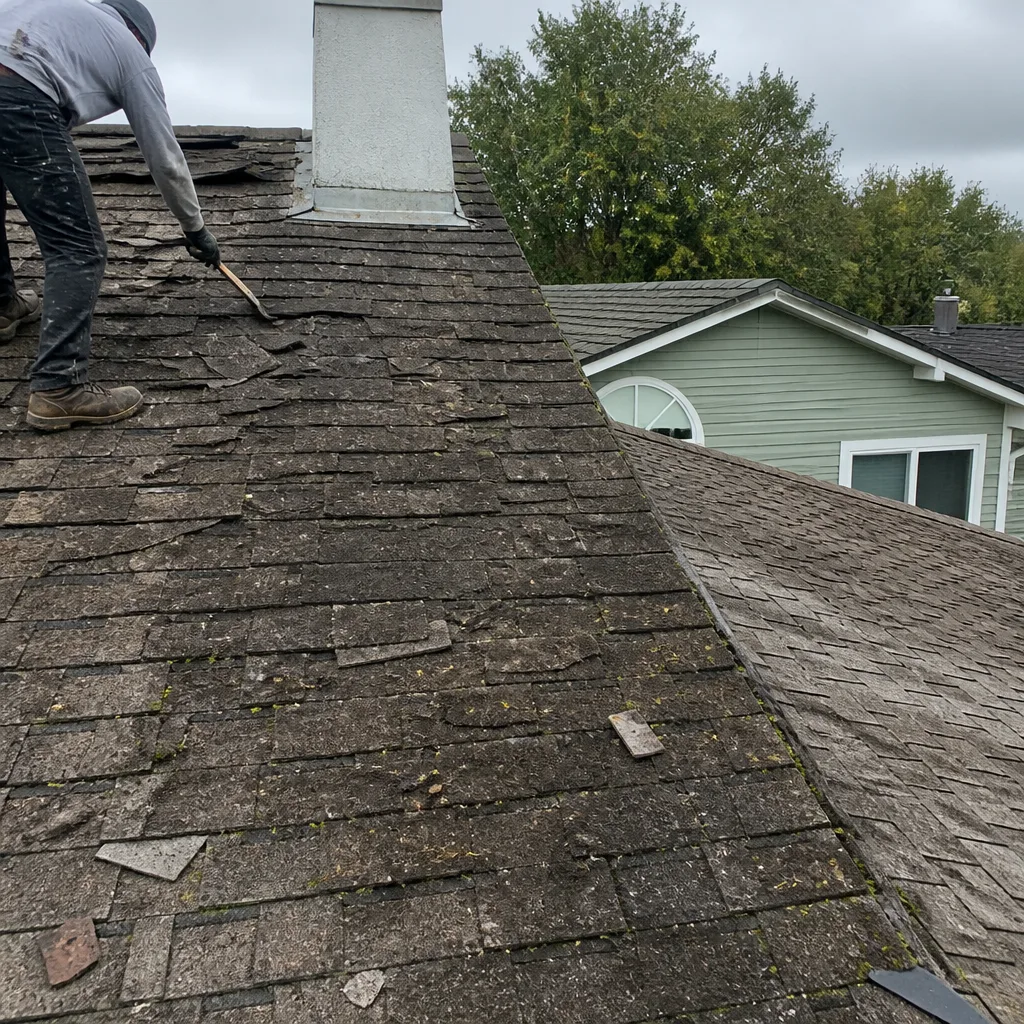 Before
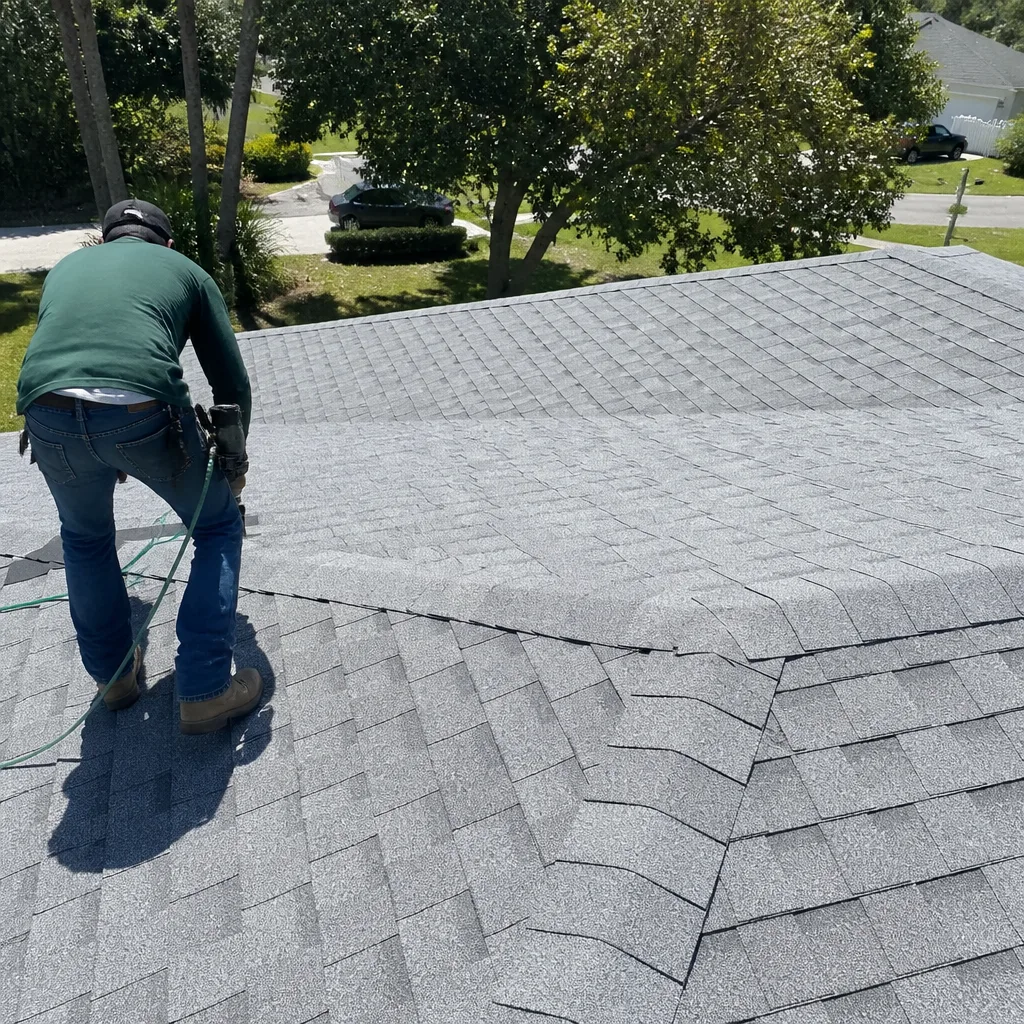 After
After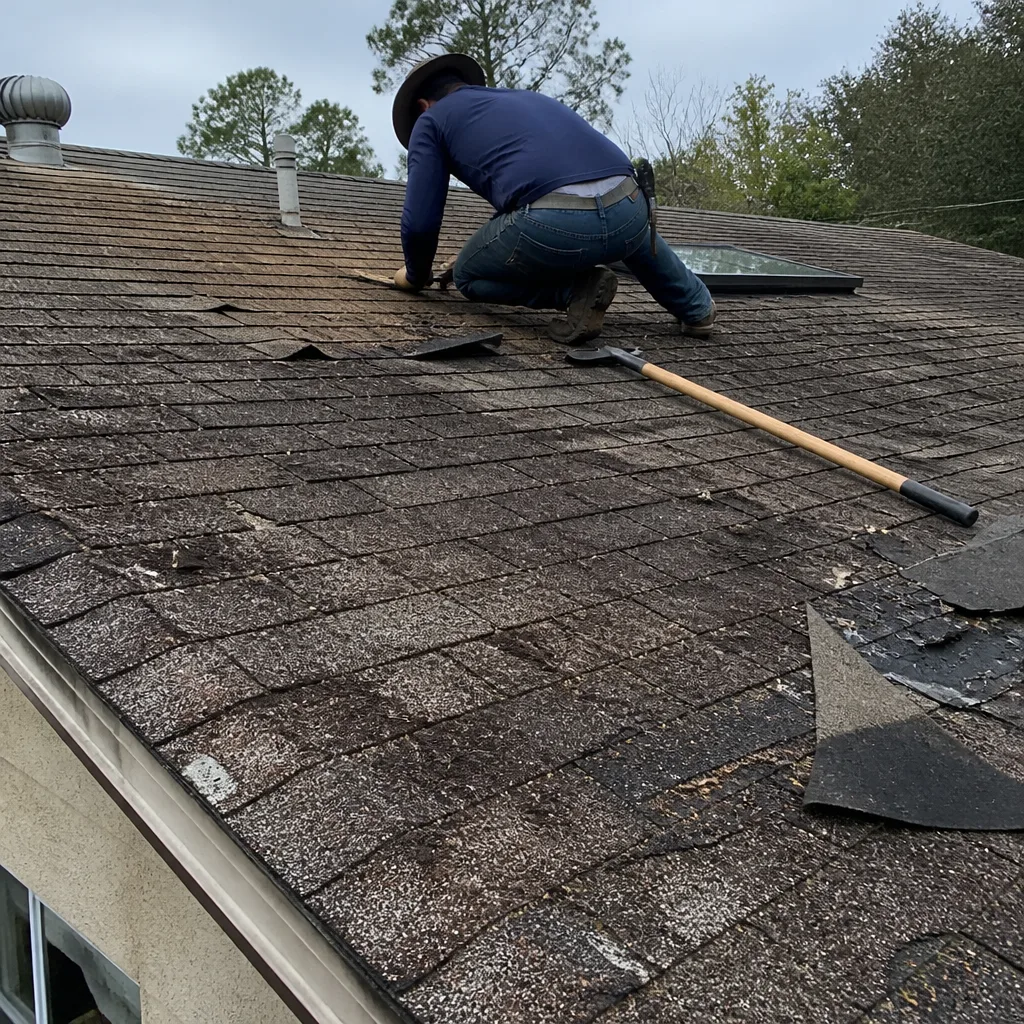 Before
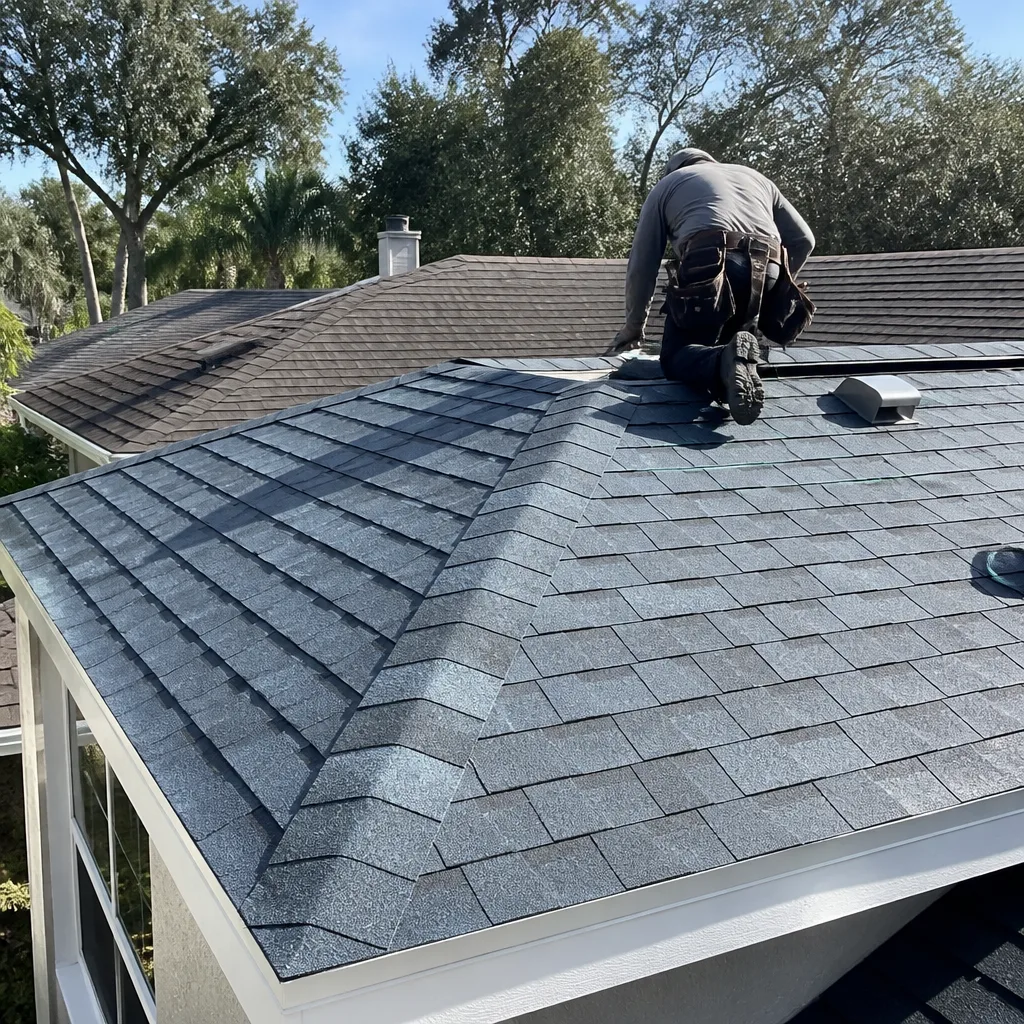 After
After